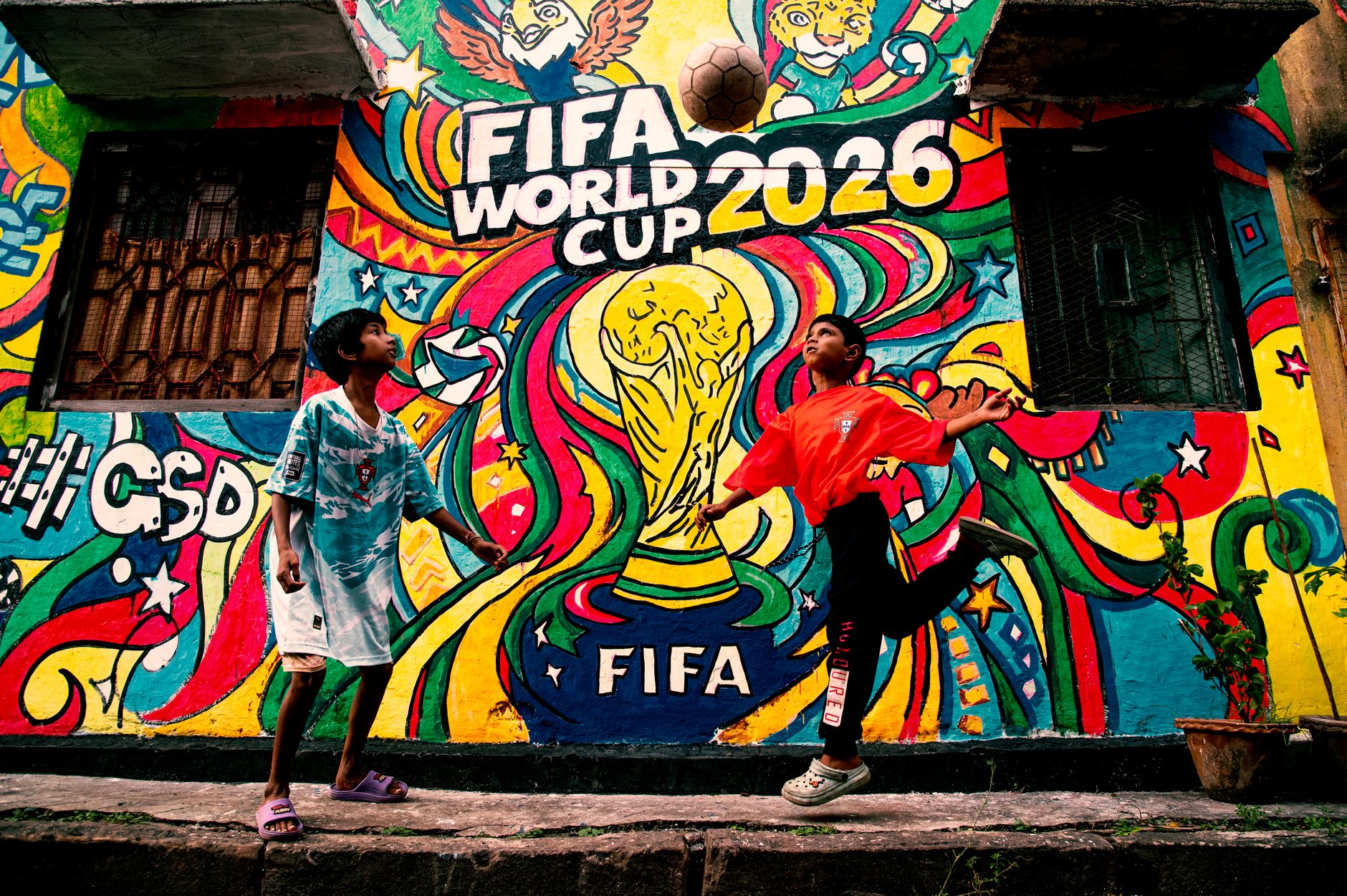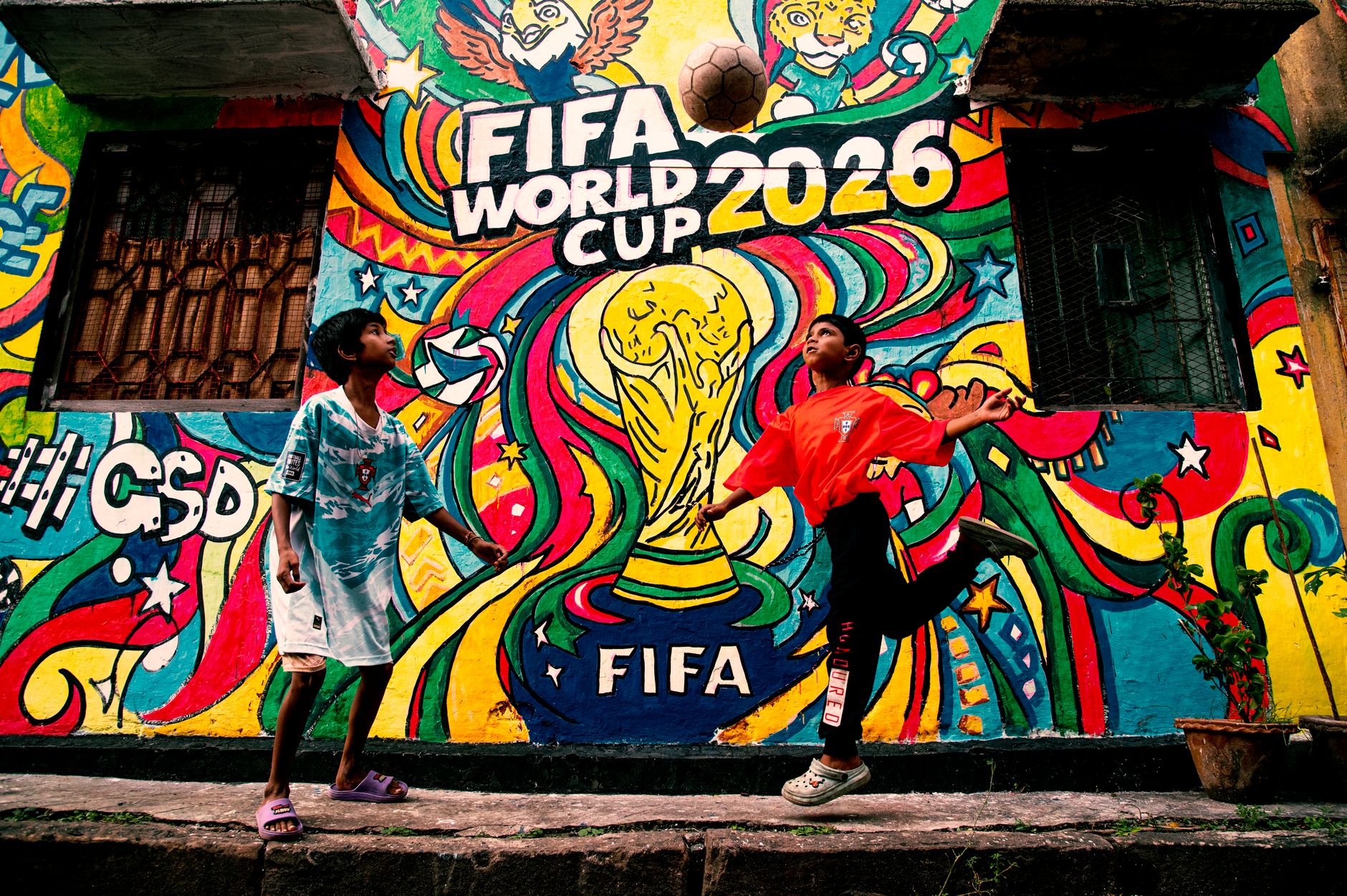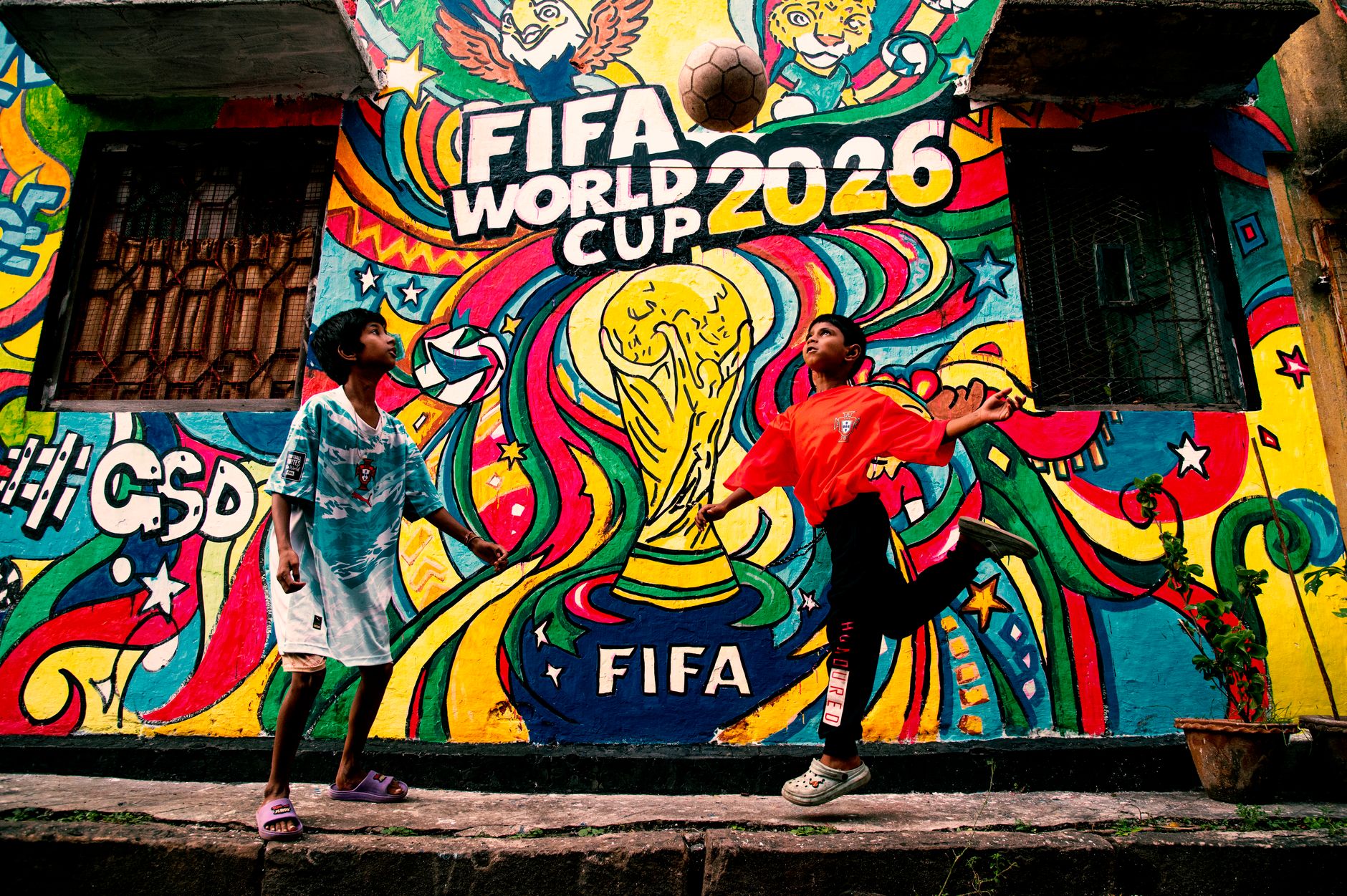
Zee Entertainment Enterprises Limited has emerged as the official broadcaster for the FIFA World Cup 2026 in India, signaling a major shift in the country's sports broadcasting landscape. This landmark agreement positions Zee to deliver one of the world's most-watched sporting events to millions of Indian football fans across television and digital platforms.
What This Deal Means for Indian Football Fans
The 2026 FIFA World Cup will be the first edition to feature 48 teams, expanded from the traditional 32-team format. This expansion means more matches, more diversity in participating nations, and potentially greater representation from Asian football, which could boost interest among Indian audiences. The tournament will be co-hosted by the United States, Canada, and Mexico, making it the first World Cup to span three countries.
For Indian viewers, this deal ensures comprehensive coverage of all matches, including pre-game analysis, post-match discussions, and exclusive content around the tournament. Zee Entertainment's multi-platform approach means fans will likely access content through traditional television channels as well as digital streaming services, catering to both conventional viewers and the growing segment of mobile-first consumers.
Zee's Growing Sports Portfolio
This acquisition represents Zee Entertainment's continued investment in sports content, an area that has seen increasing competition among Indian broadcasters. Sports programming, particularly cricket and football, commands premium advertising rates and helps networks build loyal viewer bases. The FIFA World Cup, being a global mega-event with viewership in billions, offers exceptional value for broadcasters willing to invest in rights fees.
The company has been strategically expanding beyond its traditional stronghold in entertainment programming. Sports content provides appointment viewing that drives both linear television ratings and digital platform subscriptions. The World Cup, occurring once every four years, creates a unique opportunity for networks to capture audiences who might not regularly engage with football content.
Financial Implications and Investment
Broadcasting rights for FIFA World Cup tournaments typically command substantial fees, reflecting the tournament's unparalleled global reach. While specific financial terms of the deal have not been publicly disclosed, such agreements usually involve significant upfront costs that broadcasters aim to recover through advertising revenue, subscription fees, and sponsorship deals.
For Zee Entertainment, this investment comes at a time when the company is navigating a competitive media landscape. The rights acquisition demonstrates confidence in the growing popularity of football in India, where the sport has traditionally played second fiddle to cricket but has been gaining ground, especially among urban and younger demographics.
Impact on India's Football Culture
India's relationship with football has been evolving. While cricket remains the dominant sport, football viewership has grown substantially over the past decade, driven by increased access to international leagues through streaming platforms and the rise of the Indian Super League. The FIFA World Cup represents the pinnacle of football competition, and widespread accessibility through a major broadcaster like Zee could further accelerate football's growth in the country.
The 2026 tournament's timing and expanded format may particularly benefit Indian audiences. More matches mean more opportunities for Asian teams to participate and potentially advance in the tournament, creating storylines that resonate with regional audiences. Additionally, the time zone difference with North America, while challenging, is more manageable than previous tournaments held in Europe or South America.
Competition in Sports Broadcasting
This deal occurs against the backdrop of intense competition for sports rights in India. Multiple players, including traditional broadcasters and digital-first platforms, have been aggressively bidding for marquee sporting properties. The FIFA World Cup represents one of the most prestigious rights packages available, comparable only to events like the Olympics and major cricket tournaments in terms of viewership potential.
Zee's successful bid positions the network as a serious player in sports broadcasting, potentially opening doors for additional sports rights acquisitions in the future. The company will need to execute comprehensive marketing and promotional campaigns to maximize the return on its investment and convert the World Cup's popularity into sustained engagement with its platforms beyond the tournament.
The 2026 FIFA World Cup promises to be a watershed moment for football broadcasting in India, with Zee Entertainment positioned to leverage this opportunity to strengthen its market position and serve the growing community of Indian football enthusiasts.