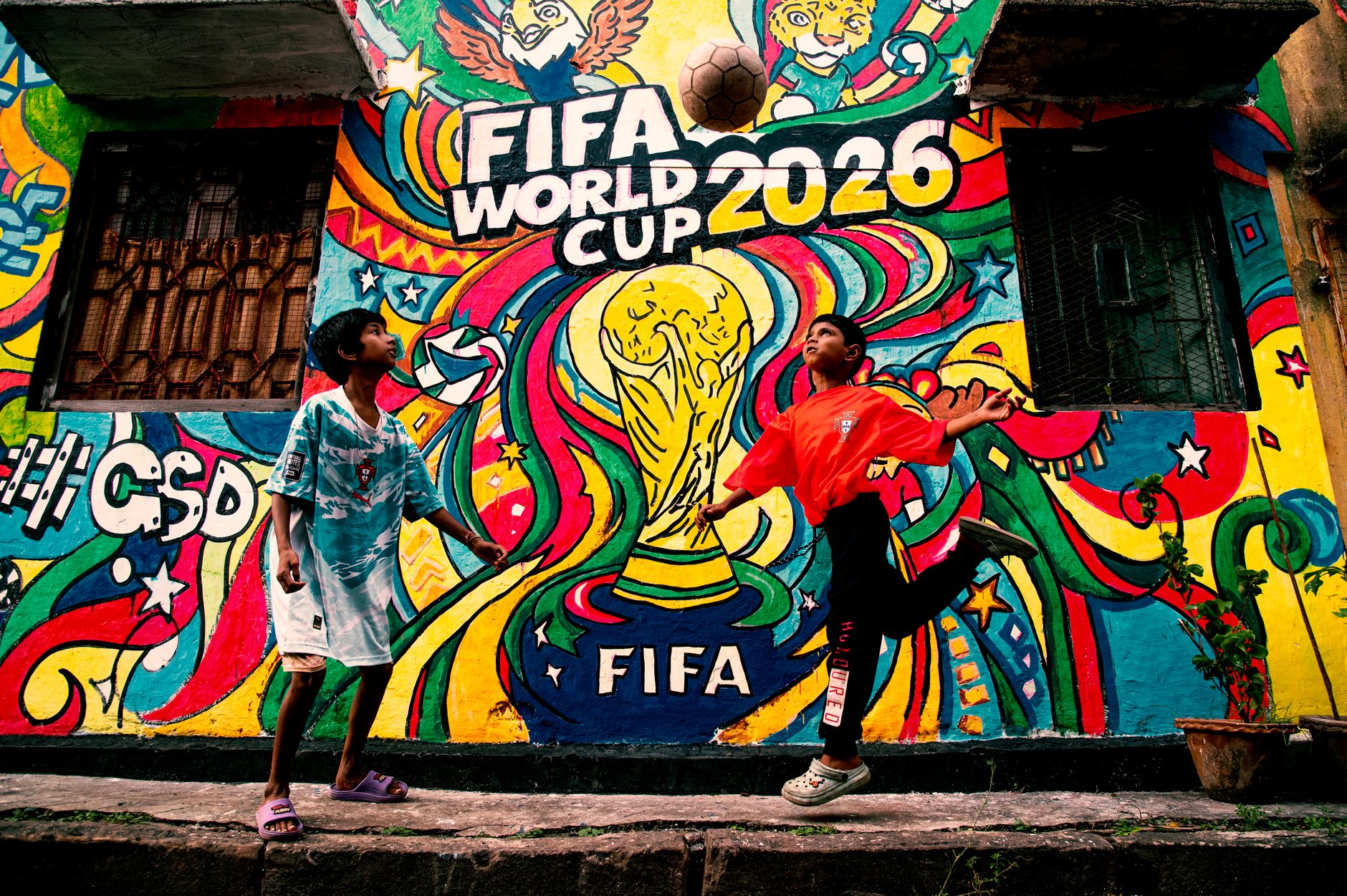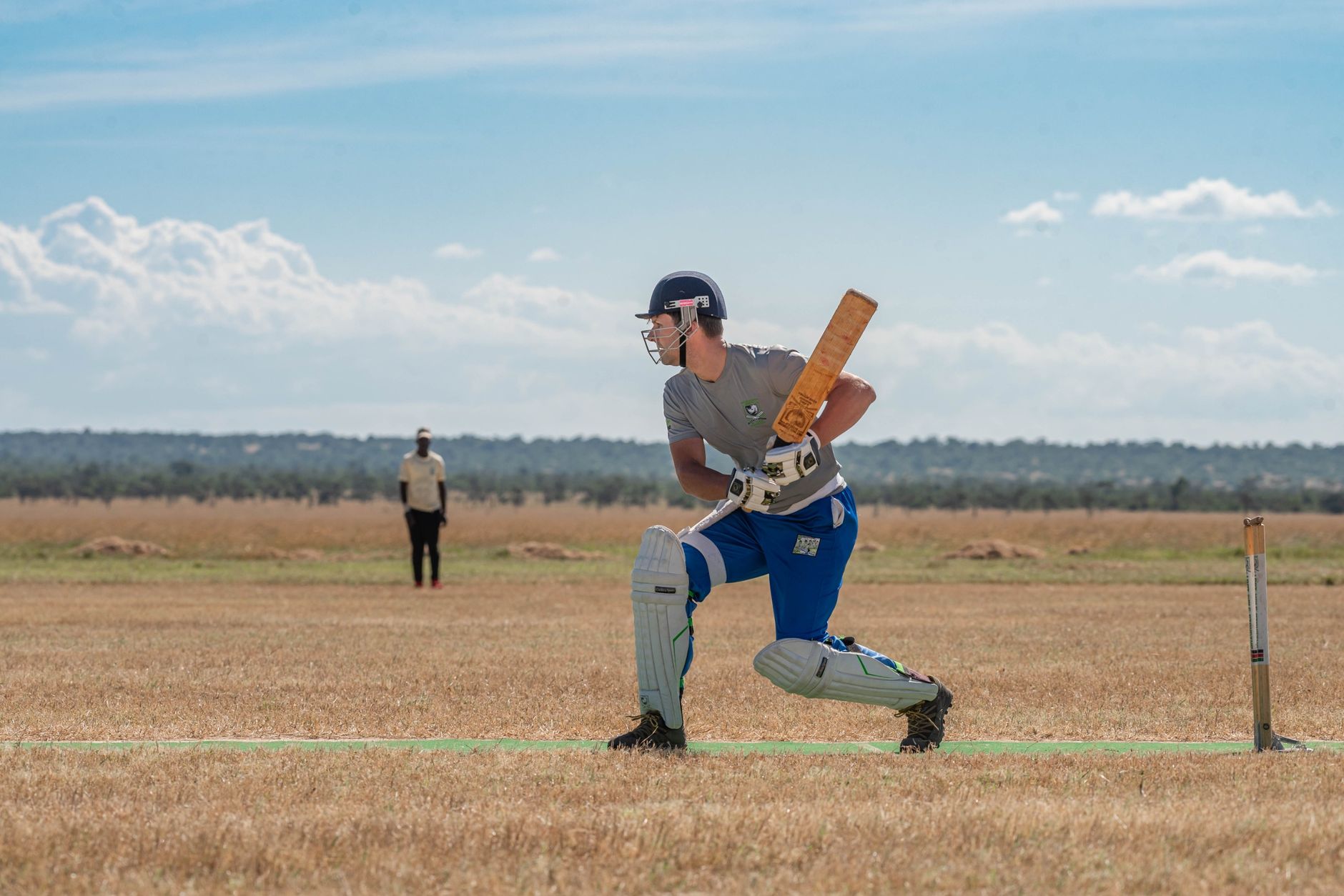
The International Cricket Council has responded to concerns about scheduling conflicts between major women's sporting events, asserting that the Women's T20 World Cup and FIFA Women's World Cup can both thrive even when held in close proximity on the sporting calendar.
This statement comes amid growing competition for audience attention and commercial revenue in women's sports, which has experienced unprecedented growth in recent years. The position taken by the ICC reflects confidence in cricket's unique appeal and the expanding capacity of global audiences to engage with multiple sporting spectacles.
The Growing Women's Sports Landscape
Women's sports have undergone a remarkable transformation over the past decade. Major tournaments that once struggled for broadcasting deals and sponsorship now command significant media rights fees and attract millions of viewers worldwide. The FIFA Women's World Cup has led this charge, with the 2023 tournament in Australia and New Zealand breaking attendance and viewership records.
Similarly, women's cricket has experienced substantial growth, particularly in T20 formats. The ICC Women's T20 World Cup has become a marquee event, drawing impressive crowds in host nations and securing enhanced television coverage across multiple continents. This rising tide has created both opportunities and challenges for sporting administrators seeking to maximise exposure and revenue.
The Case for Coexistence
The ICC's position rests on several key arguments. First, cricket and football appeal to different core audiences with some overlap but distinct geographical strongholds. Football dominates in Europe, South America, and parts of Africa, while cricket commands passionate followings across South Asia, Australia, and the Caribbean.
Second, the formats differ significantly in viewing patterns. A T20 cricket match lasts approximately three hours, while football matches are completed in roughly two hours including stoppages. This allows fans to potentially engage with both sports on the same day without excessive time commitment.
Third, the modern sports media landscape offers unprecedented flexibility. With streaming platforms, highlight packages, and time-shifted viewing, audiences are no longer constrained to watching events only during live broadcasts. This technological evolution enables dedicated fans to follow multiple sports simultaneously.
Scheduling Challenges and Solutions
Despite the optimistic outlook, practical challenges remain. Broadcasters must allocate limited prime-time slots and promotional resources between competing events. Sponsors seeking maximum return on investment may hesitate to split budgets across overlapping tournaments. Media coverage can become diluted when newsrooms must divide attention between simultaneous major events.
The solution, according to sporting administrators, lies in strategic coordination rather than strict separation. While deliberate head-to-head scheduling of marquee matches would be counterproductive, tournaments running in the same general period need not be problematic if key fixtures are staggered and promotional efforts are differentiated.
Regional Considerations
The coexistence argument carries particular weight when considering regional variations in sporting preferences. In India and Pakistan, cricket commands overwhelming attention regardless of what else occurs in the sporting world. Conversely, in nations like the United States, Brazil, or Germany, football reigns supreme.
This geographic diversity means that a Women's T20 World Cup match featuring India could dominate viewership across South Asia even during a FIFA Women's World Cup, while European audiences might prioritise football regardless of concurrent cricket action. The global sporting calendar can therefore accommodate both events without either suffering catastrophic audience losses.
Commercial Implications
From a commercial perspective, the expansion of women's sports presents opportunities that extend beyond zero-sum competition for viewers. Brands seeking to align with women's sports can engage across multiple properties, reaching diverse demographics through different sports. The growth of one women's tournament can create momentum that benefits others by normalising investment in women's sports generally.
Broadcasting networks, meanwhile, can leverage major events across different sports to build comprehensive women's sports packages that offer year-round content rather than isolated events. This approach can justify larger overall investments in women's sports broadcasting rights.
The Path Forward
The ICC's confidence in coexistence reflects a maturing women's sports ecosystem where multiple major properties can succeed simultaneously. This represents a significant shift from earlier eras when women's sports struggled for any mainstream attention and scheduling conflicts were hypothetical concerns rather than practical considerations.
As women's sports continue expanding their commercial footprint and cultural relevance, coordination between governing bodies will become increasingly important. The willingness to share the calendar rather than demand exclusive windows demonstrates a collective commitment to growing the entire women's sports sector rather than engaging in destructive competition for limited attention.