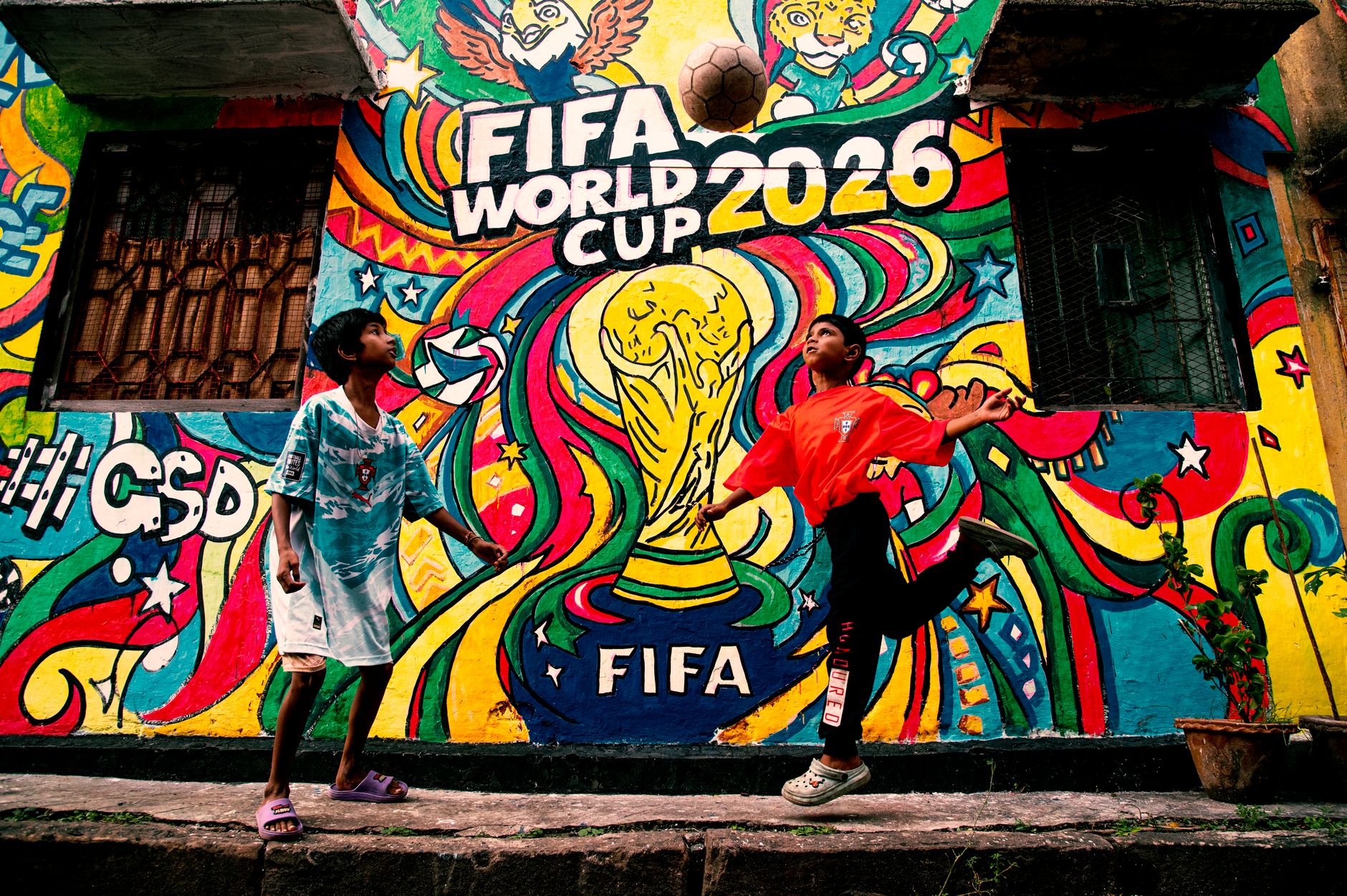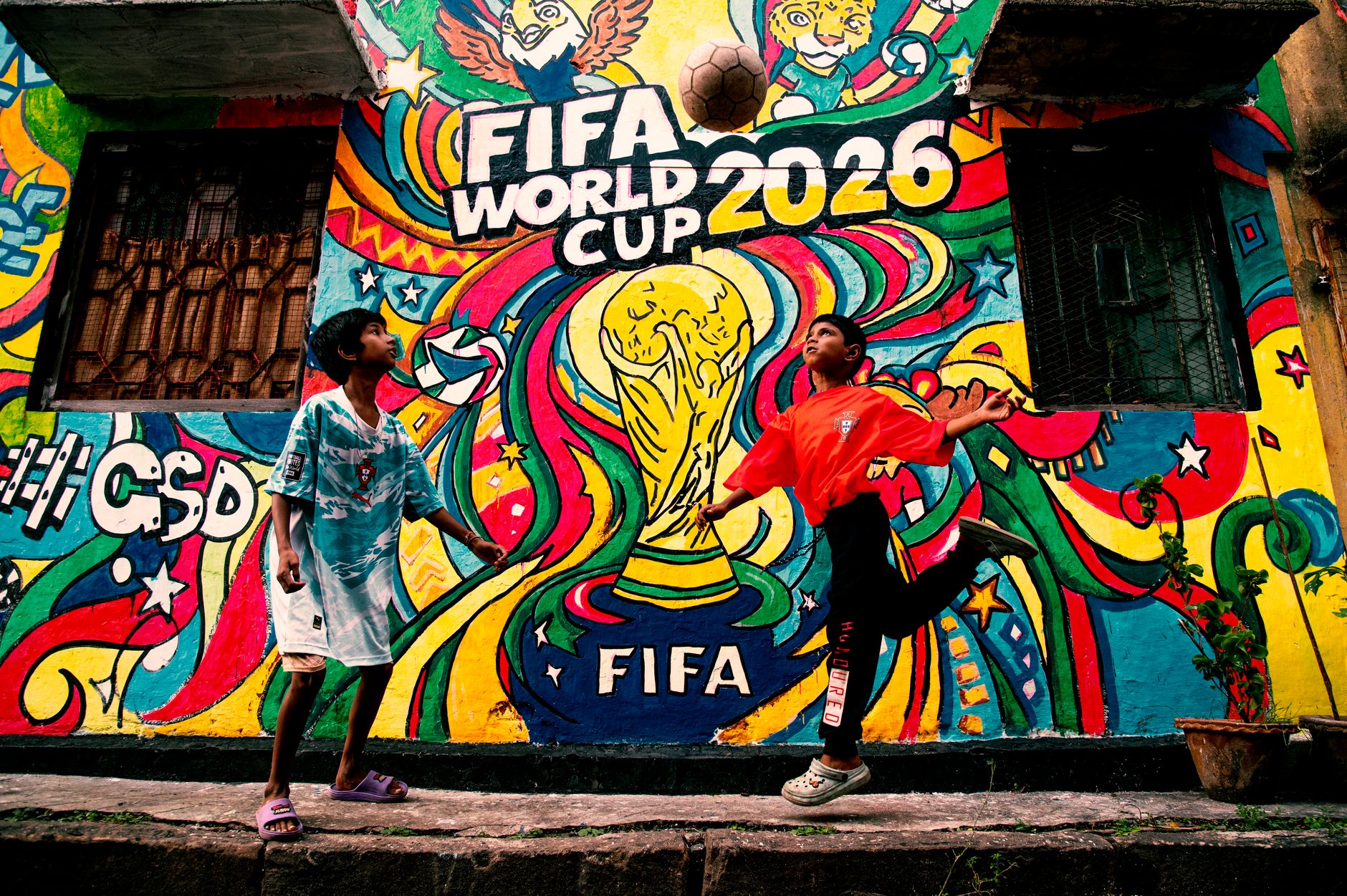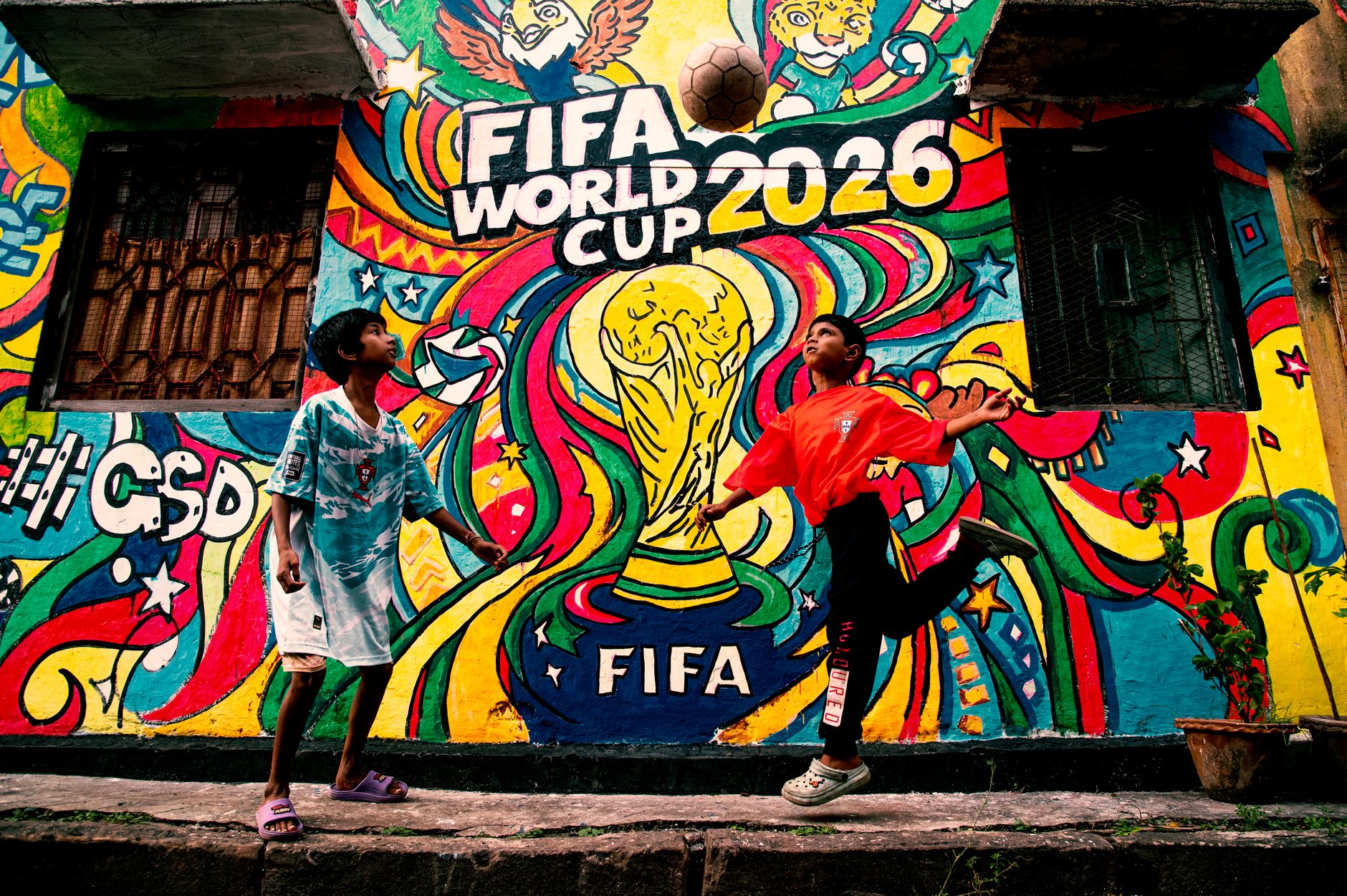
India has long been synonymous with cricket. The sport commands television ratings, drives advertising spends worth billions, and creates cultural moments that unite the nation. Yet, amid this cricketing fervour, FIFA—the international governing body of football—has been quietly building substantial relevance in what remains predominantly cricket country.
The Growing Football Footprint
FIFA's importance in India stems from several converging factors. The FIFA World Cup, held every four years, has become appointment viewing for millions of Indians. The 2022 Qatar World Cup drew an estimated 32 million viewers across broadcast and streaming platforms in India, despite matches airing at unconventional hours. This represents exponential growth from previous editions and signals a fundamental shift in sporting consumption.
Football's appeal transcends the traditional metro-centric sports audience. Regional strongholds in Kerala, West Bengal, Goa, and the Northeast have nurtured football culture for generations. The sport's accessibility—requiring minimal equipment and space—has democratized participation, particularly among youth who may find cricket's infrastructure demands prohibitive.
Brand Opportunities Beyond Cricket
For marketers and brands, FIFA represents an untapped opportunity to connect with audiences that cricket might not fully engage. The football demographic skews younger and increasingly female, with surveys indicating that nearly 40 percent of football fans in India are women—a higher proportion than cricket.
International football provides brands with global association opportunities. Sponsoring FIFA events or partnering with European club merchandise creates cosmopolitan brand positioning that resonates with aspirational urban consumers. Companies from diverse sectors—beverages, electronics, automobiles, and sportswear—have recognized this, increasing their football-related marketing investments significantly over the past decade.
The Indian Super League, launched in 2014, has further amplified FIFA's relevance by creating domestic touchpoints for the sport. While not directly under FIFA, the league operates within FIFA's framework and has attracted substantial sponsorship from brands seeking to associate with football's growing popularity.
Digital Consumption Drives Engagement
India's digital transformation has been instrumental in FIFA's rising importance. Streaming platforms offer access to European leagues—Premier League, La Liga, Serie A—that were previously difficult to follow. Young Indians now support Manchester United, Barcelona, or Bayern Munich with the same passion previous generations reserved for cricket teams.
Social media has created communities around football fandom. Fan clubs, discussion forums, and fantasy football leagues engage millions monthly. This digital engagement translates into commercial value, as brands leverage these platforms for targeted campaigns that reach highly engaged audiences.
Gaming has emerged as another vector for FIFA's influence. The FIFA video game series enjoys massive popularity in India, introducing millions to players, teams, and football's tactical nuances. This virtual engagement often converts into real-world viewership and merchandise consumption.
Strategic Timing and Market Maturation
FIFA's growing relevance coincides with cricket's potential market saturation. With multiple cricket formats, continuous international schedules, and numerous domestic leagues, some audience segments experience cricket fatigue. Football offers fresh narratives, different consumption patterns, and access to truly global sporting theatre.
The timing also aligns with India's evolving relationship with global culture. As Indian professionals work for multinational corporations, travel internationally, and consume global media, their sporting interests naturally diversify. Football, as the world's most popular sport, becomes a cultural common ground that cricket—despite its regional strength—cannot provide.
The Commercial Imperative
For businesses, ignoring FIFA's relevance means missing engagement opportunities with specific demographic segments. The football audience brings different characteristics: higher urban concentration, significant millennial and Gen-Z representation, and openness to premium product positioning.
Brands also recognize that sports marketing diversification reduces risk. Building presence in multiple sporting ecosystems ensures sustained visibility even when one sport faces scheduling gaps or declining interest in specific formats.
FIFA matters in cricket country not because it will replace cricket, but because it addresses different consumption needs, engages complementary audiences, and offers brands pathways to global sporting culture. As India's economy grows and consumer preferences fragment, FIFA represents strategic optionality—a bet on sports portfolio diversification that acknowledges India's evolving identity as both a cricket nation and an increasingly global sporting market.