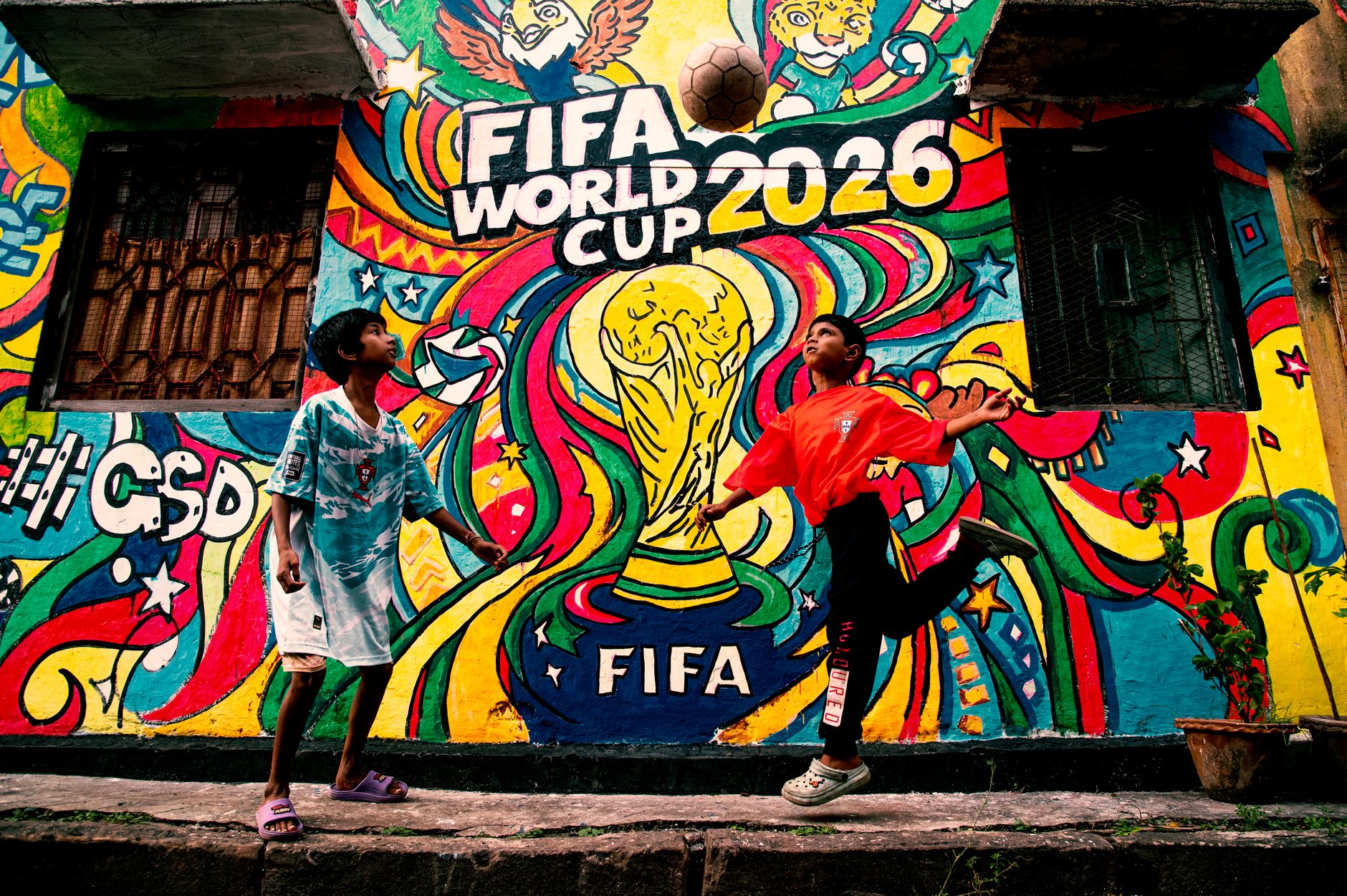
India stands as a paradox in global football. With over 1.4 billion people, the nation has a larger population than the next four most populous countries combined, yet it has never qualified for the FIFA World Cup. India's current FIFA ranking hovers around 120-130, below nations with populations smaller than some Indian cities. Understanding this puzzle requires examining the unique sporting, cultural, and structural landscape of the subcontinent.
The Cricket Monopoly
Cricket isn't just a sport in India—it's a cultural institution that commands unparalleled attention and resources. The Indian Premier League (IPL) alone generates billions of dollars annually, with top cricketers earning celebrity status and endorsement deals that dwarf those available to footballers. Parents encourage children toward cricket because it offers clear pathways to fame and financial security.
This creates a resource drain for other sports. Corporate sponsorships, media coverage, and government funding disproportionately flow toward cricket infrastructure and development. Talented athletes naturally gravitate toward the sport that offers the best opportunities, leaving football to compete for attention and investment.
Infrastructure and Grassroots Development
Football requires significant infrastructure investment that India has historically struggled to provide. Quality pitches, training facilities, and youth academies remain scarce outside major metropolitan areas. Many aspiring footballers train on substandard grounds that become unusable during monsoon seasons.
The grassroots development system lacks the depth found in football nations. Countries like Germany, Spain, and Brazil have extensive youth academy networks that identify and nurture talent from early childhood. India's football academies are concentrated in a few states like Goa, West Bengal, and Kerala, leaving vast swaths of the country underserved.
School and university sports programs rarely prioritize football with the seriousness required to develop world-class talent. Physical education often takes a backseat to academic pursuits, and competitive school football leagues lack the organization and quality coaching that build technical skills.
Coaching and Technical Expertise
The shortage of qualified coaches at all levels hampers player development. While cricket coaching has become professionalized with certified trainers at even local levels, football coaching often relies on enthusiastic but technically limited instructors.
International exposure for coaches and players remains limited compared to cricket. Football federations in successful nations invest heavily in sending coaches abroad for training and bringing foreign expertise home. India's efforts in this direction, while improving, haven't reached the scale needed to transform the entire ecosystem.
Administrative and Organizational Challenges
The All India Football Federation has faced governance issues that have periodically disrupted development efforts. Administrative instability, allegations of mismanagement, and conflicts have sometimes resulted in FIFA imposing bans or sanctions, disrupting league operations and international participation.
League structures have lacked consistency. The Indian Super League and I-League have competed rather than complemented each other, creating confusion and fragmenting resources. This contrasts with countries that have unified league systems with clear promotion and relegation pathways that incentivize clubs to invest in youth development.
Cultural and Geographic Factors
Football's regional concentration poses challenges. While states like Goa, Kerala, and West Bengal have strong football cultures, the sport hasn't penetrated deeply into the populous northern and central regions where cricket dominates.
India's geographic and climatic diversity also creates challenges. The extreme heat in many regions during much of the year makes outdoor training difficult, while countries with established football traditions often have climates more conducive to year-round play.
Signs of Progress
Recent developments offer hope. The Indian Super League has raised football's profile, attracting foreign players and coaches who bring international standards. Increased television coverage and corporate sponsorship are growing the sport's visibility.
Youth development programs are expanding, with more academies opening across the country. Partnerships with international clubs help transfer knowledge and training methods. The women's game is also growing, with the Indian women's team showing gradual improvement in international competitions.
The Path Forward
Qualifying for the World Cup requires sustained, multi-generational investment in infrastructure, coaching, and grassroots development. It demands cultural shifts in how sports resources are allocated and how parents view football as a viable career path.
Countries like China and the United States, despite different challenges, have shown that massive population alone doesn't guarantee football success. It requires systematic development, administrative stability, and cultural buy-in—elements India is slowly building but hasn't yet achieved at the scale necessary to compete with established football nations.