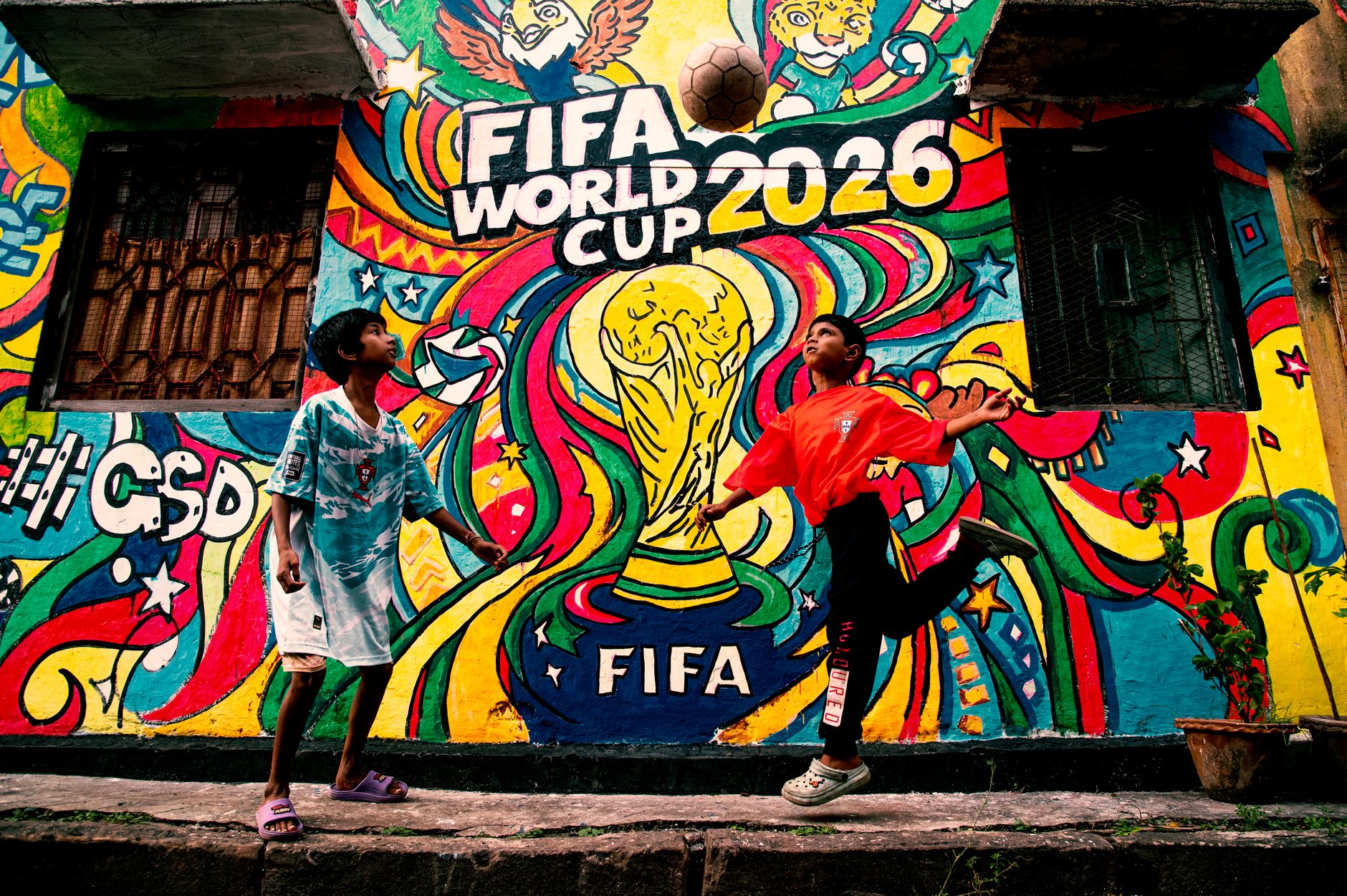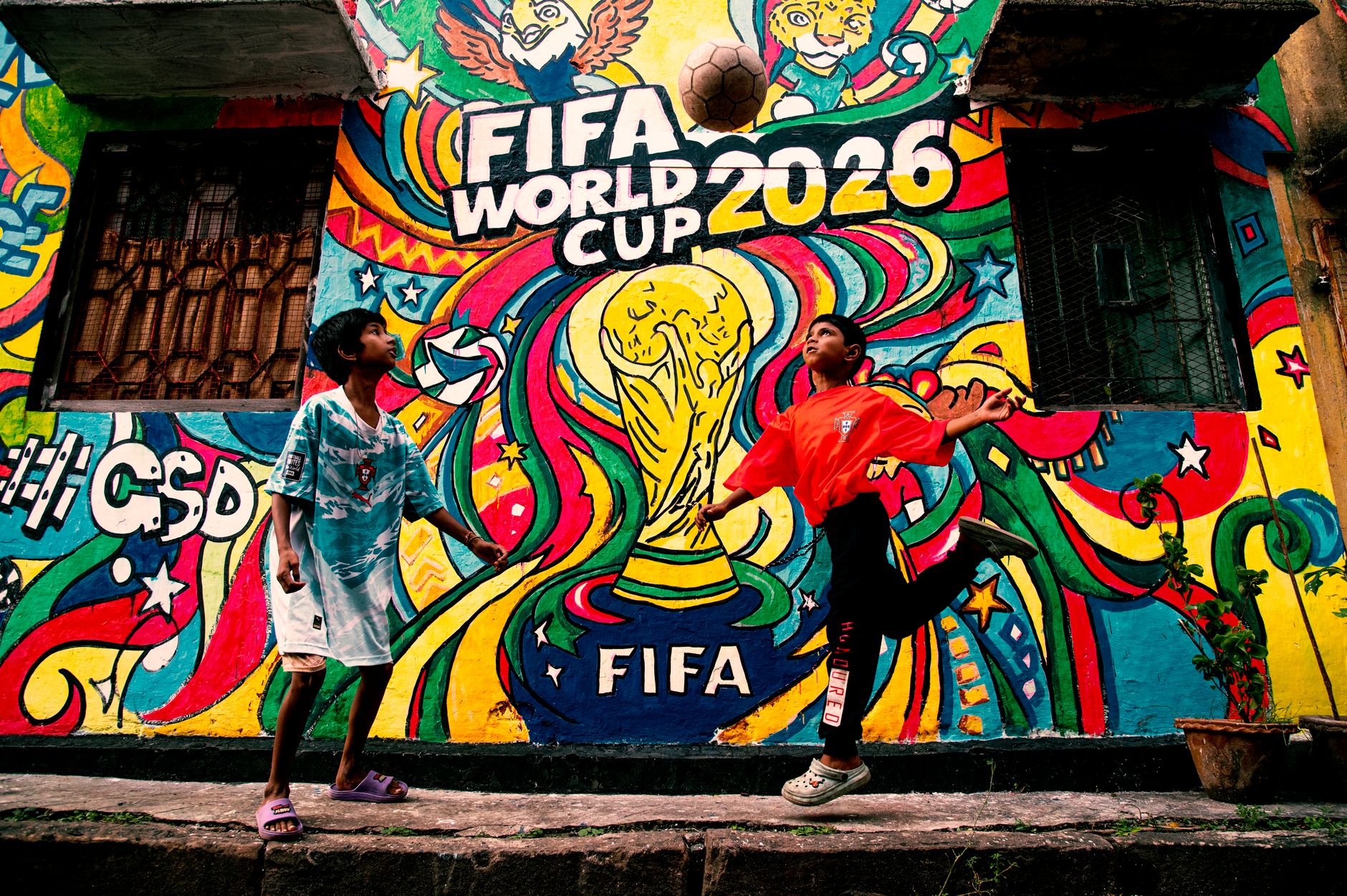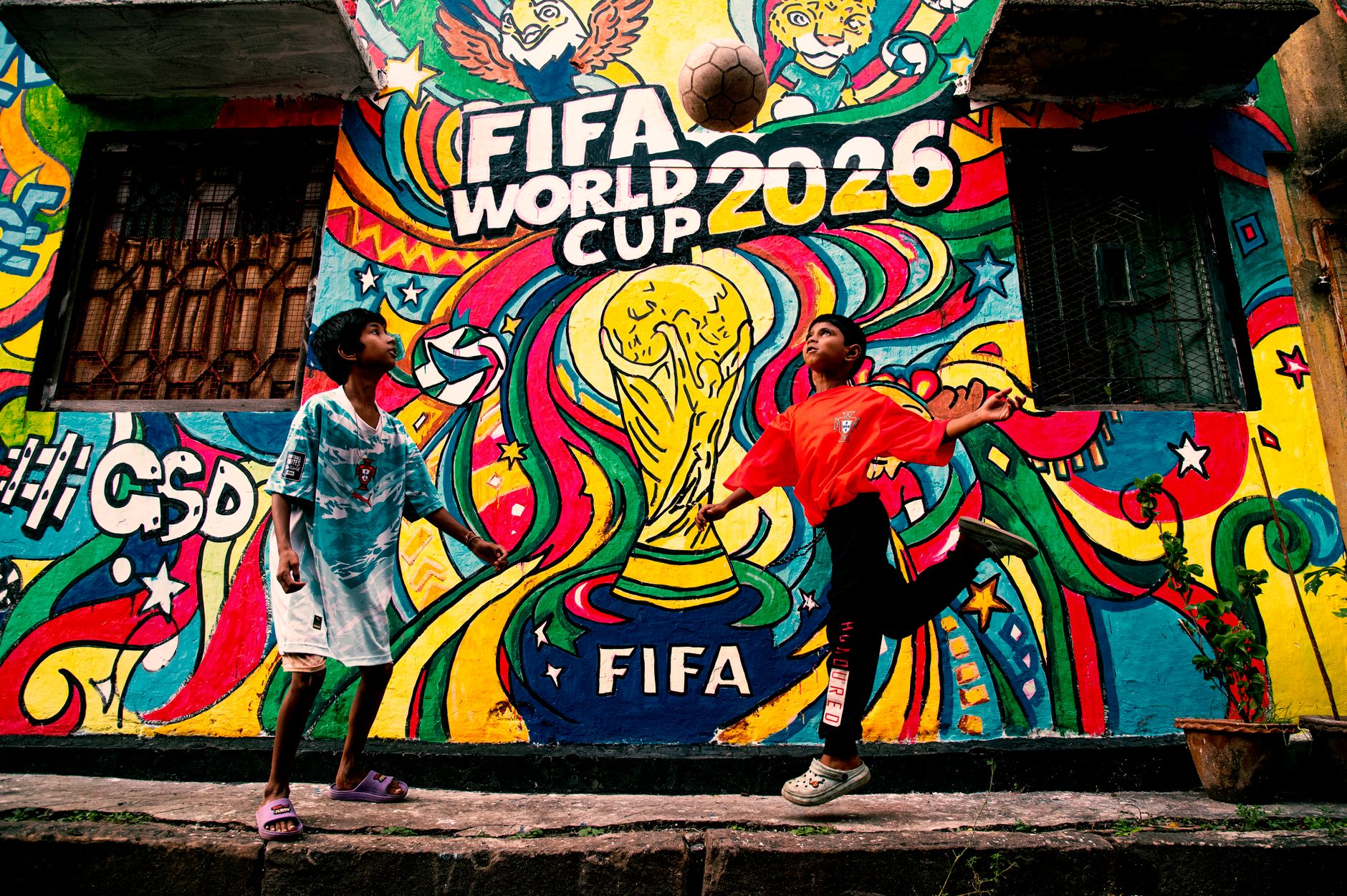
The FIFA World Cup stands as the most-watched sporting event globally, yet Indian broadcasters are showing unprecedented reluctance to acquire its broadcasting rights. This trend marks a significant shift in India's sports media landscape and reveals the unique challenges of marketing global sports in a cricket-obsessed nation.
The Time Zone Challenge
One of the primary obstacles facing FIFA World Cup broadcasts in India is scheduling. When tournaments are hosted in regions like Qatar, the Americas, or parts of Europe, matches often air during late-night or early-morning hours in Indian time zones. This creates what industry insiders call "midnight matches" – games that broadcast when most potential viewers are asleep.
Unlike cricket matches involving India, which generate viewership regardless of timing, football matches without Indian participation struggle to retain audiences during inconvenient hours. Advertisers are reluctant to pay premium rates for slots when viewership numbers are demonstrably lower, making the entire proposition commercially unviable.
The Cricket Monopoly
Cricket's stranglehold on Indian sports broadcasting cannot be overstated. The Indian Premier League alone commands broadcasting rights worth billions of dollars, with advertisers willing to pay premium rates for even a single over of play. Major cricket tournaments consistently deliver double-digit television ratings, while FIFA World Cup broadcasts typically struggle to cross single-digit viewership figures.
This disparity creates a fundamental business problem. Broadcasters must bid for FIFA rights years in advance, committing substantial capital without guaranteed returns. When the same investment could secure cricket content with predictable, massive audiences, the choice becomes economically straightforward.
Rising Rights Costs Versus Limited Returns
FIFA has consistently increased World Cup broadcasting rights fees globally, reflecting the tournament's worldwide popularity. However, the Indian market presents a paradox – while the absolute number of football fans is substantial given the country's population, the percentage of sports viewers interested in football remains relatively small.
Broadcasters face several financial pressures:
- Expensive rights acquisition fees denominated in foreign currency
- Limited advertising revenue due to smaller audience numbers
- High production costs for quality coverage and commentary
- Competition from digital platforms offering free or low-cost streaming
- Inability to command premium subscription fees for football content
The Lack of Indian Representation
India's absence from FIFA World Cup qualification compounds the problem. Sports viewership in India is heavily driven by national pride and local heroes. When Team India plays cricket anywhere globally, ratings soar. The emotional investment translates directly into commercial value.
Football lacks this crucial element. Without Indian players or teams to support, matches become purely entertainment rather than emotionally-charged national events. This significantly reduces the broadcaster's ability to build marketing campaigns around the tournament and limits potential viewership growth.
Digital Disruption and Fragmented Audiences
The rise of digital streaming platforms has further complicated the broadcasting equation. Younger football fans increasingly consume content through online platforms, often accessing international streams or highlights rather than traditional television broadcasts. This fragments the audience and reduces the value proposition for conventional broadcasters.
Additionally, social media platforms now provide real-time updates, highlights, and analysis, reducing the urgency to watch live broadcasts. For matches occurring at inconvenient hours, many fans simply check scores online rather than staying awake or recording broadcasts.
Regional Variations in Football Interest
While cricket enjoys pan-India popularity, football viewership is concentrated in specific regions – notably Kerala, West Bengal, Goa, and northeastern states. This geographic concentration makes national broadcasting less attractive than regional approaches, but FIFA typically sells rights for entire territories, not individual states.
The mismatch between FIFA's rights structure and India's regional football interest creates inefficiencies that further discourage broadcaster investment.
Changing Priorities in Sports Broadcasting
Indian broadcasters are increasingly selective about sports rights, focusing on properties that deliver guaranteed returns. With the proliferation of cricket content – domestic leagues, bilateral series, franchise tournaments – and emerging interest in sports like kabaddi and badminton featuring Indian athletes, the opportunity cost of investing in FIFA rights continues to rise.
The broadcasting landscape has evolved from acquiring marquee international events for prestige to making data-driven decisions about audience delivery and return on investment. In this environment, the FIFA World Cup's challenges in the Indian market become magnified.
Unless FIFA develops India-specific strategies, such as adjusted rights pricing for the region or India successfully qualifies for future tournaments, this trend of broadcaster reluctance will likely continue, leaving Indian football fans dependent on digital platforms or delayed coverage for the world's biggest football spectacle.