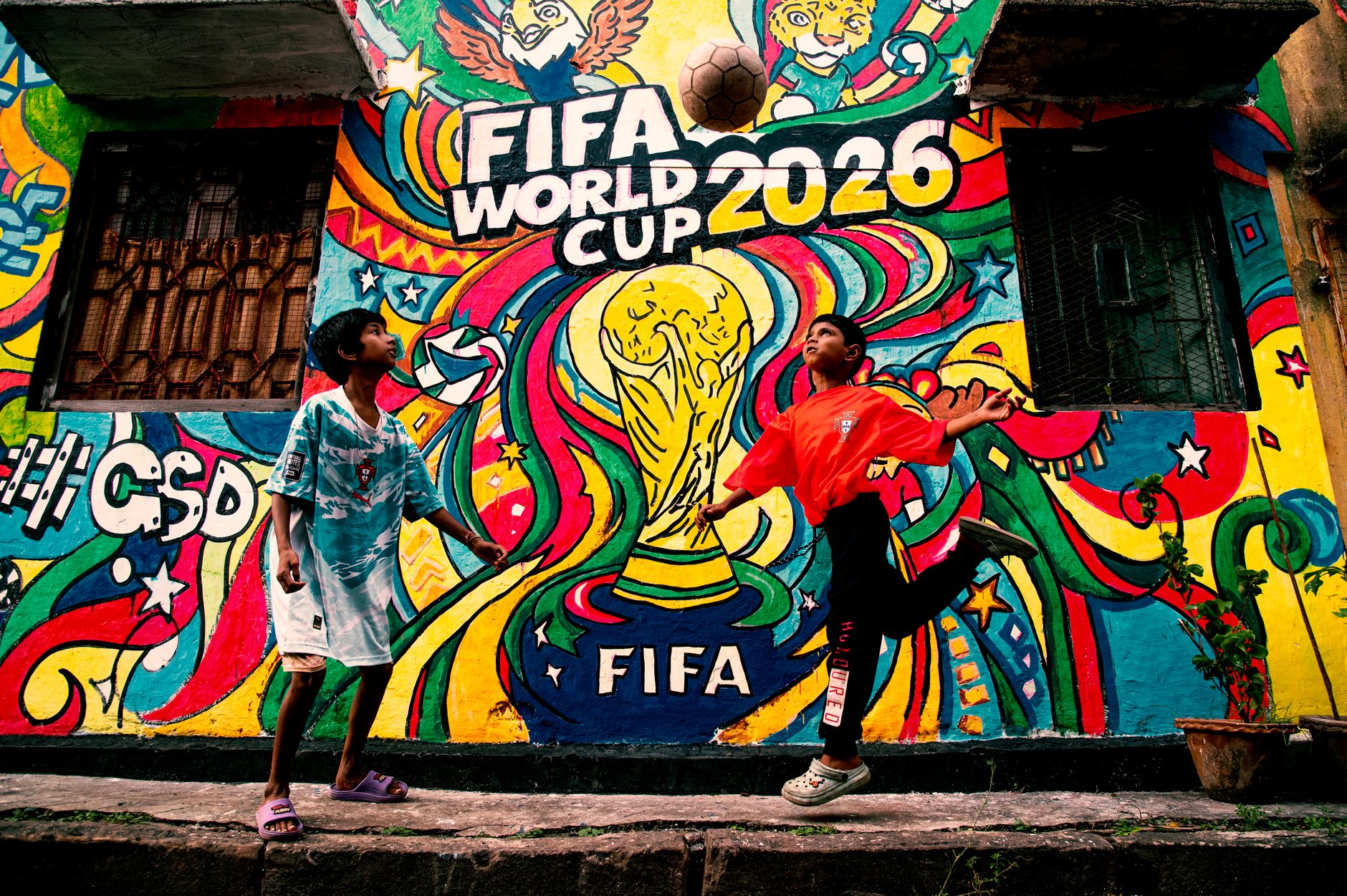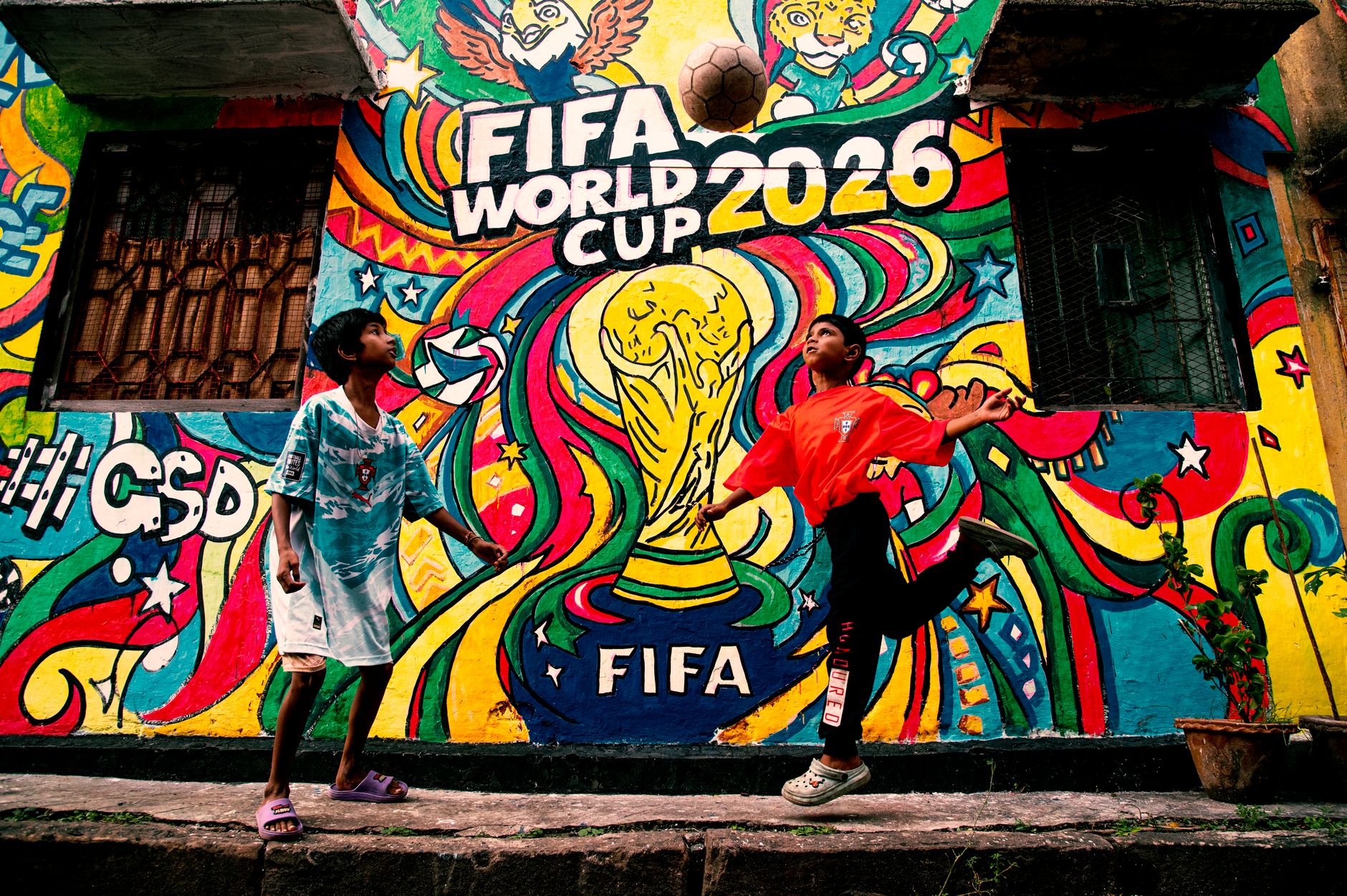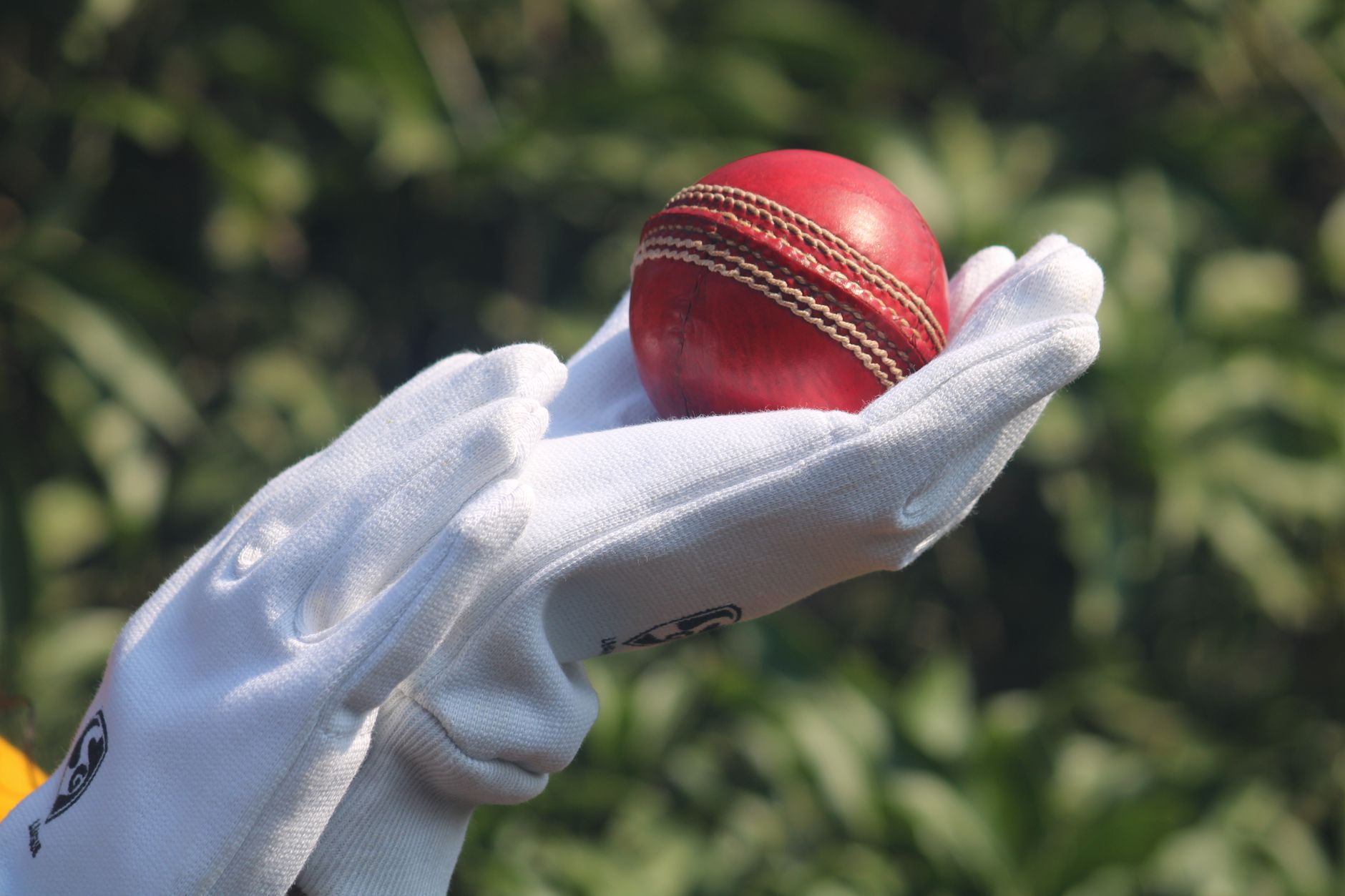
The business of sports has evolved into a multi-billion dollar global ecosystem where television rights, sponsorships, and merchandise sales determine which games thrive and which struggle for survival. While football maintains its position as the world's most lucrative sport, cricket has emerged as a formidable commercial force, particularly in South Asia and increasingly in global markets.
The Revenue Giants of Global Sports
Football generates approximately USD 28 billion in annual revenue globally, making it the undisputed commercial leader among all sports. The English Premier League alone accounts for roughly USD 6 billion of this figure, with broadcasting rights sold to over 200 countries. The UEFA Champions League adds another USD 3.5 billion annually, demonstrating how European club football dominates the commercial landscape.
Cricket, meanwhile, has carved out a USD 6 billion annual market, with the Indian Premier League (IPL) serving as its crown jewel. The IPL's brand value has surpassed USD 10 billion, rivaling many established football leagues despite operating for just two months each year. This concentration of value in a single league demonstrates cricket's unique business model, where shorter formats command premium pricing.
Geographic Concentration Versus Global Spread
Football's commercial success stems from its truly global footprint. Major leagues operate profitably across Europe, South America, Asia, and increasingly in North America and Africa. The sport's World Cup generates over USD 7 billion in revenue every four-year cycle, with viewing audiences exceeding 3.5 billion people worldwide.
Cricket operates differently, concentrating its commercial power in India, which represents approximately 80 percent of the sport's global revenue. However, this concentration has proven advantageous rather than limiting. India's population of 1.4 billion, combined with high engagement rates and growing disposable incomes, creates a market that rivals football's fragmented global presence. Australia, England, and emerging markets in the Middle East contribute the remaining revenue share.
Broadcasting Rights: The Primary Revenue Driver
Television and digital streaming rights have become the dominant revenue source for professional sports, often accounting for 50-60 percent of total income. The Premier League's current domestic broadcasting deal stands at approximately USD 2 billion annually, while international rights add another USD 1.5 billion.
The IPL recently sold its broadcasting rights for USD 6.2 billion over five years, making it the second-most valuable sports league globally on a per-match basis. Individual IPL matches generate higher broadcasting revenue than many established football leagues, highlighting how concentrated viewership in large markets can rival geographically dispersed audiences.
Sponsorship and Commercial Partnerships
Corporate sponsorships represent the second-largest revenue stream, with brands paying premium prices to associate with successful teams and leagues. Football clubs like Real Madrid and Manchester United command shirt sponsorships worth USD 70-90 million annually, while also maintaining dozens of official partners across various categories.
Cricket has developed sophisticated sponsorship ecosystems, particularly around national teams and franchise leagues. The Indian cricket team's kit sponsorship alone is valued at approximately USD 50 million per year, while IPL franchises secure title sponsors paying USD 15-20 million annually. The compressed tournament format allows brands to achieve maximum visibility within shorter timeframes.
Franchise Valuations and Investment Trends
Sports franchises have become attractive investment vehicles for billionaires and private equity firms. English Premier League clubs routinely sell for valuations exceeding USD 3 billion, while NFL franchises in the United States command USD 5-6 billion price tags.
IPL franchises have seen remarkable appreciation, with teams purchased for USD 300-400 million in 2022 now valued at approximately USD 1 billion. This represents faster growth than most established football clubs, driven by India's economic expansion and cricket's growing digital engagement. New franchise leagues in cricket have emerged in the UAE, South Africa, and the Caribbean, attempting to replicate the IPL model.
The Digital Transformation Impact
Streaming platforms have fundamentally altered sports economics, enabling direct-to-consumer models that bypass traditional broadcasters. Amazon, Apple, and dedicated sports platforms now compete aggressively for rights, driving prices higher while expanding global accessibility.
Cricket has particularly benefited from digital distribution, with streaming services making IPL matches available globally without requiring traditional television infrastructure. This has opened new markets in North America and Europe where cricket previously had limited presence, while also enabling innovative pricing models and interactive viewing experiences.
The convergence of traditional sports with digital platforms, fantasy gaming, and sports betting has created additional revenue streams worth billions annually. Both football and cricket actively develop these ancillary businesses, recognizing that younger audiences engage with sports through multiple touchpoints beyond passive viewing.