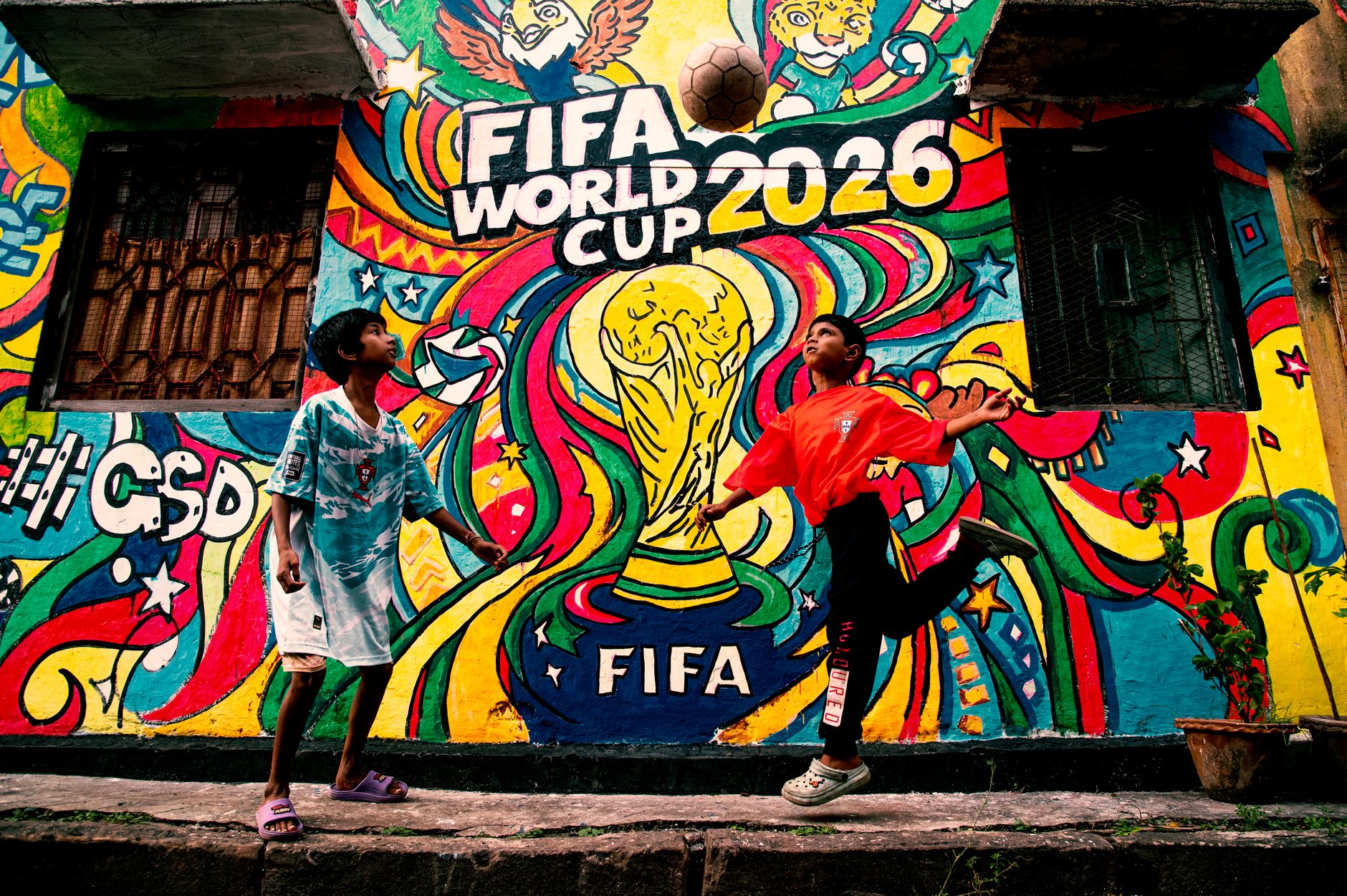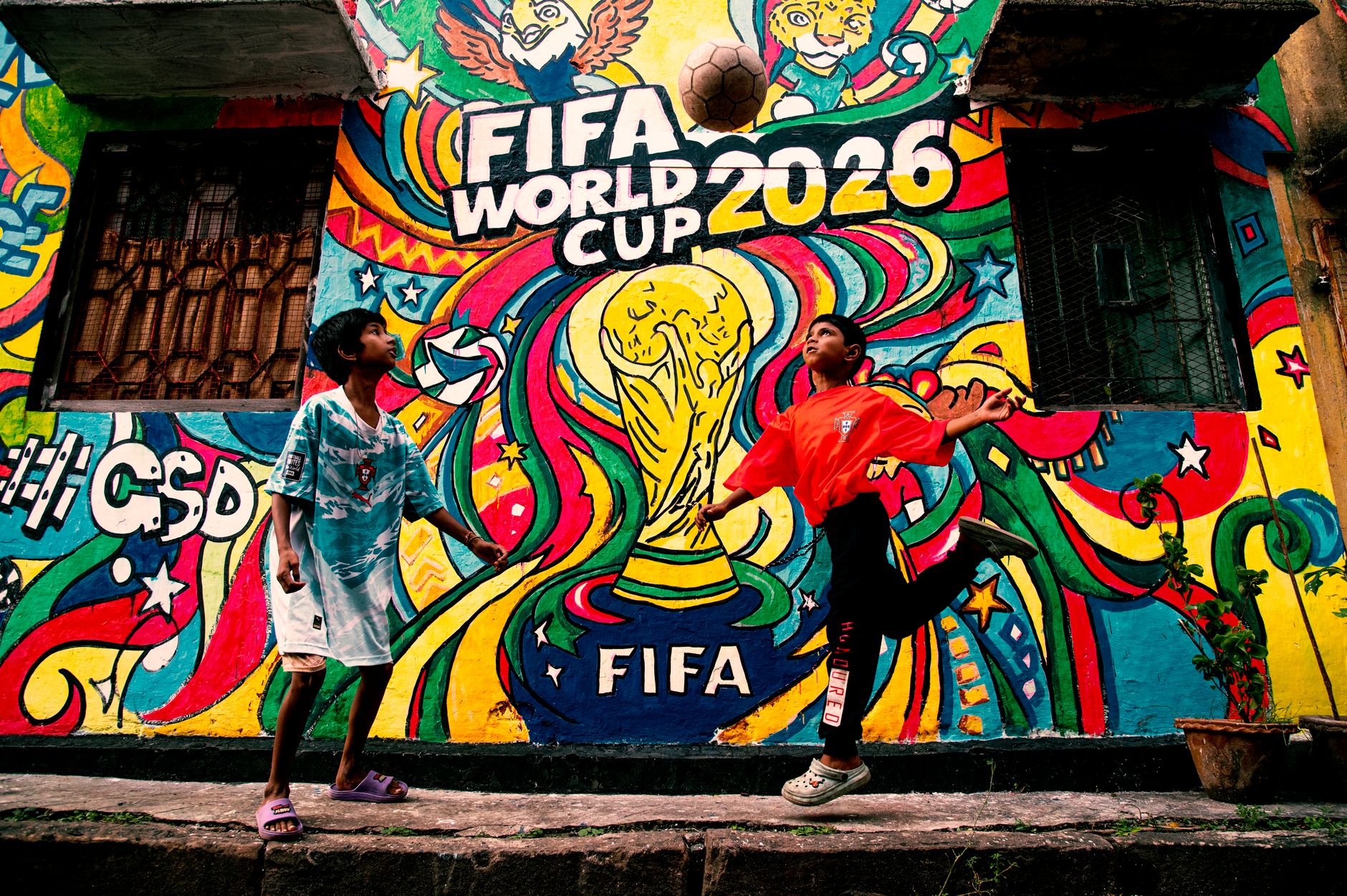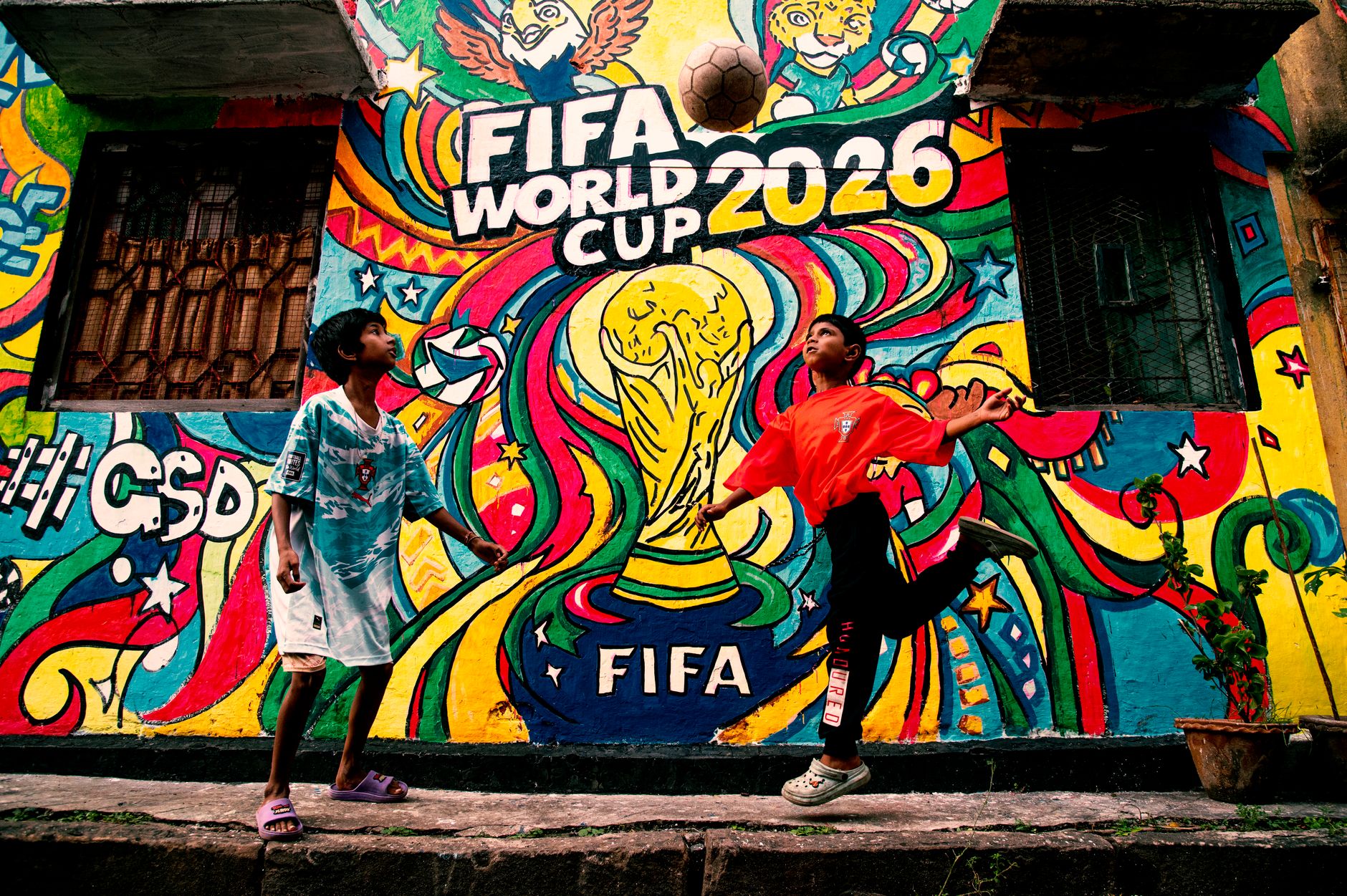
The FIFA World Cup stands as the world's most-watched sporting event, drawing billions of viewers from virtually every continent. This unparalleled global reach has brought renewed attention to cricket's relatively narrow geographical footprint, despite the sport's passionate following in certain regions.
The Numbers Tell the Story
The FIFA World Cup final regularly attracts over 1.5 billion viewers across more than 200 countries. Football is played and followed in nearly every nation on Earth, with thriving professional leagues on every inhabited continent. Cricket, by contrast, enjoys significant popularity in roughly a dozen countries, primarily concentrated in South Asia, Australia, England, and parts of the Caribbean and Southern Africa.
The International Cricket Council has approximately 108 member nations, but only 12 teams compete in the Cricket World Cup's main tournament. Compare this to FIFA's 211 member associations, with 32 teams (expanding to 48) participating in the World Cup, and the difference in global penetration becomes stark.
Historical Roots of the Divide
Cricket's limited spread stems largely from its colonial origins. The British Empire introduced cricket to its colonies, but the sport failed to take root in many regions after independence. Football, meanwhile, spread through multiple channels including British influence, South American passion, and European immigration, creating a truly worldwide phenomenon.
The complexity and time requirements of cricket have also limited its adoption. Traditional Test matches last five days, while even the shortest format, Twenty20, requires several hours. Football's 90-minute matches and simpler rules make it more accessible to new audiences and easier to integrate into existing sporting cultures.
Regional Dominance Versus Global Presence
Cricket's strength lies in the intensity of support in its core markets. India alone represents the financial powerhouse of world cricket, with the Board of Control for Cricket in India generating approximately 80 percent of global cricket revenue. The Indian Premier League has become one of the world's richest sporting competitions, with franchise values and broadcasting rights commanding astronomical sums.
However, this concentration creates vulnerability. Cricket's economic model depends heavily on a handful of wealthy boards, primarily India, England, and Australia. The sport struggles to generate sustainable revenue in emerging markets, limiting investment in development and infrastructure.
Efforts to Expand Cricket's Footprint
The ICC has made attempts to globalize cricket, introducing the Twenty20 format partly to appeal to new audiences with shorter attention spans. Associate nations like the United Arab Emirates, Afghanistan, and Ireland have shown progress, with Afghanistan and Ireland gaining Test status in recent years.
The sport has also targeted growth markets. Efforts in China, the United States, and parts of East Asia aim to crack regions where cricket has historically been absent. However, progress remains slow against entrenched sporting cultures and limited infrastructure.
The Olympic Question
Cricket's absence from the Olympics for over a century has hindered its global development. Football benefits enormously from Olympic exposure, introducing the sport to new audiences every four years. Cricket will return to the Olympics in 2028 in Los Angeles, presenting a significant opportunity to raise the sport's profile in non-traditional markets, particularly the United States.
Cultural and Commercial Implications
The geographic concentration affects cricket's commercial appeal to global brands. While regional sponsors in India and other cricket nations invest heavily, truly global companies often favor football's worldwide reach for marketing campaigns. This creates a ceiling on cricket's commercial growth potential beyond its established markets.
Cricket's cultural significance in its strongholds remains undeniable. In India, Pakistan, Bangladesh, and Sri Lanka, cricket transcends sport to become a matter of national identity. West Indies cricket unified Caribbean nations, while the Ashes rivalry between England and Australia represents one of sport's oldest and most celebrated competitions.
The Path Forward
Cricket faces a choice between deepening engagement in existing markets and pursuing genuine globalization. Some argue the sport should embrace its regional strength, maximizing revenue from passionate existing fans. Others insist cricket must expand its footprint to remain relevant in an increasingly competitive global sports marketplace.
The rise of franchise leagues modeled on the IPL—including leagues in the Caribbean, Bangladesh, Pakistan, and South Africa—demonstrates one growth strategy. These competitions aim to raise cricket's profile while generating revenue to reinvest in development.
Whether cricket can significantly expand beyond its traditional boundaries remains uncertain. The sport's governing bodies continue working toward broader appeal, but the FIFA World Cup's quadrennial reminder of football's universal language highlights the considerable distance cricket must travel to achieve comparable global status.