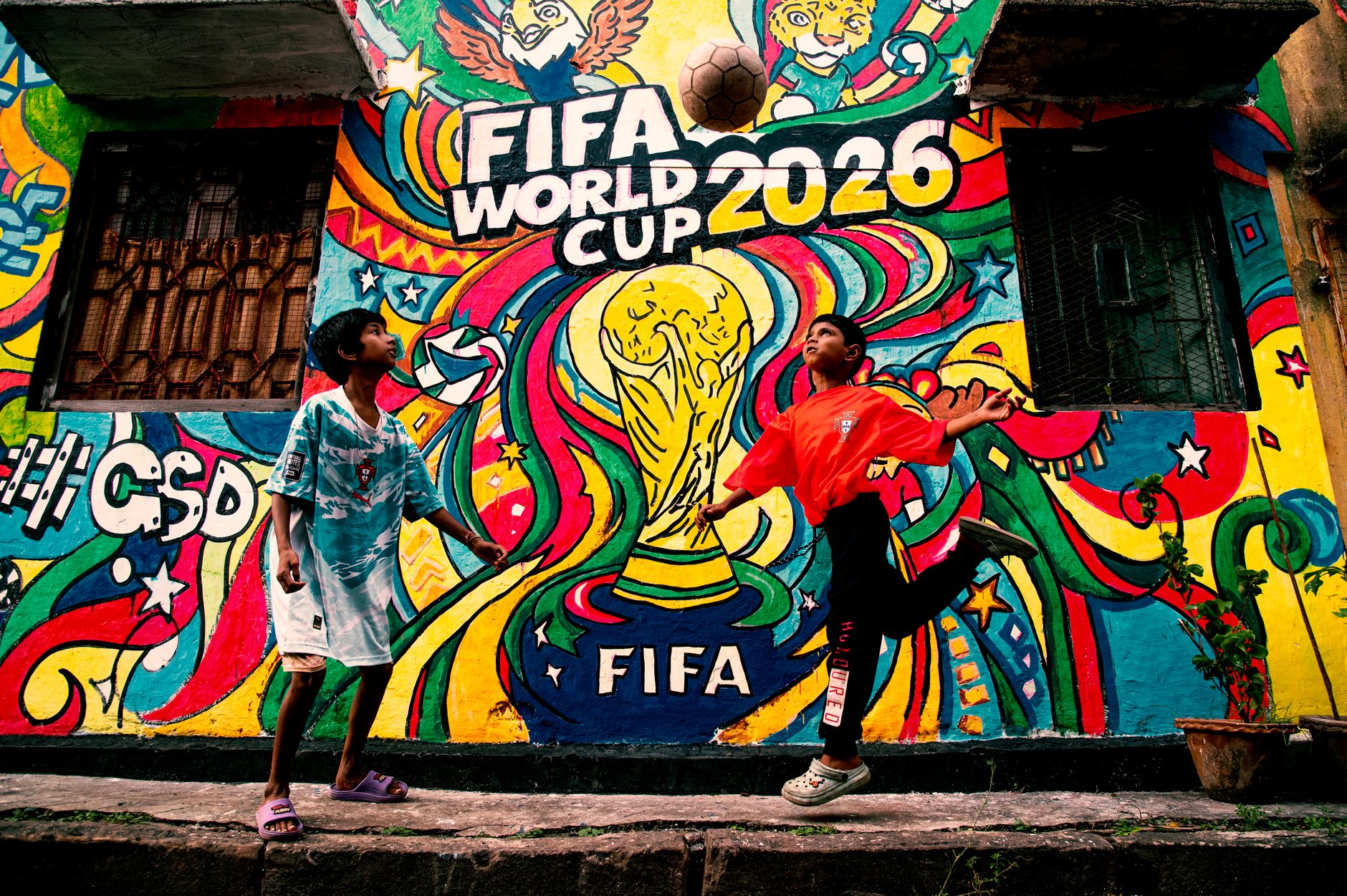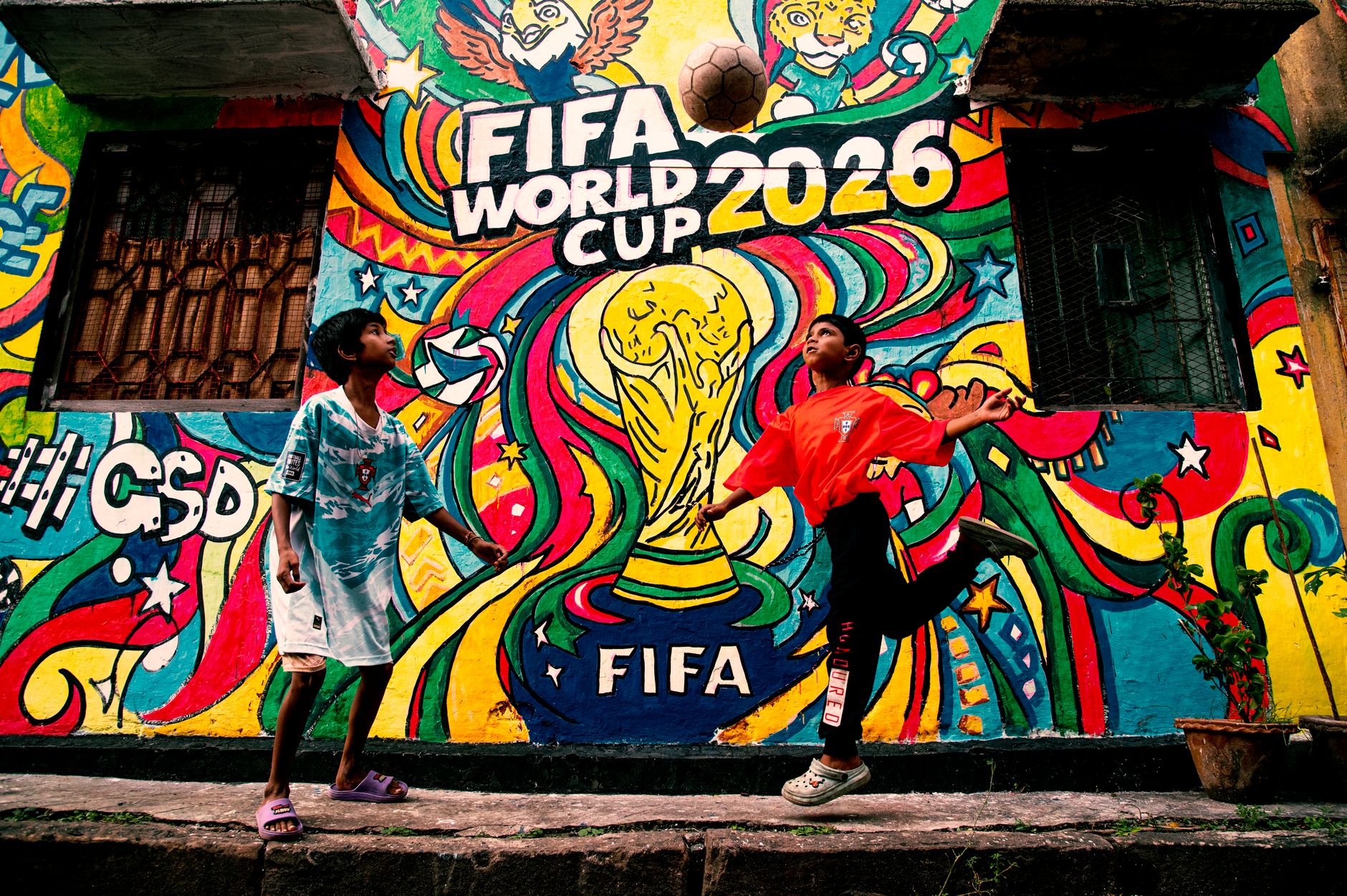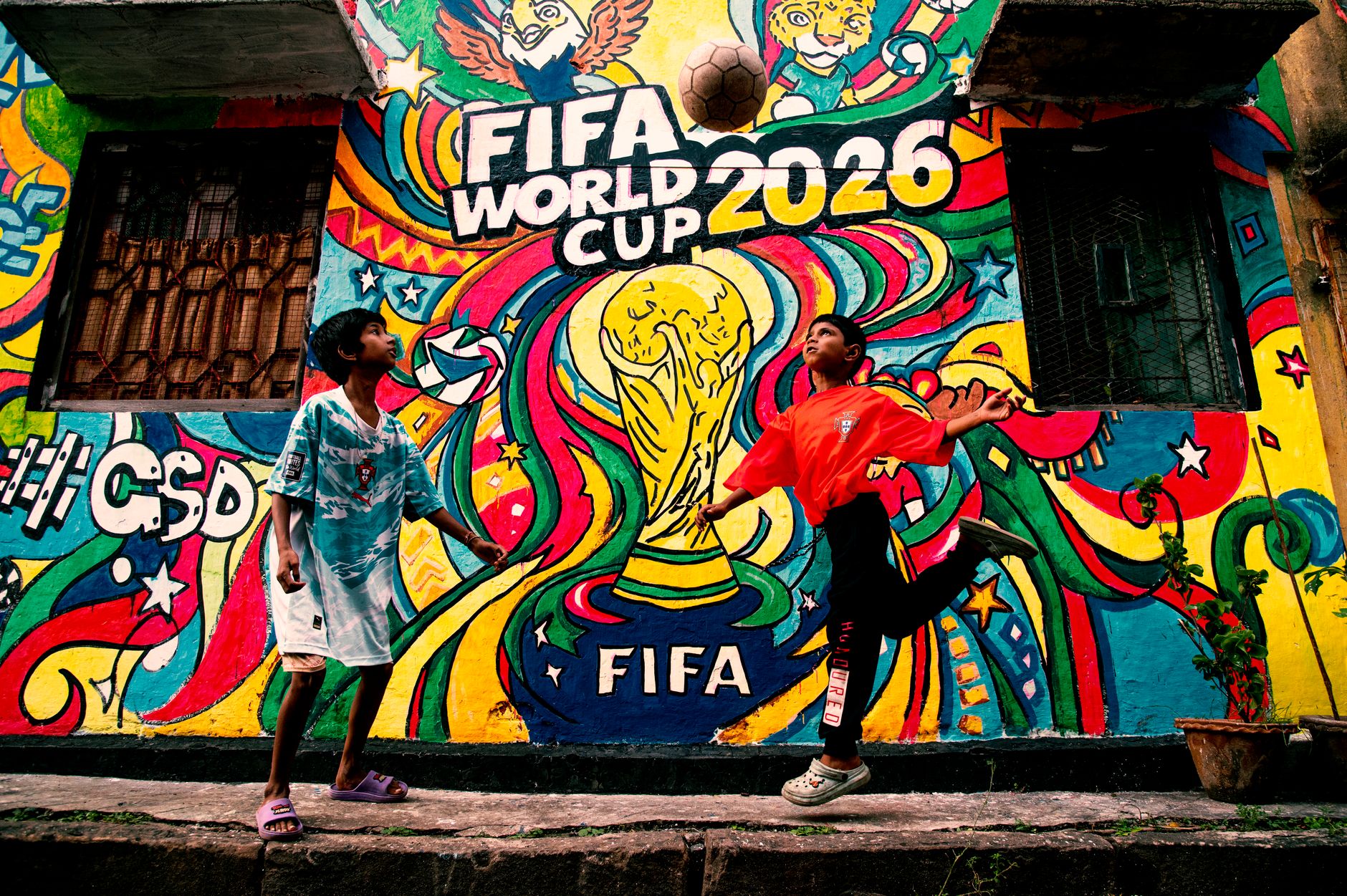
India has long been synonymous with cricket, where the sport commands religious devotion and players are treated like demigods. However, a significant shift is underway as football steadily carves out its own devoted following, with the upcoming FIFA World Cup 2026 set to accelerate this transformation.
The Rise of Football Culture in India
The growth of football in India over the past decade has been remarkable. The Indian Super League, launched in 2014, has played a pivotal role in popularizing the sport by bringing international stars to Indian soil and creating a vibrant league structure. Young Indians are increasingly following European leagues like the English Premier League, La Liga, and Serie A, with matches broadcast during prime time slots attracting millions of viewers.
Social media has amplified this trend, with football clubs like Manchester United, Barcelona, and Real Madrid boasting massive Indian fan bases. Cities like Kolkata, Goa, Kerala, and the northeastern states have traditionally been football strongholds, but the sport's appeal now extends to cricket bastions like Mumbai, Delhi, and Bangalore.
Why Football is Gaining Ground
Several factors contribute to football's rising popularity in India. The sport's global appeal makes it accessible to Indian audiences who want to connect with international sporting culture. Unlike cricket, which requires specialized equipment and space, football can be played anywhere with just a ball, making it more inclusive for children from diverse economic backgrounds.
The success of the Indian national team in regional competitions and improved FIFA rankings have also boosted interest. Young players now see football as a viable career option, with academies and grassroots programs expanding across the country. Corporate investment in football infrastructure has increased substantially, with major brands recognizing the sport's commercial potential.
The 2026 World Cup Factor
The FIFA World Cup 2026, co-hosted by the United States, Canada, and Mexico, will be the first expanded tournament featuring 48 teams. This expansion has sparked conversations about India's potential future participation, fueling aspirations among players and fans alike. The tournament's timing and extensive media coverage are expected to draw unprecedented viewership from India.
Broadcasting rights for the World Cup have been fiercely contested, with platforms preparing extensive coverage in multiple Indian languages. Advertisers are already positioning themselves to capitalize on the expected surge in viewership, recognizing that football fans represent an attractive demographic—young, urban, and digitally connected.
Cricket and Football: Coexistence Rather Than Competition
Despite football's growth, cricket remains India's premier sport. The Indian Premier League continues to dominate television ratings and commercial revenues. However, the sporting landscape is diversifying rather than shifting entirely. Many Indians now follow both sports, with their loyalties depending on the season and tournament.
This dual engagement benefits Indian sports overall. The competitive environment pushes both sports to improve their offerings, infrastructure, and fan engagement strategies. Sports bars and viewing parties for football matches have become commonplace in urban centers, creating social experiences similar to those enjoyed during cricket tournaments.
Challenges Ahead for Indian Football
Despite the enthusiasm, Indian football faces significant hurdles. The national team's performance on the global stage remains modest, and qualifying for a FIFA World Cup remains a distant dream. Infrastructure development, though improving, lags behind cricketing facilities. Player development systems need further strengthening to produce world-class talent consistently.
Governance issues within Indian football administration have also hindered progress. Resolving these structural problems is essential for the sport to reach its full potential in the country.
Looking Forward
The 2026 FIFA World Cup presents a golden opportunity for football to consolidate its position in the Indian sporting consciousness. As more Indians tune in to watch the world's best players compete, the sport's appeal will likely continue growing. Schools and colleges are incorporating football into their sports programs more enthusiastically, ensuring a pipeline of future players and fans.
The dream of seeing India compete in a FIFA World Cup may still be years away, but the journey has begun. With sustained investment, improved governance, and continued grassroots development, India's football story is just beginning to unfold. As the World Cup approaches, the football fever gripping India signals not a replacement of cricket, but an enrichment of the nation's sporting tapestry.