Cricket stands at a crossroads. Once a sport where major tournaments were rare, cherished events that captivated nations, it has transformed into a nearly year-round spectacle of global competitions. The ICC now hosts a major tournament almost every year, and many observers believe this relentless schedule has stripped away the magic that once made cricket's biggest moments truly special.
The Football Model: Scarcity Creates Value
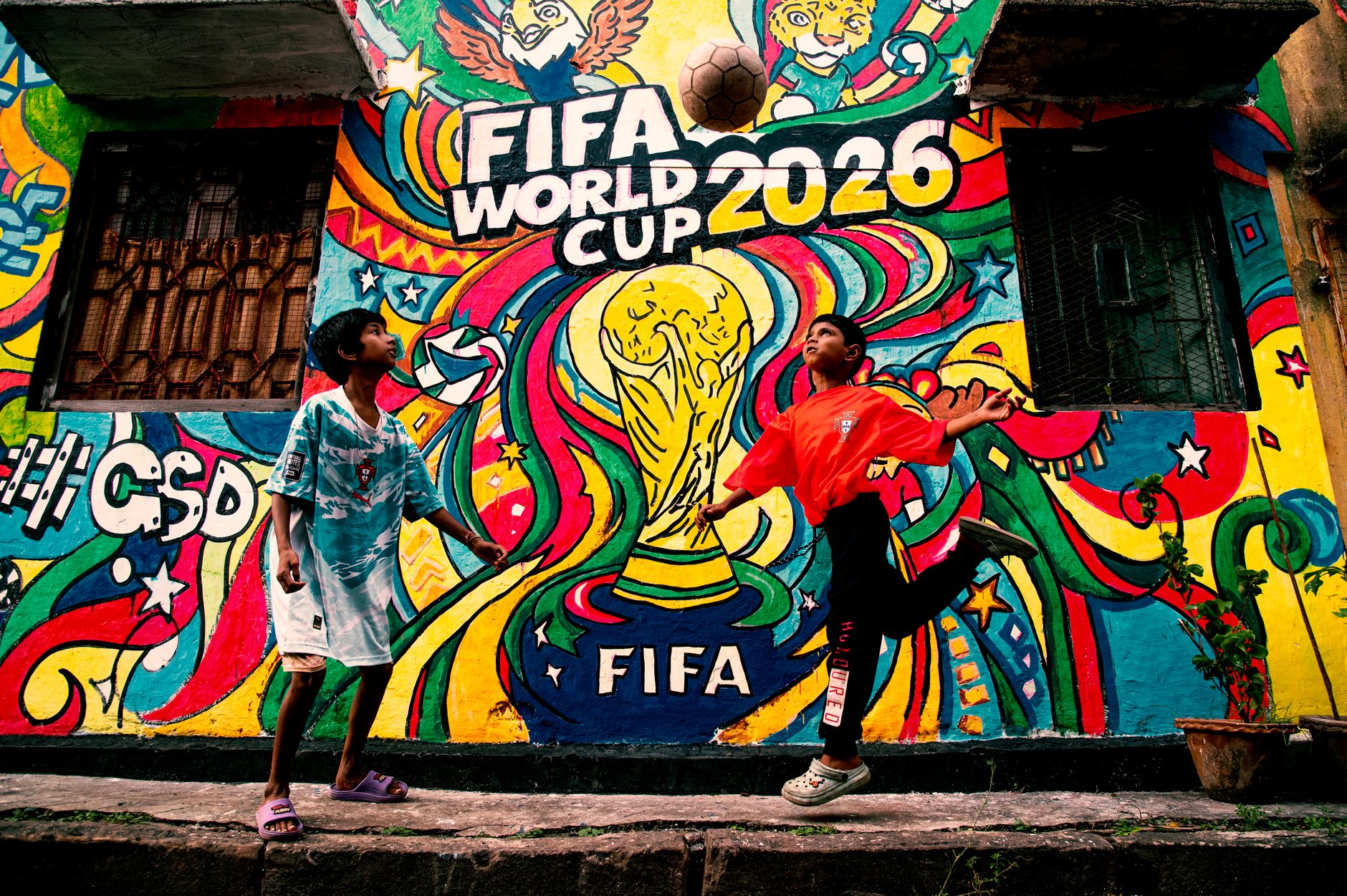
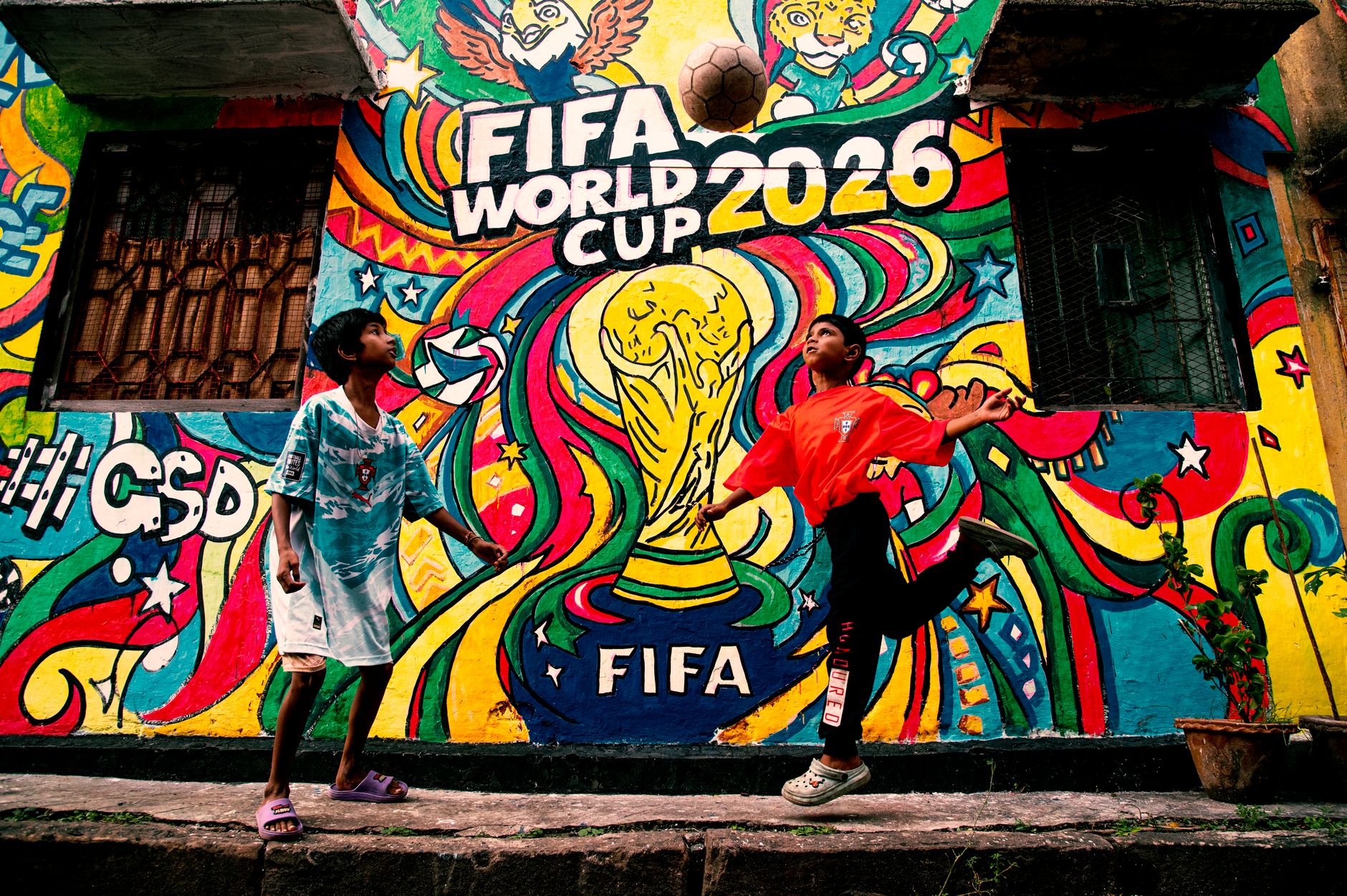
Football's FIFA World Cup remains the pinnacle of sporting events globally, largely because it happens only once every four years. This scarcity creates an anticipation that builds over years. Players dream their entire careers about appearing on that stage. Fans mark calendars and plan their lives around these quadrennial celebrations. The rarity amplifies every match, every goal, and every moment of drama.
FIFA has resisted numerous opportunities to increase frequency despite obvious financial incentives. The organization understands that flooding the market would diminish what makes the World Cup irreplaceable. Even continental championships like the UEFA European Championship and Copa America maintain four-year cycles, preserving their prestige.
Cricket's Tournament Overload
In contrast, cricket has adopted a dramatically different approach. The International Cricket Council now schedules major global tournaments with startling regularity. The T20 World Cup, originally planned as a periodic event, now occurs every two years. The ODI World Cup maintains its four-year cycle, but the Champions Trophy has been revived for the gaps between. Add the World Test Championship finals, and cricket fans face a major ICC event almost annually.
This frequency extends beyond men's cricket, with separate calendars for women's tournaments, creating an endless stream of "world championships." While expansion of women's cricket deserves celebration, the overall effect is a crowded calendar where distinguishing between tournaments becomes challenging.
The Commercial Imperative
The driving force behind this proliferation is unmistakably financial. Each global tournament generates substantial broadcasting revenue, sponsorship deals, and commercial opportunities. Cricket boards, particularly those in developing markets, rely heavily on ICC revenue distribution from these events.
The Board of Control for Cricket in India, cricket's financial powerhouse, benefits enormously from frequent global tournaments. Indian viewership drives broadcasting deals worth billions, and the commercial ecosystem has grown dependent on regular injections of marquee events. For administrators, more tournaments simply mean more revenue.
However, this short-term financial thinking may be undermining long-term value. When every year brings another "world" event, the term loses meaning. Players experience burnout. Fans struggle to maintain intensity across multiple tournaments annually. The special occasion becomes routine.
The Cost to Players and Fans
Modern cricketers navigate punishing schedules. Beyond international tournaments, they juggle domestic leagues like the Indian Premier League, Big Bash League, Caribbean Premier League, and numerous other franchise competitions. Adding more ICC events intensifies this burden.
Player burnout manifests in frequent injuries, early retirements, and cricketers choosing franchise leagues over international duty. When a World Cup happens every year or two, representing your country in one becomes less career-defining and more obligatory.
For fans, tournament fatigue is real. The emotional investment required for a World Cup—the tension, the partisan support, the collective national experience—cannot be sustained continuously. When another tournament arrives before the previous one has faded from memory, each individual event matters less.
Finding the Balance
Cricket need not abandon its growth trajectory, but recalibrating tournament frequency would restore prestige to its major events. Expanding the gap between T20 World Cups to four years, aligning all formats on complementary cycles, and reducing overall tournament numbers could revitalize cricket's marquee occasions.
The sport could learn from football's understanding that sometimes less truly is more. A World Cup should be an achievement so rare that players retire having appeared in only one or two. Fans should count down years, not months, to the next global showdown.
Cricket's administrators face a choice between maximizing immediate commercial returns and preserving the soul of their sport's greatest competitions. Football chose legacy over short-term profit, and the World Cup's enduring magic validates that decision. Cricket's current path risks turning world championships into just another series, indistinguishable from the endless stream of international cricket already saturating the calendar.
The question is whether those controlling cricket's destiny will recognize this truth before the damage becomes irreversible.