The upcoming ICC Champions Trophy in 2025 has reignited debates about cricket's place in the global sporting hierarchy and whether its premier tournaments can match the universal appeal of football's World Cup. As preparations intensify for this elite competition, cricket administrators and fans alike are examining what it would take for the sport to achieve truly worldwide resonance.
Understanding the Champions Trophy Format
The ICC Champions Trophy represents cricket's premier short-format tournament outside the World Cup itself. Unlike the ODI World Cup, which has expanded to accommodate more teams, the Champions Trophy maintains an exclusive field of just eight top-ranked nations. This concentrated format creates intense competition over a shorter timeframe, with every match carrying significant weight.
The tournament follows a straightforward structure: two groups of four teams each, followed by semi-finals and a final. This streamlined approach means there are no easy matches, and top teams can be eliminated quickly if they falter. The format has produced some of cricket's most memorable upsets and thrilling encounters since its inception in 1998.
Cricket's Global Reach vs Football's Universal Appeal
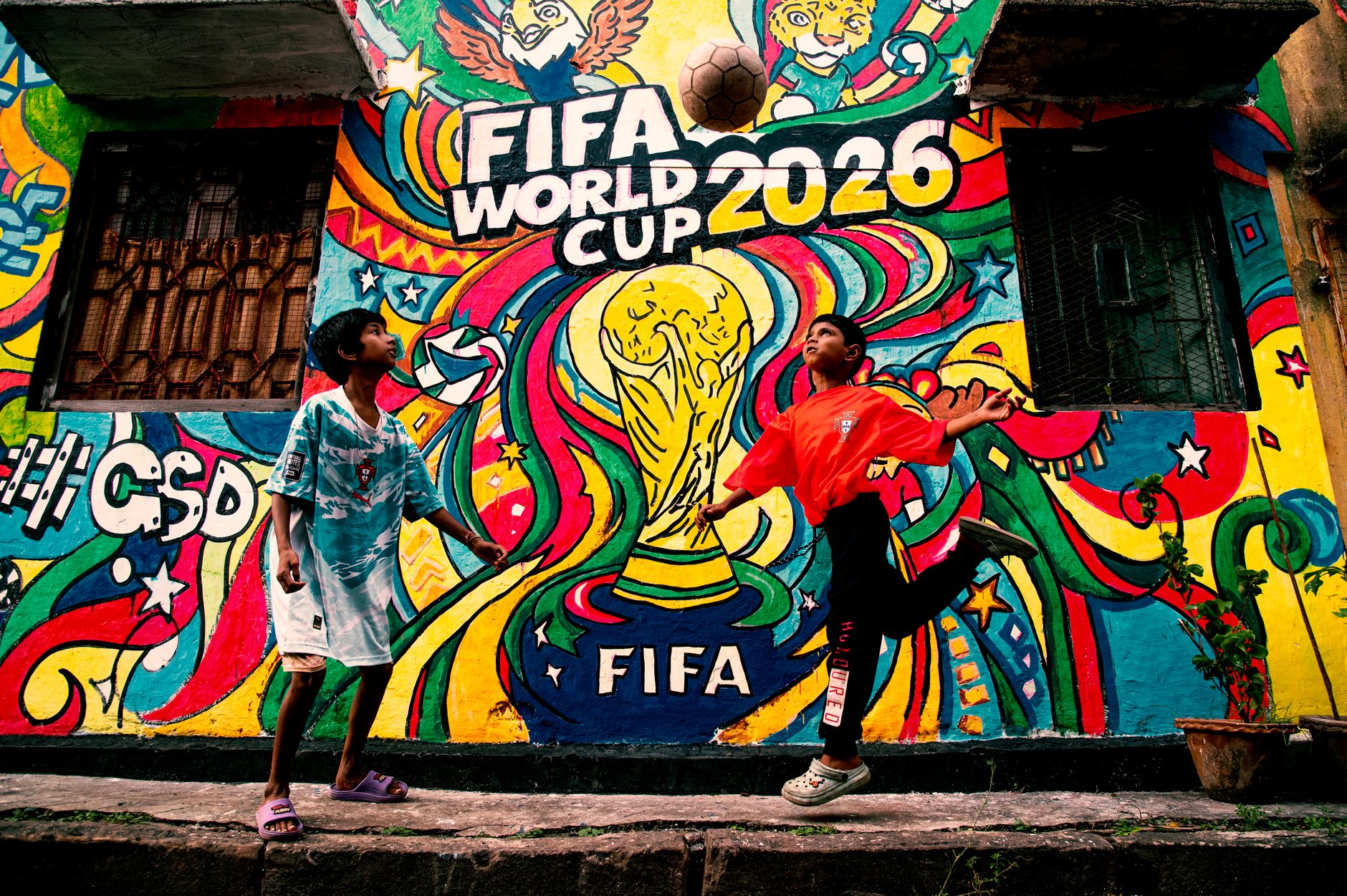
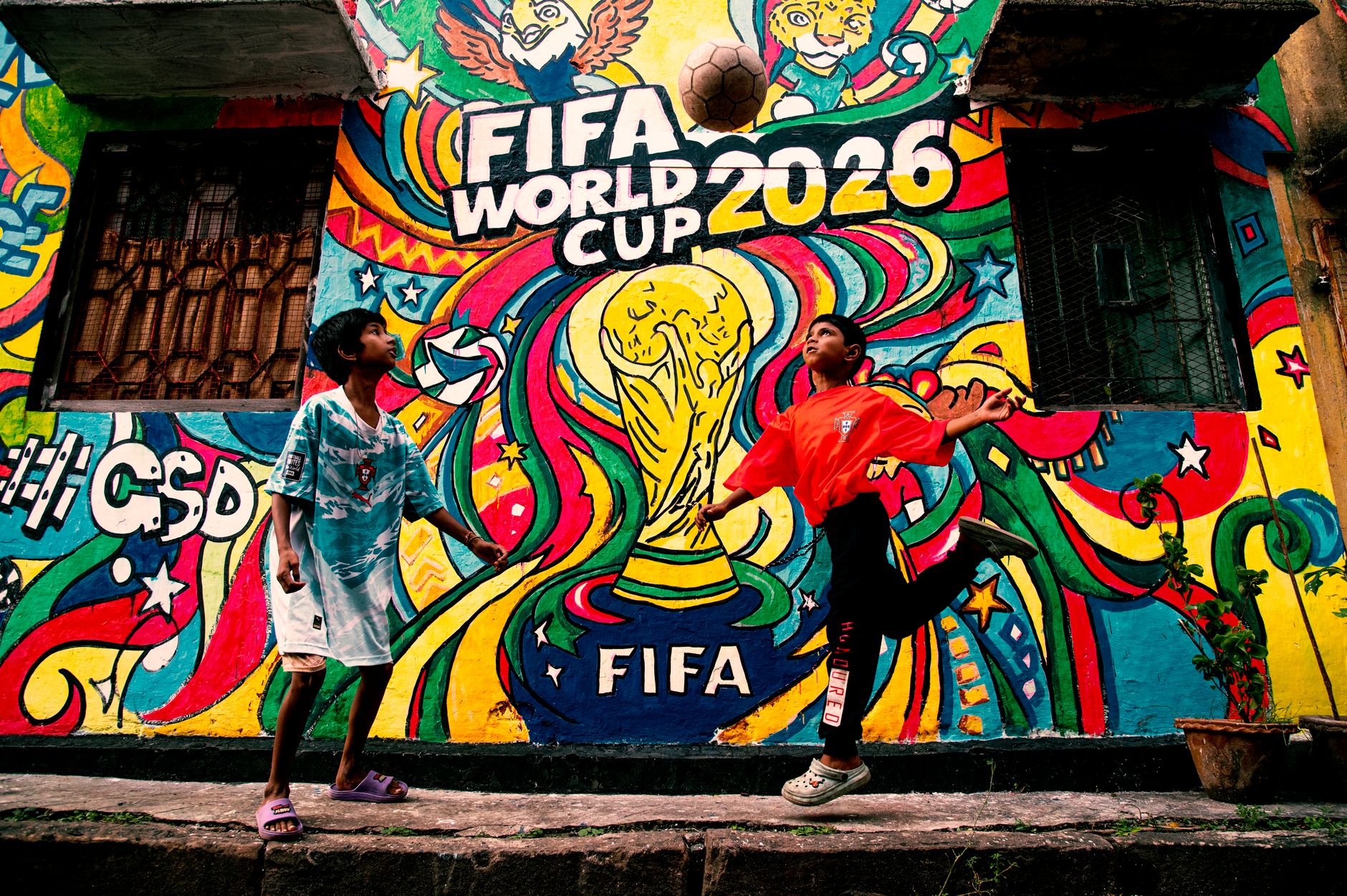
When comparing cricket to football, the numbers tell a stark story. Football's World Cup reaches virtually every nation on earth, with over 200 countries participating in qualifying rounds. Cricket's international presence, while substantial, remains concentrated in former British Commonwealth nations and the Indian subcontinent.
The revenue figures further illustrate this gap. FIFA's World Cup generates billions in broadcasting rights and sponsorships from a truly global audience. Cricket's primary financial engine remains the Indian market, which accounts for approximately 70-80 percent of global cricket revenue. This heavy dependence on one geographic region, though lucrative, limits cricket's claim to universal sporting dominance.
The India Factor in Cricket's Economics
India's overwhelming influence on cricket's finances creates both opportunities and challenges. The massive Indian audience ensures enormous broadcasting deals and sponsor interest, making cricket's top players among the world's highest-paid athletes. The Indian Premier League alone has transformed cricket's economic landscape, offering contracts that rival or exceed international cricket earnings.
However, this concentration also means cricket's fortunes are closely tied to Indian market conditions and preferences. Tournament scheduling, format decisions, and even playing conditions often prioritize Indian broadcast timings and viewer preferences, sometimes at the expense of developing cricket in new markets.
Barriers to Cricket's Global Expansion
Several fundamental factors limit cricket's ability to match football's worldwide penetration. The sport requires specialized infrastructure, including properly maintained pitches and expensive equipment. A cricket match, even in its shortest format, demands several hours of commitment from players and spectators alike, compared to football's 90-minute games.
The complexity of cricket's rules presents another hurdle. While football's basic premise can be grasped in minutes, cricket's intricate regulations regarding LBWs, playing conditions, and scoring systems create a steep learning curve for newcomers. This complexity makes cricket less accessible in regions without established cricket cultures.
Can Cricket Ever Match Football's Global Status?
Despite these challenges, cricket continues to innovate. The introduction of Twenty20 cricket has made the game more accessible and television-friendly. Efforts to expand into non-traditional markets like the United States, with Major League Cricket, show ambition. The sport's inclusion in the 2028 Los Angeles Olympics could provide a significant breakthrough moment.
The Champions Trophy itself represents cricket's attempt to maintain prestige while acknowledging practical limitations. By keeping the tournament compact and elite, cricket creates a different kind of spectacle—one focused on quality over quantity, featuring only the very best teams in high-stakes encounters.
The Reality of Two Different Sporting Worlds
Rather than viewing cricket and football as direct competitors, perhaps the more realistic perspective acknowledges they occupy different spheres. Football's World Cup represents a truly universal celebration that transcends sports. Cricket's major tournaments, while enormously significant in cricket-playing nations, represent something more regionally concentrated but no less passionate.
For the billions of cricket fans across South Asia, Australia, England, and the Caribbean, tournaments like the Champions Trophy carry immense cultural weight. The economic power generated by cricket in these markets rivals any sport globally, even if geographic spread remains limited.
The question may not be whether cricket can match football's World Cup model, but whether it needs to. Cricket has carved out a highly successful niche, generating enormous revenues and cultural impact within its established markets while gradually expanding its footprint through innovative formats and strategic expansion efforts.