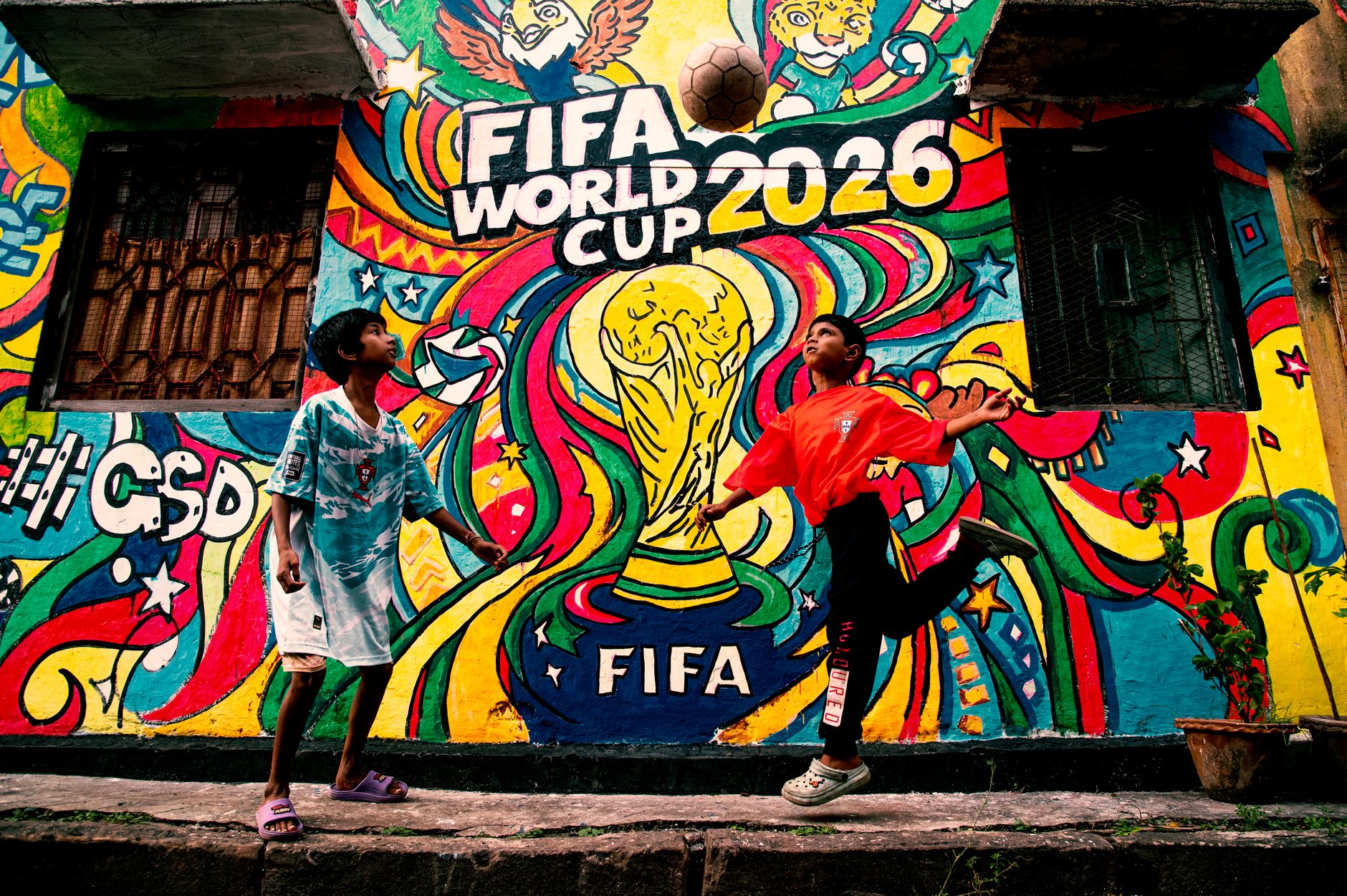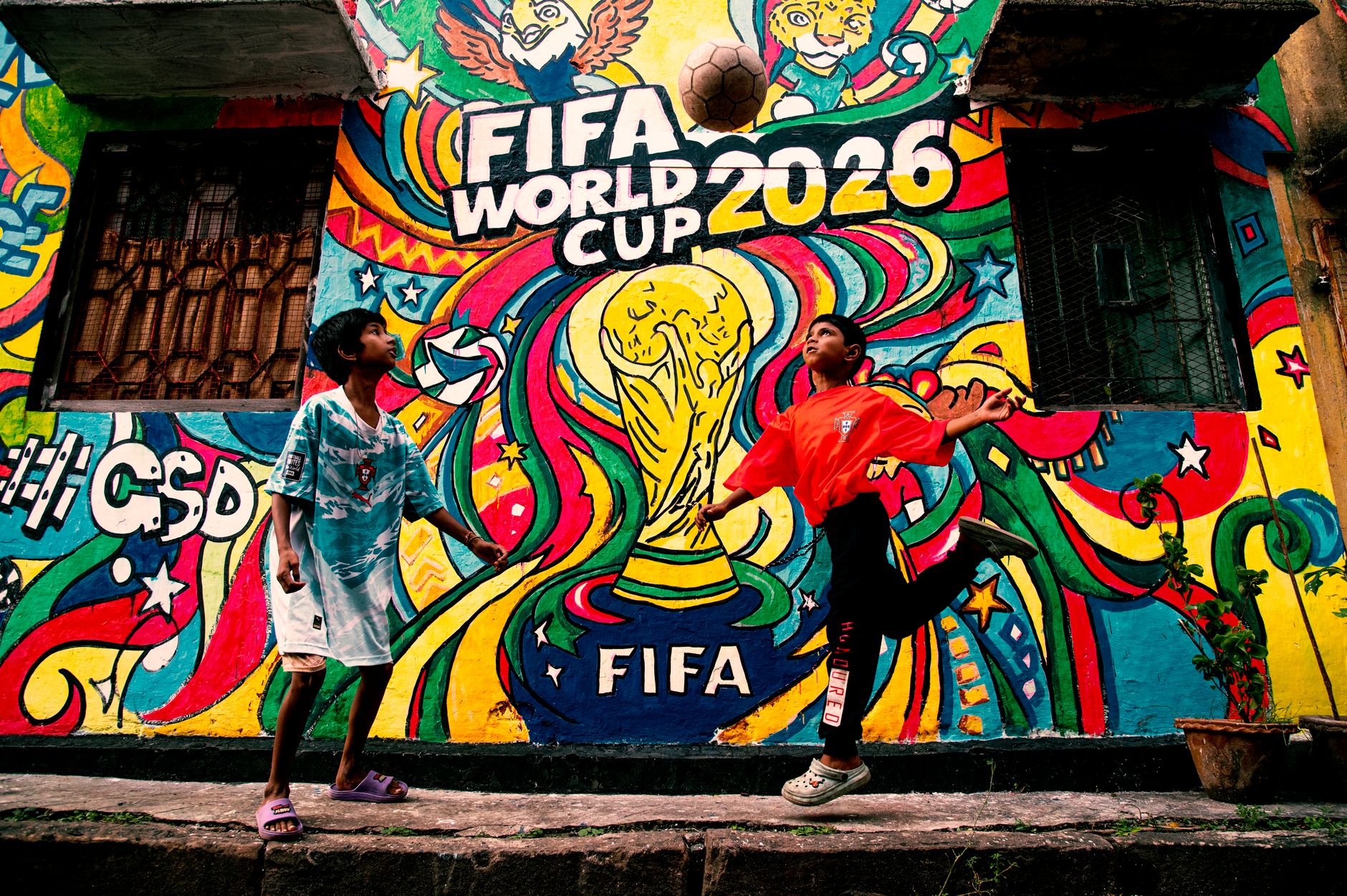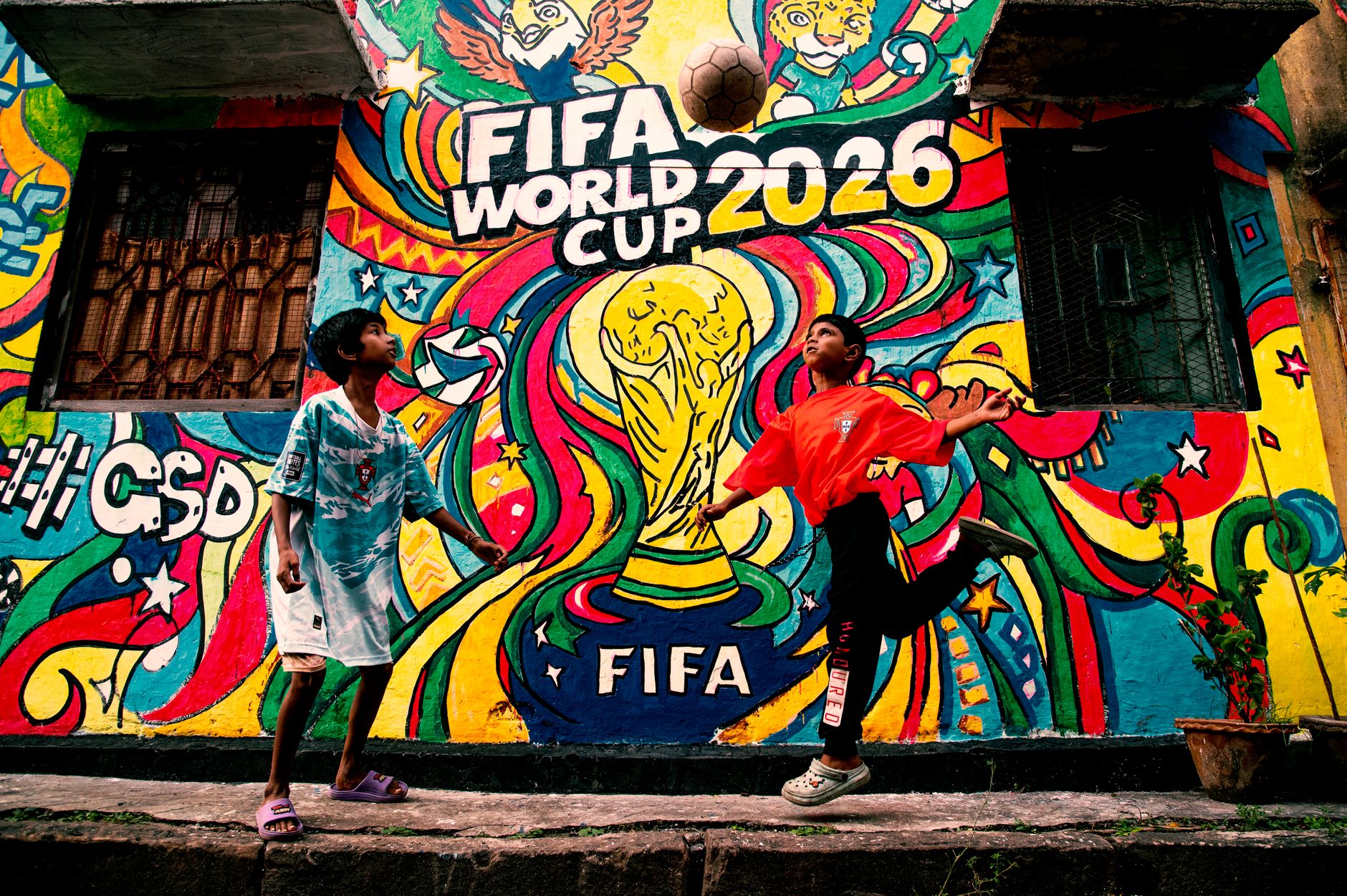
For decades, cricket has been more than just a sport in India—it's been a religion, a unifying force, and an obsession that transcends age, class, and geography. But as the FIFA World Cup captivates millions with its all-night viewing parties and passionate fan engagement, a new conversation has emerged: Can football finally give cricket a run for its money in the world's second-most populous nation?
The Cricket Stranglehold on Indian Sports
Cricket's dominance in India is unparalleled. The Indian Premier League commands viewership numbers that rival global sporting events, and cricketers enjoy celebrity status comparable to Bollywood stars. Children grow up dreaming of wearing the blue jersey, and streets empty when India plays a crucial match. This cultural phenomenon has deep roots—colonial history, early international success, and aggressive marketing have all contributed to cricket's untouchable position in Indian sports culture.
Football's Growing Footprint
Despite cricket's overwhelming popularity, football has been quietly building its fan base in India. The FIFA World Cup, held every four years, has become a cultural event that draws even casual sports fans. Cities across India witness spontaneous gatherings at sports bars, cafes, and homes, where groups of friends stay up through the night to watch matches broadcast from different time zones.
The Indian Super League, launched in 2014, has helped domesticate football enthusiasm. International football clubs like Manchester United, Barcelona, and Real Madrid have cultivated dedicated Indian fan bases, with supporters' clubs organizing viewing parties and engaging in spirited debates about their favorite teams and players.
The Time Zone Challenge and Community Bonding
One unique aspect of World Cup football in India is the timing. Matches often occur late at night or in the early morning hours due to time zone differences, creating a distinctive viewing culture. These odd hours have paradoxically strengthened football's appeal—the shared experience of staying up all night, the camaraderie of watching with friends, and the ritualistic nature of these gatherings have created memorable experiences that cricket, typically played during more convenient hours, doesn't always offer.
Key Factors Driving Football's Growth
Several elements contribute to football's rising popularity:
- Increased television and digital streaming accessibility making international leagues readily available
- Social media creating global fan communities and real-time engagement opportunities
- Successful marketing campaigns by international clubs targeting Indian audiences
- Growing urbanization and exposure to global sports culture
- The appeal of football's continuous action and relatively shorter match duration compared to cricket
- Celebrity endorsements and brand associations with popular football leagues
The Reality Check
Despite football's growth trajectory, cricket still maintains an insurmountable lead. Cricket viewership numbers dwarf football's in India. The Board of Control for Cricket in India remains the world's richest cricket board, and cricket broadcasting rights command astronomical prices. Indian football infrastructure, grassroots development, and the national team's performance lag significantly behind cricketing achievements.
Football faces structural challenges too. India ranks poorly in FIFA world rankings, and the national team rarely qualifies for major tournaments. Without homegrown success stories comparable to cricket's World Cup victories or consistent international performances, football struggles to capture sustained mainstream attention beyond the World Cup's quadrennial excitement.
A Complementary Relationship
Rather than replacing cricket, football appears to be carving out its own space in India's sporting landscape. The two sports attract overlapping but distinct demographics. Cricket remains the default choice for most Indians, but football offers an alternative, particularly appealing to younger, urban audiences seeking connection with global sports culture.
The late-night World Cup viewing parties represent more than just sports consumption—they're social events, cultural phenomena, and expressions of global citizenship. They demonstrate that Indian sports fans have room in their hearts for multiple passions.
The Verdict
While football's growth in India is undeniable and encouraging, expecting it to match cricket's fever-pitch popularity remains unrealistic in the near future. Cricket's century-long head start, combined with continuous success and massive institutional support, has created an ecosystem that football cannot replicate overnight.
However, football doesn't need to overtake cricket to be successful. Its steady growth, passionate fan communities, and the unique culture surrounding World Cup viewing parties indicate a healthy, sustainable interest. As India's sports culture matures and diversifies, there's space for multiple sporting passions to coexist—and that diversity ultimately benefits Indian sports fans and the broader sporting ecosystem.