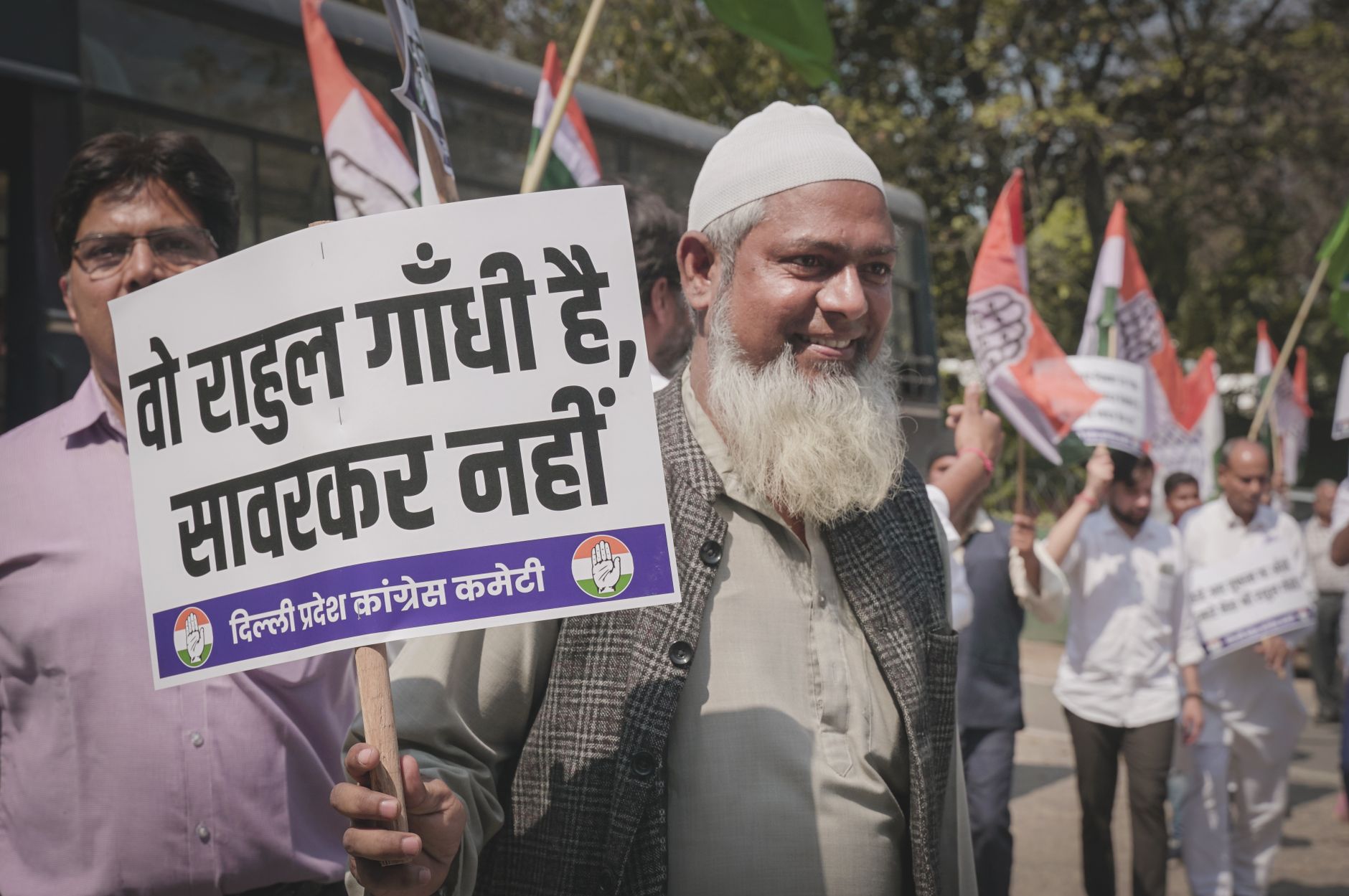
India's political establishment is facing an unprecedented challenge from a rapidly growing youth movement that is leveraging digital platforms, grassroots networks, and unconventional organizing methods to demand change. This emerging force represents a significant shift in how political engagement happens in the world's largest democracy.
The Demographics Driving Change
India has one of the youngest populations globally, with over 65 percent of its citizens below the age of 35. This demographic dividend translates into approximately 600 million young people who are increasingly politically aware and frustrated with traditional governance models. Unlike previous generations, these young Indians have grown up with smartphones, social media access, and exposure to global movements for social justice and political reform.
The youth demographic is not just large but also diverse, spanning urban professionals, rural agricultural workers, students, and young entrepreneurs. What unites them is a shared dissatisfaction with unemployment rates, corruption, environmental degradation, and what many perceive as outdated political priorities.
Digital Activism and Grassroots Organization
Social media platforms have become the primary organizing tool for youth movements across India. WhatsApp groups, Instagram campaigns, and Twitter hashtags allow rapid mobilization around issues ranging from climate action to educational reform. These digital tools have democratized political participation, enabling young people without traditional political connections to build followings and influence public discourse.
The metaphor of cockroaches coming together speaks to the power of collective action by individuals who might seem insignificant alone but become formidable when united. Young activists are applying this principle by creating decentralized networks that are harder for established political parties to co-opt or suppress.
Key Issues Driving Youth Engagement
Several critical issues have catalyzed youth political activism in India. Employment remains paramount, with educated young people facing limited job opportunities despite possessing professional qualifications. Climate change has also emerged as a galvanizing issue, particularly as India experiences increasingly severe weather events affecting both urban and rural communities.
Social justice concerns, including caste discrimination, gender equality, and religious harmony, resonate strongly with younger Indians who often hold more progressive views than their elders. Education reform, healthcare access, and digital infrastructure development are additional priorities that distinguish youth political demands from traditional party platforms.
Challenges to Traditional Political Structures
Established political parties across the ideological spectrum are grappling with how to respond to these youth movements. Traditional patronage networks and dynasty politics hold less appeal for young voters who value meritocracy and transparency. The rigid hierarchies within most major parties leave little room for rapid advancement of young leaders with fresh perspectives.
Youth movements often operate outside formal party structures, making them unpredictable and difficult to manage through conventional political tactics. This independence allows for issue-based coalitions that cut across traditional political, religious, and caste divisions that have long defined Indian electoral politics.
Electoral Impact and Future Implications
The electoral impact of youth mobilization is already visible in urban constituencies where young voter turnout has increased significantly. Social media campaigns can rapidly shift public opinion on candidates or policies, forcing political parties to become more responsive to youth concerns.
Several regional parties have attempted to incorporate youth leaders and adopt digital-first campaign strategies. However, meaningful policy changes addressing youth priorities have been slower to materialize, creating ongoing tension between young activists and political establishments.
The Path Forward
The sustainability of youth political movements in India depends on their ability to translate enthusiasm into institutional change. This requires building lasting organizational structures, developing policy expertise, and potentially entering formal politics while maintaining grassroots credibility.
International examples of youth political movements offer both encouragement and cautionary tales. Success will likely depend on maintaining ideological flexibility while building coalitions broad enough to effect change in India's complex political landscape.
The coming years will reveal whether this youth movement represents a temporary phenomenon or a fundamental realignment of Indian politics. What seems certain is that political parties ignoring these voices do so at their peril, as demographic trends ensure young voters will only grow more influential in shaping India's democratic future.