The political landscape of India has undergone a historic shift with the left-wing parties losing control of their final state government, ending an unbroken presence in power that stretched back more than fifty years. This development marks a significant milestone in the evolution of Indian democracy and reflects broader changes in the country's political preferences.
The Historical Significance
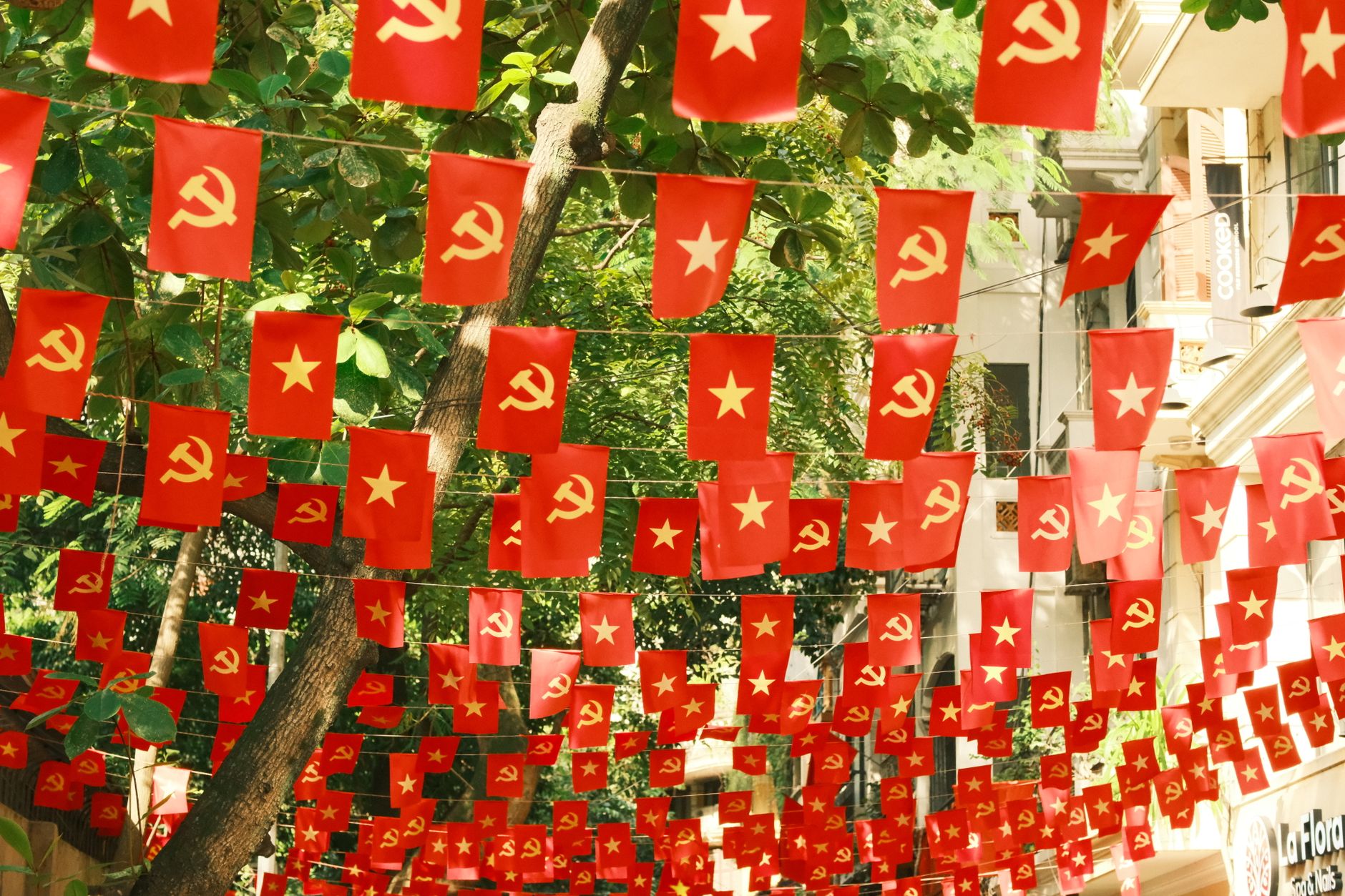
India's communist and left-wing parties have been a fixture in the country's political system since independence. The Communist Party of India was formed in 1925, and its various offshoots have played crucial roles in shaping labour rights, land reforms, and social welfare policies across the nation. For decades, states like West Bengal, Kerala, and Tripura served as bastions of left-wing governance, implementing policies focused on land redistribution, worker protections, and public education.
Kerala and West Bengal became particularly synonymous with left-wing rule. West Bengal was governed by the Left Front, led by the Communist Party of India (Marxist), for an unprecedented 34 consecutive years from 1977 to 2011. Kerala has alternated between left and centre-right coalitions, with the Left Democratic Front winning multiple terms. Tripura also experienced extended periods of communist rule.
Reasons Behind the Decline
Several factors have contributed to the erosion of left-wing support across India. Economic liberalization, which accelerated in the 1990s, shifted the national discourse toward market-friendly policies and economic growth, areas where traditional left parties struggled to adapt their messaging. Younger voters, particularly in urban areas, have gravitated toward parties promising development, infrastructure, and employment opportunities rather than traditional class-based politics.
The left parties have also faced criticism for becoming entrenched and resistant to change in areas where they held power for extended periods. Issues such as bureaucratic inefficiency, resistance to industrial development, and internal party disputes have weakened their appeal. Additionally, the rise of regional parties and the dominance of national parties like the Bharatiya Janata Party and Indian National Congress have squeezed the political space available to smaller ideological parties.
Impact on Policy and Governance
The absence of left-wing governments at the state level represents a significant shift in India's political diversity. Historically, states governed by left parties served as laboratories for progressive policies, including comprehensive public distribution systems, strong labour protections, and emphasis on literacy and healthcare. These states often achieved superior performance in social indicators compared to the national average.
Without representation in state governments, left parties will find it harder to demonstrate the practical application of their policies and ideology. Their influence will now be limited primarily to their role as opposition parties in legislatures and their presence in trade unions and social movements.
The Path Forward for Left Politics
The challenge for India's left-wing parties is not merely electoral but ideological. They must find ways to remain relevant in a rapidly changing economy where traditional industrial labour is declining and service sector employment is growing. The parties need to address contemporary concerns such as climate change, digital rights, income inequality in the gig economy, and social justice issues while maintaining their core principles.
Some political analysts suggest that left parties could reinvent themselves by forming broader coalitions, focusing on specific issues like economic inequality and corporate accountability, and leveraging their organizational strength at the grassroots level. Their extensive network of trade unions, student organizations, and civil society groups remains an asset.
Regional Variations Continue
While left parties may have lost state governments, they continue to maintain significant presence in certain regions. In Kerala, the Left Democratic Front remains competitive and has recently been in power. In other states, left parties continue to influence politics through their participation in opposition alliances and their ability to mobilize workers and students.
The end of left-wing state governments does not necessarily mean the end of leftist politics in India. Social movements, labour organizations, and civil society groups inspired by left-wing ideology continue to play important roles in advocating for workers' rights, environmental protection, and social equality.
This political transition reflects India's dynamic democracy, where voter preferences continue to evolve based on changing economic conditions, generational shifts, and competing visions for the country's future. Whether this marks a temporary setback or a permanent decline for organized left politics in India remains to be seen.