Guangzhou Baiyun International Airport has long been one of China's busiest aviation gateways, but the recent completion of its Terminal 3 has elevated the facility into the realm of architectural masterpieces. As global air travel rebounds and competition among major hubs intensifies, airports worldwide are investing heavily in infrastructure that goes beyond mere functionality to offer passengers memorable visual experiences.
A New Standard in Airport Design
Terminal 3 at Guangzhou Baiyun represents a significant leap forward in airport architecture. The structure spans an impressive area designed to handle tens of millions of passengers annually, incorporating vast open spaces flooded with natural light. The terminal's roof design features sweeping curves that echo traditional Chinese architectural motifs while employing modern engineering techniques to create column-free spaces that enhance passenger flow and sightlines.
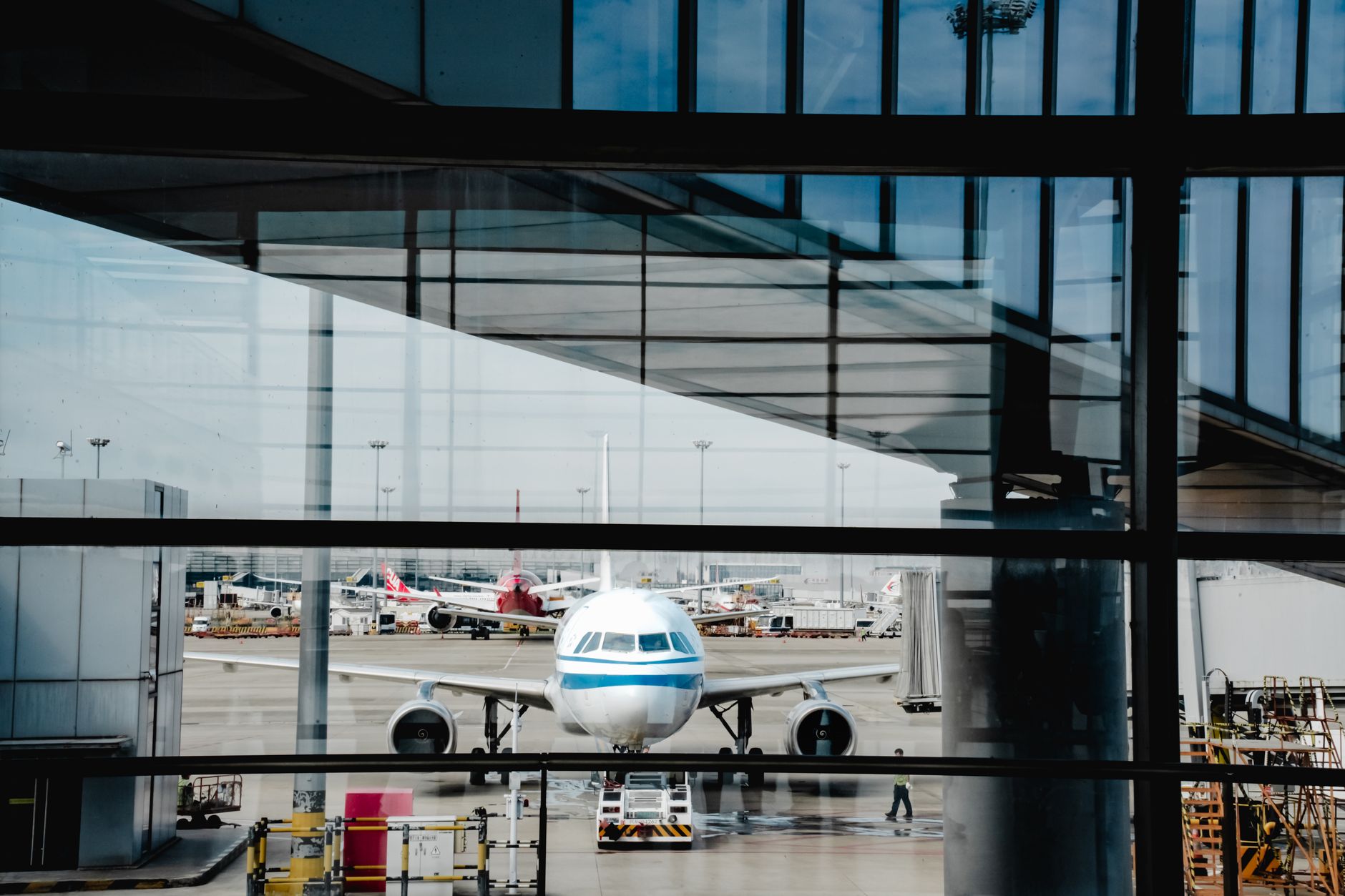
The terminal's exterior facade showcases a harmonious blend of glass and steel, allowing daylight to penetrate deep into the building while maintaining energy efficiency through advanced climate control systems. This approach reduces reliance on artificial lighting during daylight hours, contributing to sustainability goals increasingly important in modern infrastructure projects.
Cultural Integration and Passenger Experience
What distinguishes Guangzhou Baiyun Terminal 3 from many contemporary airports is its thoughtful integration of local cultural elements. The design team incorporated references to Guangdong province's rich heritage, including artistic installations that celebrate the region's history as a major trading port and cultural crossroads. Passengers moving through the terminal encounter landscaped gardens featuring native plants, water features inspired by traditional Chinese garden design, and digital art displays showcasing both historical and contemporary Chinese culture.
The terminal layout prioritizes passenger convenience with intuitive wayfinding systems, reduced walking distances between gates, and strategically positioned amenities. Retail and dining options reflect both international brands and local Cantonese specialties, offering travelers a taste of regional cuisine before their departure or upon arrival.
Technology and Efficiency
Beyond aesthetics, Terminal 3 incorporates cutting-edge technology to streamline the travel experience. Advanced biometric screening systems, automated baggage handling, and real-time flight information displays work together to reduce processing times and minimize passenger stress. The terminal features numerous self-service kiosks for check-in, bag drop, and immigration procedures, reflecting the industry's broader shift toward contactless and efficient passenger processing.
The facility also includes sophisticated air quality management systems, particularly relevant in the post-pandemic era, with enhanced filtration and circulation designed to maintain healthy indoor environments even during peak traffic periods.
Global Competition Among Airport Hubs
Guangzhou Baiyun Terminal 3 enters a competitive field of visually striking airports worldwide. Singapore's Changi Airport has long been celebrated for its indoor gardens and entertainment options, while Beijing Daxing International Airport, designed by the late Zaha Hadid, features a dramatic starfish-shaped design. Istanbul Airport, Hamad International Airport in Doha, and Incheon International Airport in South Korea have all invested billions in creating memorable passenger experiences that extend beyond basic transportation needs.
These investments reflect the recognition that modern airports serve as important first and last impressions of their cities and countries. They function as economic engines, generating employment, facilitating trade, and contributing to tourism industries. A beautiful, efficient airport can influence airline routing decisions, business location choices, and traveler preferences.
Economic and Regional Impact
The completion of Terminal 3 positions Guangzhou more competitively within the Pearl River Delta region, which includes Hong Kong and Shenzhen. As these cities vie for aviation traffic, infrastructure quality becomes a key differentiator. The expanded capacity allows Guangzhou to accommodate growing domestic Chinese travel demand while also strengthening international connections, particularly with Southeast Asia, Europe, and Africa.
The construction project itself generated thousands of jobs and showcased Chinese expertise in large-scale infrastructure development, an area where the country has established global leadership over recent decades.
Looking Forward
As air travel continues evolving, airports like Guangzhou Baiyun Terminal 3 demonstrate that functionality and beauty need not be mutually exclusive. The terminal sets a benchmark for future aviation infrastructure projects, proving that passenger experience, operational efficiency, environmental responsibility, and aesthetic achievement can coexist in a single facility. For travelers passing through Guangzhou, the terminal offers more than just a place to catch a flight—it provides an architectural experience that reflects both China's technological advancement and its cultural depth.