The international boxing landscape has witnessed a notable policy reversal as World Boxing, the sport's emerging governing body, has announced the restoration of Russian athletes' rights to compete under their national flag and anthem at international competitions. This decision marks a departure from the widespread sporting restrictions that have been in place since 2022.
Background of Athletic Restrictions
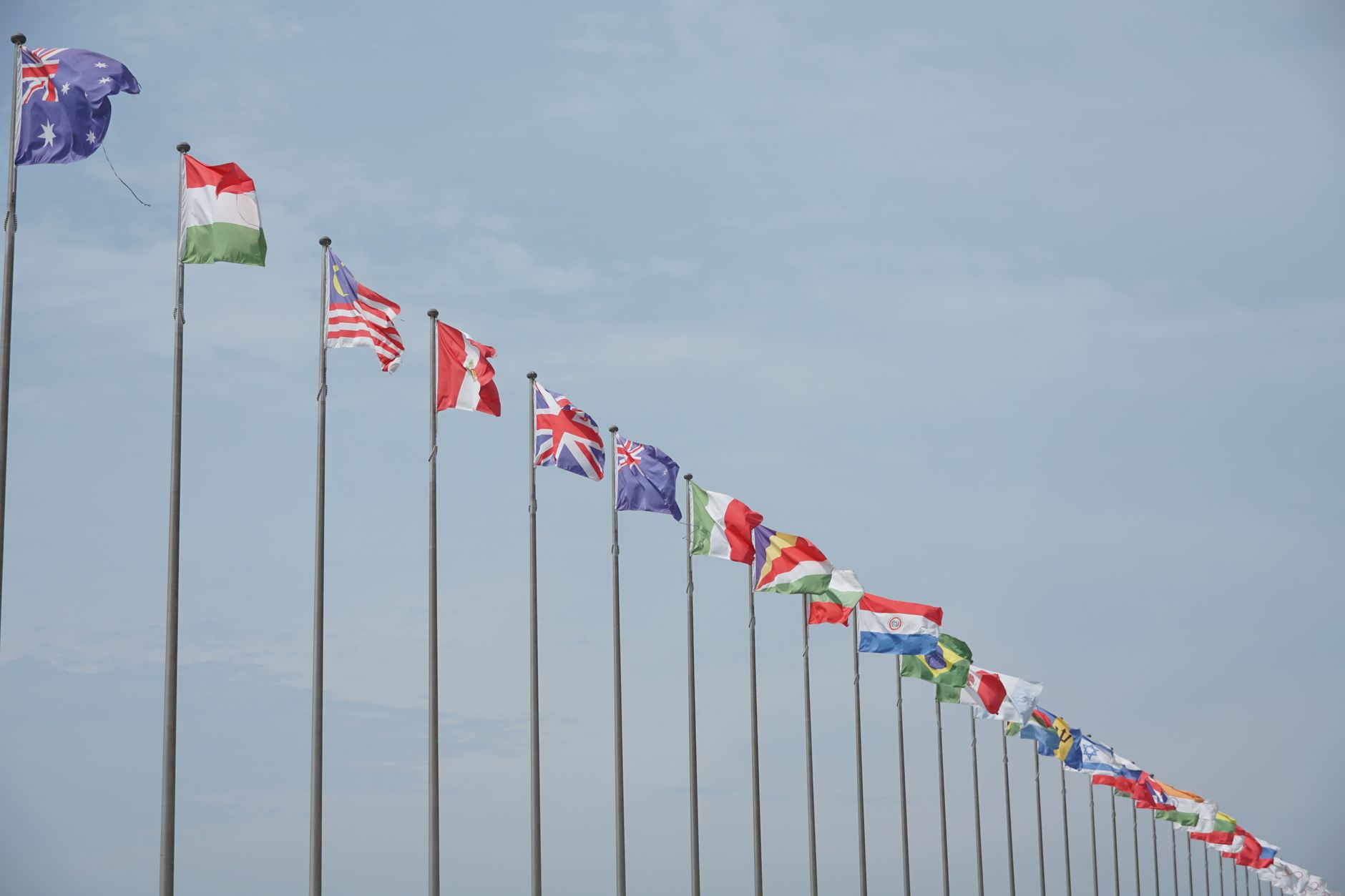
Following the escalation of geopolitical tensions in Eastern Europe, numerous international sporting bodies implemented restrictions on Russian and Belarusian athletes. These measures typically required competitors from these nations to participate as neutral athletes, without their national symbols, flags, or anthems being displayed or played during events.
Major organizations including the International Olympic Committee had recommended such restrictions, leading to a cascade of similar policies across various sports federations. Athletes were often required to compete under designations such as "neutral athlete" or under alternative organizational banners.
World Boxing's Position
World Boxing, which emerged as an alternative governing body to the International Boxing Association, has taken a distinct approach with this recent announcement. The organization has determined that Russian boxers will once again be permitted to:
- Compete under the Russian national flag
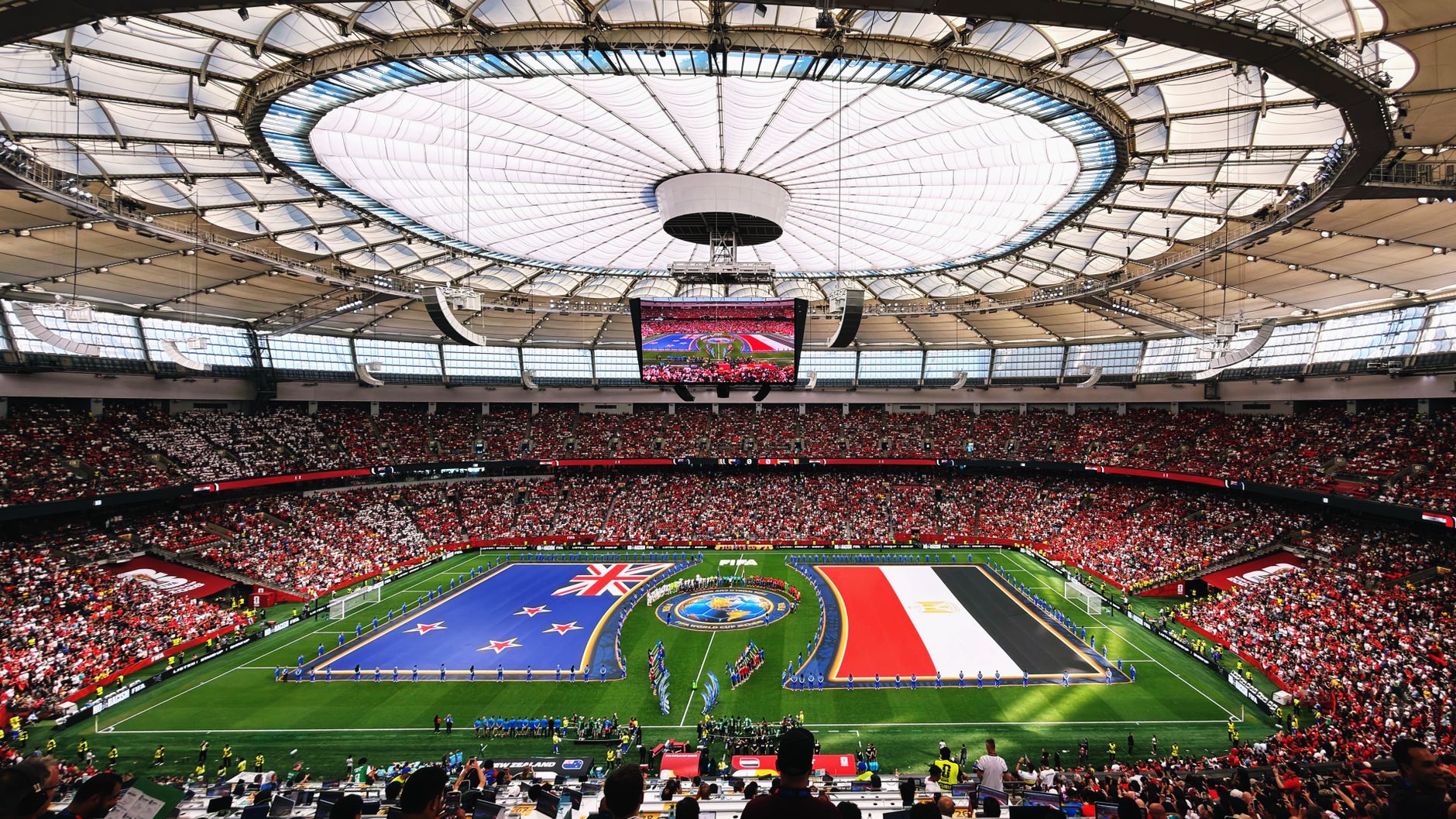
- Have the Russian national anthem played during medal ceremonies
- Represent Russia officially in international boxing competitions
- Wear national team uniforms bearing Russian insignia
This decision applies specifically to competitions sanctioned by World Boxing and does not automatically extend to other sporting organizations or multi-sport events like the Olympic Games.
Implications for International Sport
The restoration of Russian representation in World Boxing competitions raises several important considerations for the broader international sporting community. This move could potentially influence other federations to reconsider their own policies, or conversely, could further fragment the already complex landscape of international sports governance.
The decision highlights the ongoing tension between sports organizations regarding how to balance political considerations with the principle that sport should remain separate from politics. World Boxing's approach suggests a belief that individual athletes should not be penalized for geopolitical circumstances beyond their control.
Reactions from the Athletic Community
The announcement has generated mixed responses from various stakeholders in the international boxing community. Some athletes and officials have welcomed the decision as a return to sporting normalcy and fairness for competitors who have trained for years to represent their country.
Others, however, have expressed concern that such moves could undermine the unified stance taken by much of the international sporting community. Critics argue that maintaining restrictions sends an important message about international norms and solidarity.
Impact on Olympic Qualification
One crucial question arising from this decision concerns its potential impact on Olympic qualification pathways. The International Olympic Committee maintains its own policies regarding athlete participation in the Olympic Games, which may differ from those of individual sporting federations.
Athletes competing under their national flag in World Boxing events may still face restrictions or different requirements when it comes to Olympic qualification or participation. This creates a complex situation where the rules governing competition may vary significantly depending on the specific event.
The Future of International Boxing Governance
This development occurs against the backdrop of broader governance issues within international boxing. The emergence of World Boxing as an organization separate from the traditional international federation reflects ongoing disputes about the administration, transparency, and future direction of the sport.
The decision regarding Russian representation may be viewed as part of World Boxing's efforts to establish its own identity and attract member federations and athletes. How this approach affects the organization's credibility and international recognition remains to be seen.
What This Means for Athletes
For Russian boxers specifically, this decision provides an opportunity to compete with full national recognition in World Boxing-sanctioned events. This could affect their training focus, competition schedules, and long-term career planning.
Athletes from other nations competing in these events will need to adapt to facing opponents representing Russia under full national symbols, which may carry both sporting and psychological dimensions.
The evolving nature of international sports governance means that policies may continue to shift as organizations navigate the intersection of athletics, politics, and international relations. Athletes, coaches, and national federations will need to stay informed about which rules apply to which competitions as the sporting landscape continues to adapt to complex global circumstances.