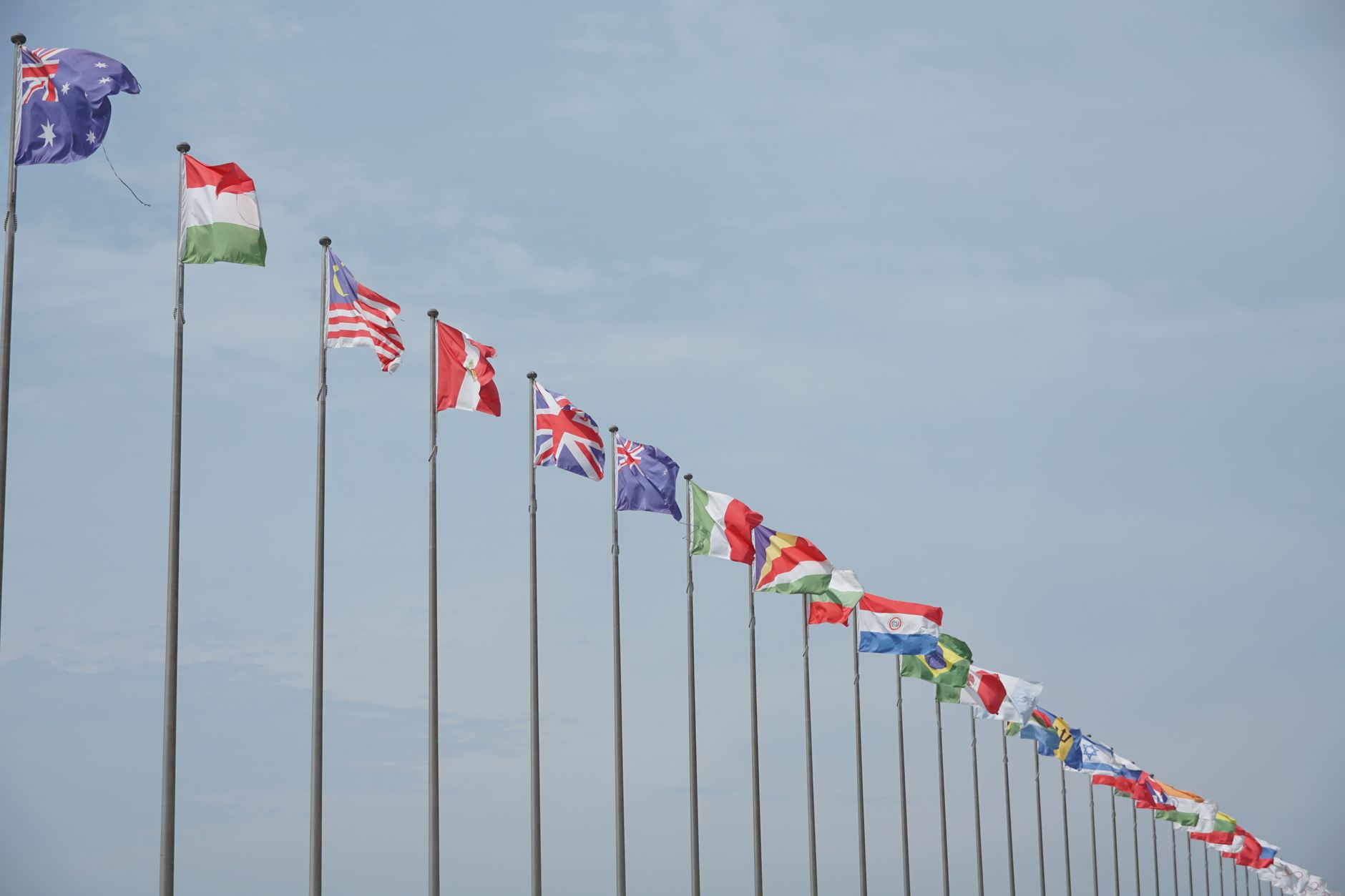
Foreign policy represents the strategies and decisions nations make when dealing with other countries. While it might seem distant from daily life, these international relationships directly affect everything from grocery prices to job opportunities and national security.
What Is Foreign Policy?
Foreign policy encompasses all the ways a government engages with other nations and international organizations. This includes diplomatic relations, trade agreements, military alliances, humanitarian aid, and responses to global challenges like climate change or pandemics.
Every country develops its foreign policy based on national interests, which typically include security, economic prosperity, and the promotion of certain values or ideologies. India, for instance, has historically maintained a non-aligned stance while building strategic partnerships with multiple nations to secure its interests.
Key Components of Foreign Policy
- Diplomacy and bilateral relations between countries
- International trade agreements and economic partnerships
- Defense alliances and military cooperation
- Cultural exchanges and soft power initiatives
- Development assistance and humanitarian aid
- Participation in international organizations like the United Nations
Why Foreign Policy Matters to You
The decisions made in foreign ministries and international summits have tangible impacts on ordinary citizens. Trade agreements determine which products are available and at what prices. For Indian consumers, foreign policy decisions affect everything from smartphone costs to fuel prices at the pump.
When India negotiates free trade agreements, it opens markets for domestic businesses while potentially lowering prices for imported goods. Conversely, trade disputes can lead to tariffs that make imported products more expensive.
Economic Implications
Foreign policy directly influences investment flows and job creation. When a country maintains stable relations with major economies, it attracts foreign investment, which creates employment opportunities. India's diplomatic engagement with countries worldwide has helped position it as a manufacturing hub and technology services provider.
Exchange rates, heavily influenced by geopolitical stability and international confidence, affect anyone traveling abroad, studying overseas, or purchasing imported goods. A strong foreign policy that maintains global confidence can help stabilize currency values.
Security Considerations
National security remains a primary driver of foreign policy. Defense partnerships, intelligence sharing agreements, and collective security arrangements protect citizens from external threats. India's participation in various regional forums and bilateral defense agreements contributes to regional stability.
For individuals, this translates to safer international travel, protection of citizens abroad, and reduced risks of conflicts that could disrupt daily life.
Challenges in Modern Foreign Policy
Today's interconnected world presents complex challenges. Climate change requires international cooperation regardless of political differences. Cybersecurity threats cross borders instantly. Pandemic responses demand coordinated global action.
Nations must balance competing interests—maintaining sovereignty while cooperating internationally, protecting domestic industries while benefiting from global trade, and promoting national values while respecting cultural differences.
India's Foreign Policy Approach
India's foreign policy has evolved significantly since independence. The country now engages actively with all major powers while maintaining strategic autonomy. India's growing economy and large diaspora community have increased its global influence and made its foreign policy choices more consequential.
The "Neighbourhood First" policy prioritizes relations with South Asian countries, while "Act East" focuses on Southeast Asian partnerships. Simultaneously, India maintains strategic partnerships with Western democracies, Russia, and Middle Eastern nations, demonstrating the complexity of modern foreign relations.
How Citizens Can Stay Informed
Understanding foreign policy helps citizens make informed decisions, whether voting in elections, making investment choices, or planning international activities. Following reputable news sources, understanding basic geopolitical trends, and recognizing how international events connect to domestic issues builds this awareness.
Foreign policy isn't just about distant governments negotiating in far-off capitals. It's about the framework that enables international cooperation, manages conflicts, and creates the conditions for prosperity and security. Every international relationship, trade deal, or diplomatic initiative has ripple effects that eventually touch individual lives, making foreign policy everyone's concern.