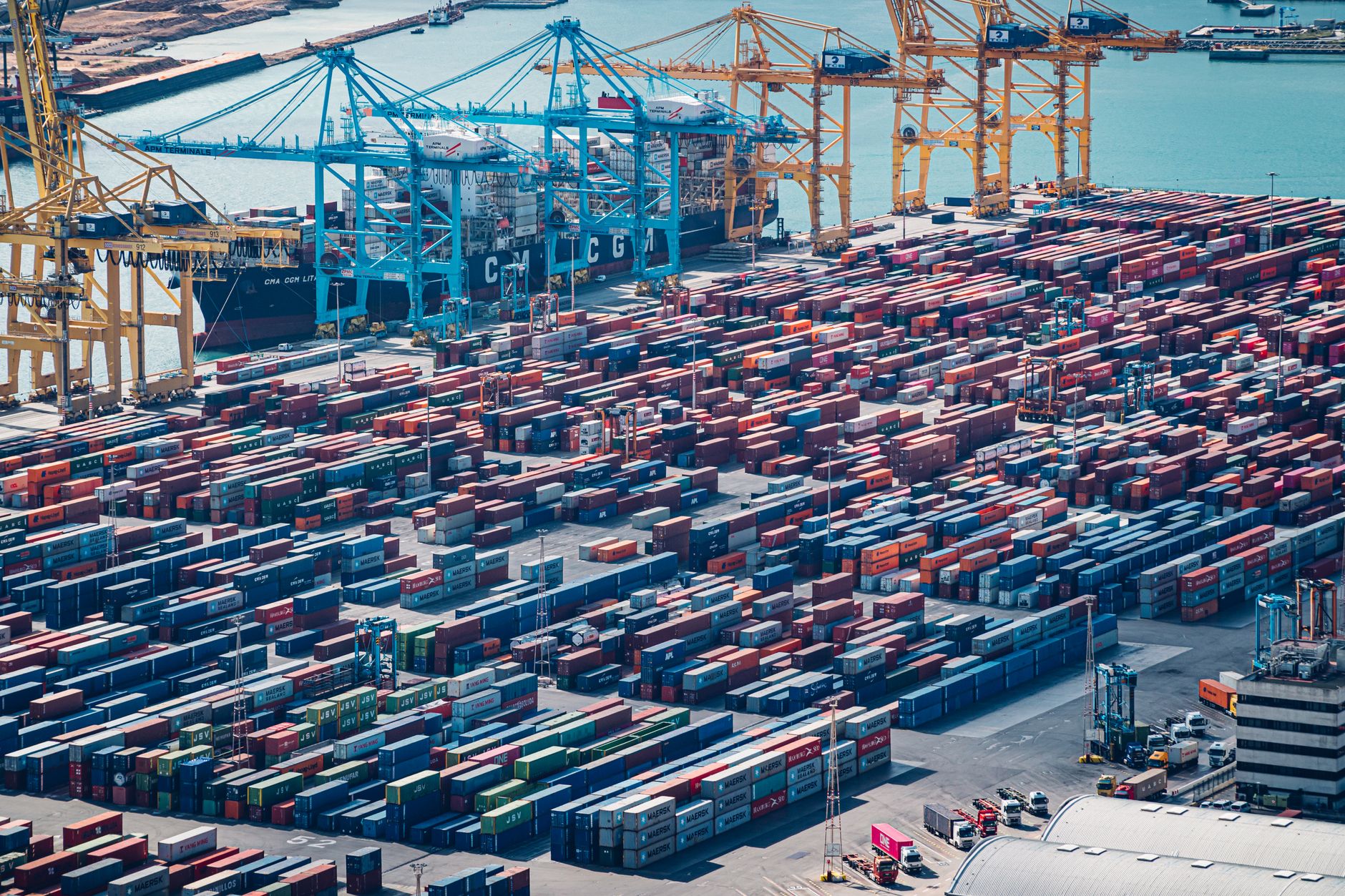
India finds itself at a pivotal moment in its economic journey, where the trade agreements it forges today will determine its competitiveness and resilience for decades to come. With global supply chains under strain, protectionist policies gaining traction in major economies, and geopolitical fault lines deepening, strategic trade partnerships have evolved from being merely advantageous to absolutely essential.
The Changing Global Trade Landscape
The international trading system that emerged after World War II is experiencing its most significant stress test in generations. Trade wars between major economies, the restructuring of supply chains following the pandemic, and regional conflicts have created an environment where predictable trade relationships cannot be taken for granted. For India, a nation with ambitious growth targets and a young population requiring employment opportunities, navigating this uncertainty through strategic trade partnerships has become imperative.
Traditional trade patterns are being redrawn as countries seek to reduce dependence on single suppliers and diversify their economic relationships. This presents both challenges and opportunities for India, which has historically been cautious about entering comprehensive trade agreements.
India's Recent Trade Agreement Push
India has notably accelerated its trade deal negotiations over the past few years, marking a shift from its previously conservative approach. The country has signed or is actively negotiating agreements with Australia, the United Kingdom, the European Union, and Canada, while also strengthening ties with ASEAN nations and Gulf countries.
These agreements go beyond traditional tariff reductions, encompassing services trade, investment protection, intellectual property rights, and digital commerce. For a service-oriented economy like India's, these comprehensive deals open doors for IT professionals, healthcare workers, and other skilled labour to access foreign markets more easily.
Economic Benefits and Strategic Advantages
The benefits of these trade agreements extend across multiple dimensions of India's economy:
- Enhanced market access for Indian goods and services in partner countries
- Reduction in tariff and non-tariff barriers that have historically limited exports
- Attraction of foreign investment through greater economic integration
- Technology transfer and knowledge sharing opportunities
- Strengthened bargaining power in multilateral forums
India's manufacturing sector, particularly under the Production Linked Incentive schemes, stands to gain substantially from preferential access to major markets. The textile, pharmaceutical, automotive, and electronics industries could see significant export growth if tariff barriers are reduced through strategic trade deals.
Geopolitical Considerations
Trade agreements are increasingly viewed through a geopolitical lens rather than purely economic terms. India's participation in initiatives like the Indo-Pacific Economic Framework reflects recognition that economic partnerships can serve strategic objectives, including balancing against the dominance of any single power in regional trade.
The reconfiguration of global supply chains, often termed "friend-shoring" or "ally-shoring," means countries are prioritizing trade with politically aligned partners. India's democratic credentials and strategic location position it favourably as companies and countries seek alternatives to over-concentrated supply networks.
Challenges and Concerns
Despite the opportunities, trade liberalisation raises legitimate concerns among various stakeholders in India. Agricultural communities worry about competition from imports, particularly from highly subsidised farming sectors abroad. Dairy farmers and certain manufacturing sectors have expressed apprehension about their ability to compete with cheaper imports.
Negotiating these deals requires careful balancing of offensive and defensive interests, protecting sensitive sectors while gaining meaningful access in areas where India has competitive advantages. The complexity of modern trade agreements, which include provisions on labour standards, environmental protection, and data localisation, adds layers of difficulty to negotiations.
The Path Forward
As global uncertainty persists, India's approach to trade agreements will need to be both pragmatic and strategic. This means identifying partners where complementarities exist, protecting genuinely vulnerable sectors while avoiding blanket protectionism, and ensuring that domestic reforms keep pace with international commitments.
The success of these trade deals will ultimately depend not just on what is negotiated, but on how effectively Indian businesses can leverage the opportunities created. This requires investment in trade infrastructure, simplification of export procedures, and support for small and medium enterprises to access foreign markets.
In an era where economic security is increasingly viewed as national security, India's trade agreements represent more than commercial arrangements—they are instruments of economic strategy and geopolitical positioning that will shape the nation's future prosperity and influence.