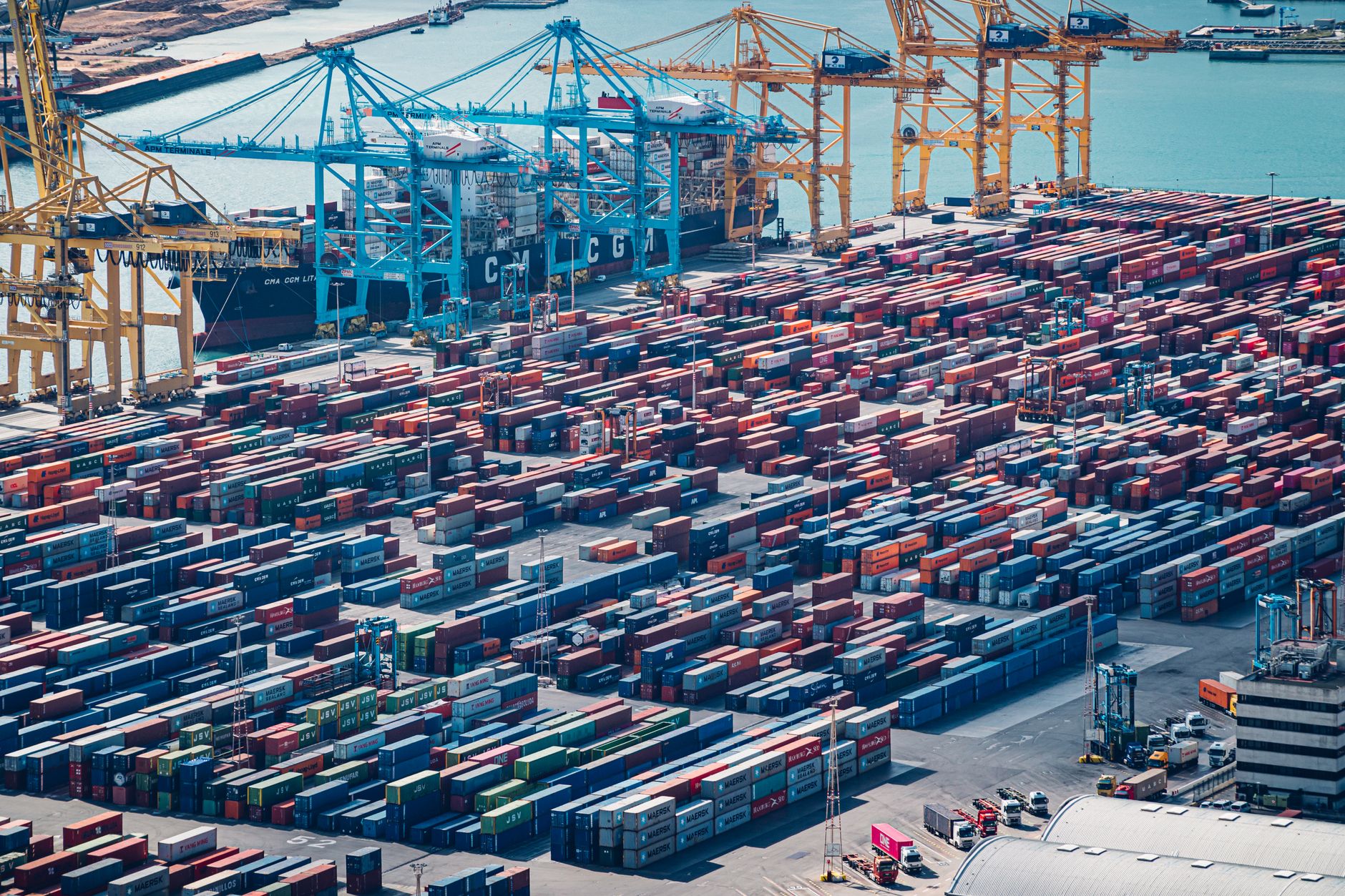
Ho Chi Minh City, Vietnam's largest economic center, is ramping up efforts to integrate local businesses into global supply chains as companies worldwide seek alternatives to traditional manufacturing hubs. This strategic push comes at a crucial time when multinational corporations are actively diversifying their production bases across Southeast Asia.
Vietnam's Strategic Position in Global Trade
Vietnam has emerged as one of the fastest-growing economies in Southeast Asia, attracting significant foreign direct investment over the past decade. Ho Chi Minh City, contributing approximately 23% of the nation's GDP, serves as the commercial heart of this transformation. The city's strategic location, improving infrastructure, and competitive labor costs have made it an attractive destination for companies looking to establish or expand their manufacturing footprint in the region.
The global supply chain landscape has undergone dramatic shifts in recent years, driven by geopolitical tensions, pandemic-related disruptions, and the push for supply chain resilience. These factors have accelerated the "China Plus One" strategy, where companies maintain operations in China while diversifying manufacturing to other countries. Vietnam has been a primary beneficiary of this trend, particularly in sectors like electronics, textiles, and consumer goods.
Key Support Measures for Business Integration
Municipal authorities are implementing comprehensive programs designed to bridge the gap between local enterprises and international buyers. These initiatives typically focus on several critical areas that determine a company's ability to participate in sophisticated global supply networks.
- Technical capability enhancement through training programs and technology transfer
- Quality certification assistance to meet international standards
- Financial support mechanisms including preferential loans and export credits
- Infrastructure improvements in industrial zones and logistics networks
- Administrative procedure simplification for export-oriented businesses
- Matchmaking platforms connecting local suppliers with foreign buyers
The emphasis on quality standards reflects the reality that participation in global supply chains requires adherence to strict specifications. International buyers demand consistent quality, reliable delivery schedules, and often expect suppliers to maintain certifications such as ISO standards, environmental compliance certificates, and industry-specific qualifications.
Sector-Specific Opportunities
Several industries stand to benefit particularly from enhanced supply chain integration. The electronics sector has seen remarkable growth, with major brands establishing assembly operations and encouraging local suppliers to provide components and accessories. The textile and garment industry, already a significant contributor to exports, can move up the value chain by improving design capabilities and fabric production.
Manufacturing of automotive parts, plastics, and processed agricultural products also presents opportunities for Vietnamese businesses. As global companies seek to shorten supply chains and reduce dependency on single-country sourcing, mid-sized cities like Ho Chi Minh City can capture segments of these supply networks by offering competitive advantages in specific niches.
Challenges and Competitive Landscape
Despite favorable conditions, Vietnamese businesses face several challenges in accessing global supply chains. Many small and medium enterprises lack the scale, technology, and management expertise required by international buyers. Language barriers, limited understanding of global business practices, and insufficient working capital can also hinder participation.
The city competes with other Southeast Asian manufacturing hubs including Thailand, Indonesia, and Malaysia, each offering distinct advantages. Thailand has more developed infrastructure and a skilled workforce in automotive manufacturing. Indonesia offers a massive domestic market alongside manufacturing capabilities. Success depends on differentiating through specialized capabilities, competitive pricing, and reliable execution.
Long-term Economic Implications
The integration of local businesses into global supply chains creates multiplier effects throughout the economy. Successful suppliers often upgrade their capabilities, invest in better technology, and improve worker skills. These improvements can spill over to other sectors, raising overall industrial competitiveness.
For India and other developing economies, Vietnam's approach offers valuable lessons. Active government facilitation, targeted infrastructure investment, and focus on specific industries can accelerate integration into global production networks. The experience demonstrates that middle-income countries can capture meaningful roles in sophisticated supply chains through strategic planning and consistent implementation.
The success of these initiatives will largely depend on execution quality and sustained commitment from both government agencies and the private sector. As global supply chains continue evolving, cities that effectively support their businesses in meeting international standards will secure long-term economic advantages in an increasingly competitive landscape.