British Columbia has unveiled an ambitious economic development strategy focused on leveraging Western Canada's collective strengths to drive job creation and prosperity. This initiative comes at a crucial time when provinces are seeking to diversify their economies and create resilient employment opportunities in a rapidly changing global marketplace.
Understanding the Western Economic Vision
The strategy recognizes that Western Canada possesses unique advantages including abundant natural resources, strategic Pacific gateway access, a skilled workforce, and growing technology sectors. By coordinating efforts across British Columbia, Alberta, Saskatchewan, and Manitoba, the region can amplify its competitive position both nationally and internationally.
This approach reflects a shift from isolated provincial planning to integrated regional economic development. The model emphasizes collaboration over competition, recognizing that a prosperous Western Canada benefits all provinces through increased trade, shared infrastructure, and knowledge transfer.
Key Sectors Driving Growth
Several industries form the backbone of this economic strategy. The natural resources sector, including forestry, mining, and energy, continues to provide substantial employment while evolving to meet sustainability standards. Technology and innovation hubs in cities like Vancouver, Calgary, and Edmonton are attracting global talent and investment, particularly in clean technology, artificial intelligence, and digital services.
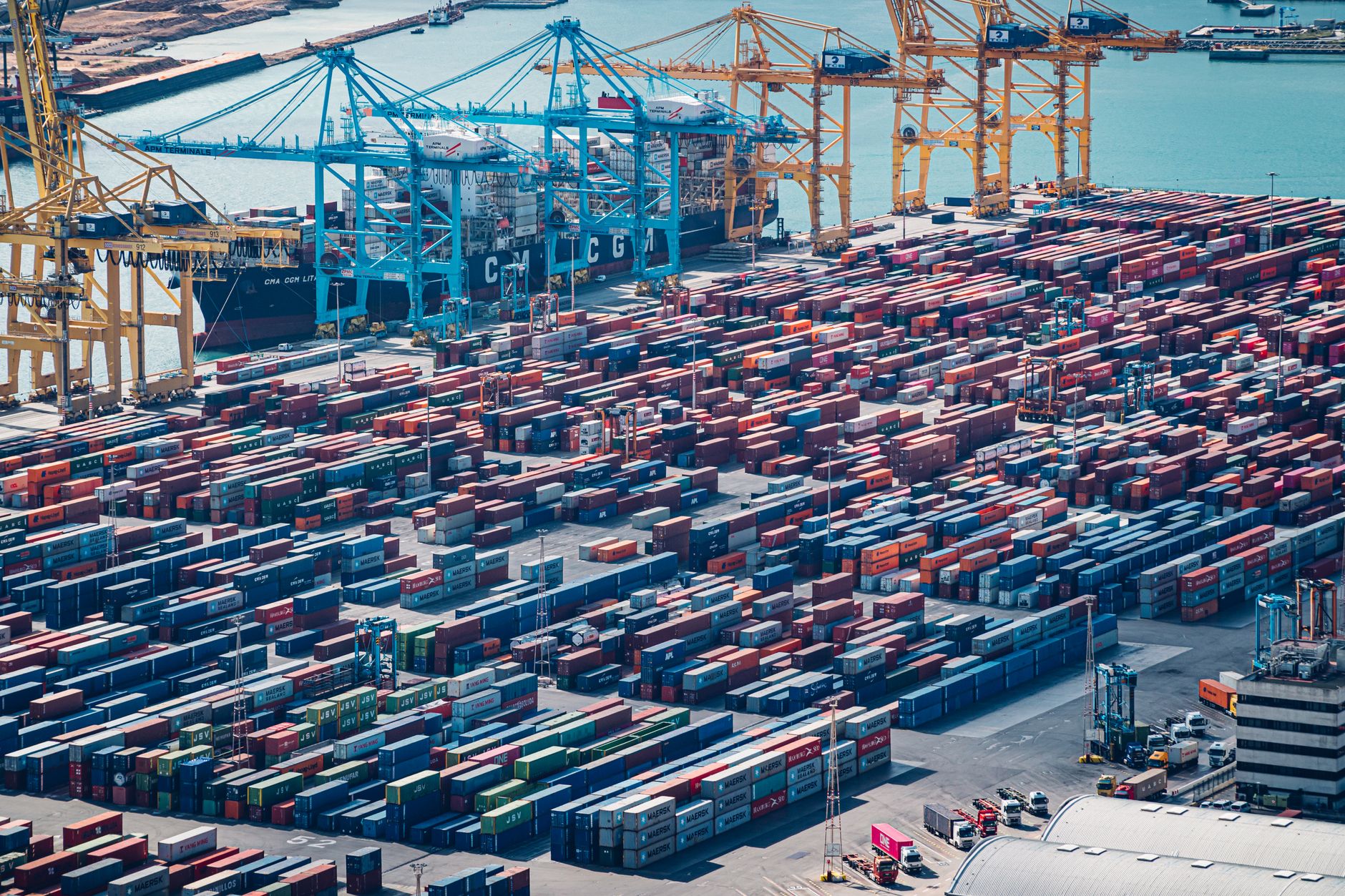
The trade and logistics sector stands to gain significantly from enhanced Pacific gateway infrastructure. As Asian markets continue to grow, British Columbia's ports serve as critical entry points for goods flowing into North America, creating jobs in transportation, warehousing, and related services.
Manufacturing and value-added processing represent opportunities to move beyond raw resource exports. By processing materials domestically, Western provinces can capture more economic value and create higher-skilled, better-paying jobs.
Infrastructure and Investment Priorities
Successful economic development requires strategic infrastructure investment. Transportation networks connecting Western provinces to each other and to international markets need modernization and expansion. This includes port facilities, rail corridors, highways, and airport capacity.
Digital infrastructure has become equally critical. High-speed internet connectivity throughout rural and remote areas enables businesses to operate competitively regardless of location, supporting economic diversification beyond major urban centers.
Energy infrastructure must balance traditional needs with renewable energy transition goals. Investments in clean energy generation, transmission capacity, and energy efficiency create jobs while positioning Western Canada as a leader in sustainable development.
Workforce Development and Skills Training
Creating jobs means ensuring workers possess the skills employers need. The strategy emphasizes partnership between government, educational institutions, and industry to align training programs with labour market demands.
Apprenticeship programs in skilled trades address persistent labour shortages in construction, manufacturing, and resource sectors. Technology sector partnerships with universities and colleges develop talent pipelines in software development, data science, and emerging fields.
Indigenous economic participation represents both an economic opportunity and a reconciliation priority. Supporting Indigenous-led businesses, ensuring access to training programs, and creating partnerships on resource development projects strengthens communities while addressing historical inequities.
Trade and Market Access
Western Canada's economic prosperity depends heavily on market access. The strategy emphasizes diversifying trade relationships beyond traditional partners, particularly targeting growing Asia-Pacific markets where geographic proximity provides advantages.
Reducing inter-provincial trade barriers remains a persistent challenge. Harmonizing regulations, recognizing professional credentials across provinces, and eliminating protectionist policies can unlock significant economic potential without requiring new investment.
Challenges and Considerations
Implementing this vision faces several obstacles. Constitutional jurisdiction limits interprovincial coordination on many economic matters. Political differences between provincial governments can hinder collaboration. Competition for investment and jobs sometimes overrides cooperative impulses.
Environmental concerns must be balanced with economic development goals. Resource development projects face increasing scrutiny regarding climate impacts, indigenous rights, and ecosystem protection. Sustainable development approaches that genuinely integrate environmental protection with economic activity will be essential for long-term success.
Global economic uncertainty, including trade tensions, supply chain disruptions, and technological disruption, requires flexibility and resilience in economic planning.
The Path Forward
Western Canada's economic potential remains substantial. Success requires sustained commitment to strategic investment, workforce development, and regional collaboration. By leveraging collective strengths while respecting provincial autonomy, Western provinces can build a more prosperous and resilient economy that creates opportunities for current and future generations.
The strategy's ultimate measure will be tangible outcomes: jobs created, businesses started, incomes increased, and communities strengthened across the region.