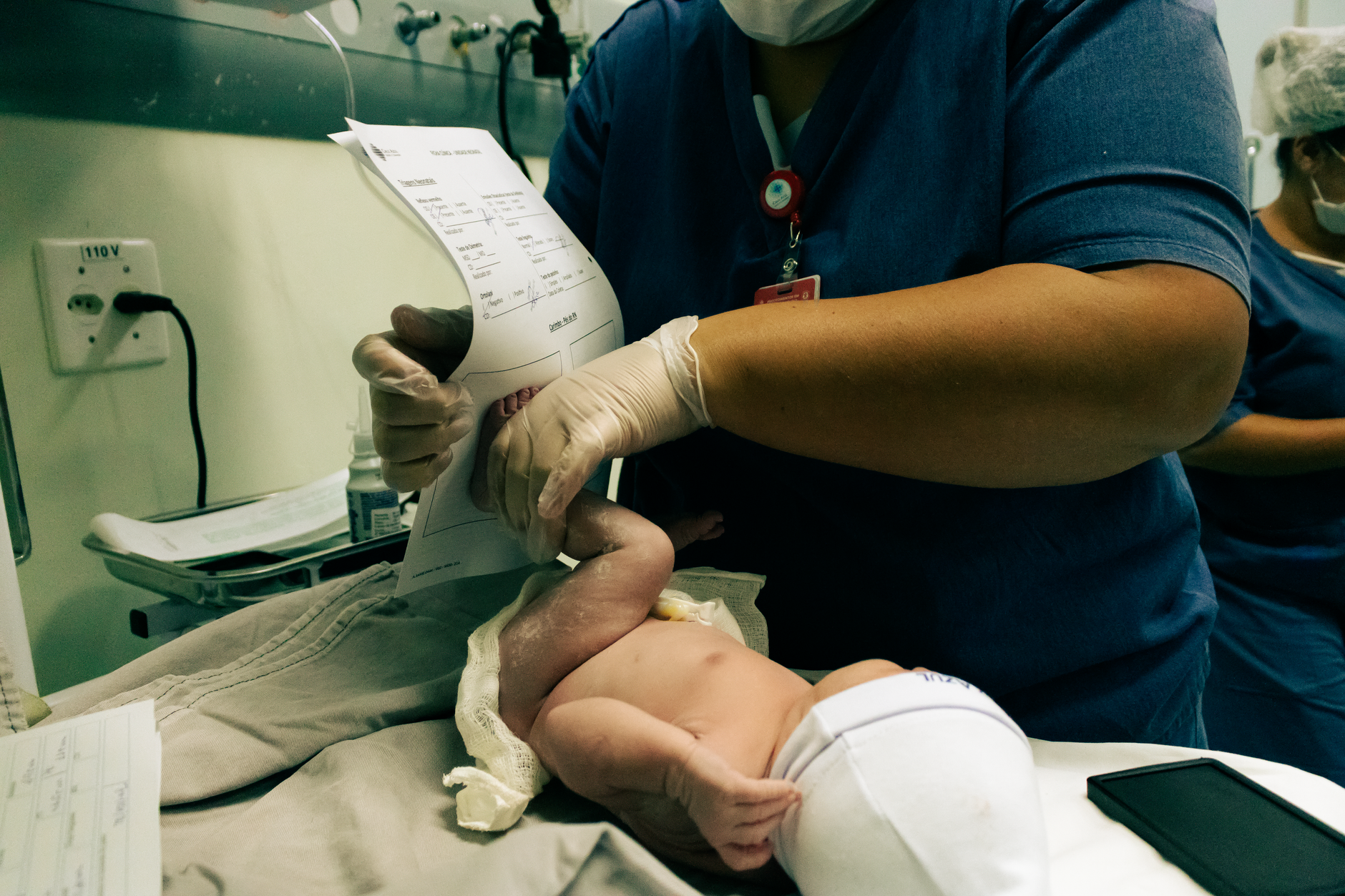
The United States has introduced new sanctions targeting Cuba's international medical missions, marking another chapter in the long-standing tensions between Washington and Havana. These sanctions focus on a program that has been a cornerstone of Cuban foreign policy for more than 60 years, through which thousands of Cuban doctors and healthcare workers serve in dozens of countries worldwide.
Understanding Cuba's Medical Missions
Cuba's international medical program began in the 1960s and has grown into one of the island nation's most recognizable diplomatic tools. The program sends Cuban-trained physicians, nurses, and other healthcare professionals to work in underserved areas across Latin America, Africa, Asia, and the Pacific Islands. According to Cuban government figures, tens of thousands of medical professionals have participated in these missions over the decades.
For Cuba, these missions serve multiple purposes. They generate significant foreign currency revenue, with host countries often paying fees to the Cuban government rather than directly to the healthcare workers. The program also builds diplomatic goodwill and extends Cuba's soft power influence, particularly in developing nations where access to healthcare remains limited.
The US Position and New Sanctions
The United States has long criticized Cuba's medical missions, characterizing them as a form of human trafficking and forced labor. American officials argue that Cuban doctors work under exploitative conditions, with the Cuban government retaining the majority of their earnings while the healthcare workers themselves receive only a small portion.
The new sanctions appear designed to pressure countries hosting Cuban medical brigades and to restrict the flow of funds back to Havana. These measures likely include restrictions on financial institutions facilitating payments for the medical services and potential visa restrictions on officials overseeing the program.
US policymakers contend that the revenue from medical missions helps sustain the Cuban government and its political system. By targeting this income stream, Washington aims to reduce the resources available to Cuban authorities while framing the action as a defense of healthcare workers' rights.
Cuba's Defense of the Program
The Cuban government vigorously defends its medical missions as a humanitarian effort and a demonstration of international solidarity. Havana points to the critical healthcare services its doctors provide in remote and underserved communities where local medical professionals are scarce or non-existent.
Cuban officials argue that their medical professionals volunteer for these missions and receive training, accommodation, and other benefits alongside their salaries. They note that many of the countries hosting Cuban doctors could not otherwise afford or attract medical staff to serve their most vulnerable populations.
The program has indeed provided essential services during various crises, including natural disasters and disease outbreaks. Cuban medical teams have responded to earthquakes, hurricanes, and epidemics, earning recognition from international organizations and the communities they serve.
Impact on Host Countries
The sanctions create complications for countries that rely on Cuban medical personnel. Nations in the Caribbean, Central America, Africa, and elsewhere face difficult decisions about whether to continue hosting Cuban doctors amid potential pressure from Washington.
Some countries may find themselves forced to choose between maintaining healthcare services for their populations and avoiding potential consequences from the United States. This puts developing nations in a particularly challenging position, as they often lack the domestic capacity to immediately replace Cuban medical professionals.
The Broader Diplomatic Context
These new sanctions reflect the ongoing volatility in US-Cuba relations. Despite brief periods of warming ties, the relationship has remained largely adversarial since Cuba's 1959 revolution. The United States maintains a comprehensive economic embargo on Cuba, though specific policies have varied across different American administrations.
The medical missions sanctions add another layer to existing restrictions on travel, trade, and financial transactions between the two countries. They signal that the US government continues to view maximum pressure as an effective approach to changing Cuban government behavior.
Looking Ahead
The effectiveness of these sanctions remains to be seen. Cuba has demonstrated resilience in maintaining its medical programs despite decades of US pressure. However, the financial strain on Cuba's struggling economy could intensify if major host countries reduce their use of Cuban medical personnel.
For the healthcare workers themselves, the situation creates uncertainty about their professional futures and their ability to support families back home. The diplomatic row also affects vulnerable populations in host countries who depend on Cuban doctors for basic medical care.
This latest escalation underscores the complexity of using sanctions as a foreign policy tool, particularly when the programs being targeted provide genuine humanitarian services alongside generating government revenue.