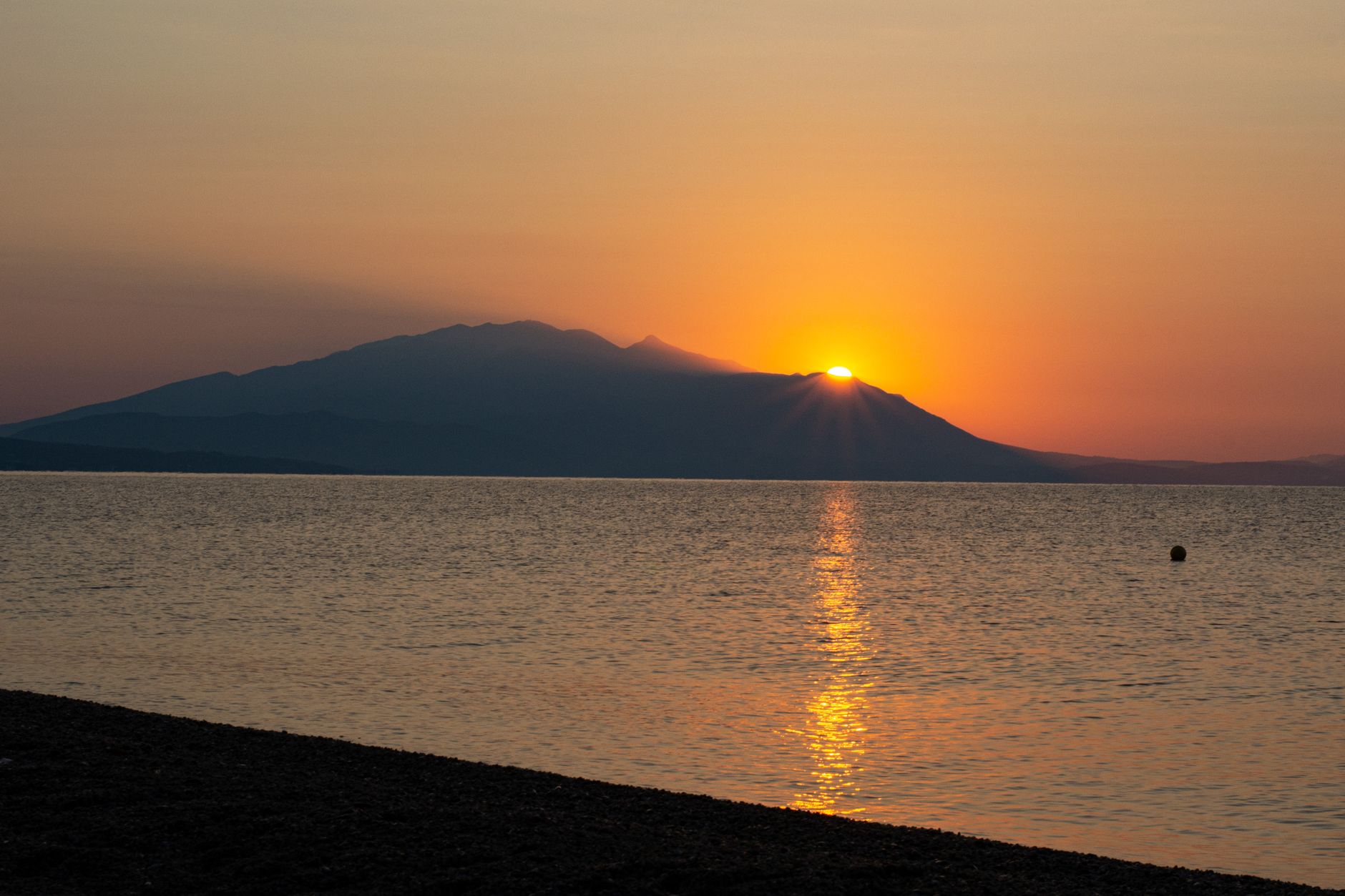
The United Nations Educational, Scientific and Cultural Organization (UNESCO) has expanded its prestigious World Heritage List with two new additions that represent both pivotal moments in human history and profound cultural significance. The inclusion of France's D-Day landing beaches and Greece's Mount Olympus underscores the organisation's commitment to preserving sites that have shaped civilisation.
The D-Day Landing Beaches: Monuments to Liberation
The Normandy coastline where Allied forces launched Operation Overlord on 6 June 1944 now joins the ranks of protected world heritage sites. This designation covers the stretch of French coast encompassing Utah, Omaha, Gold, Juno, and Sword beaches, where over 150,000 troops stormed ashore in what became the largest amphibious invasion in military history.
The beaches represent far more than a military operation. They symbolise the turning point of the Second World War and the beginning of Western Europe's liberation from Nazi occupation. The sacrifice of thousands of soldiers from the United States, United Kingdom, Canada, and other Allied nations on these shores fundamentally altered the course of the 20th century.
Today, the Normandy beaches attract millions of visitors annually who come to pay respects at cemeteries, memorials, and preserved bunkers. The American Cemetery at Colleville-sur-Mer overlooks Omaha Beach, containing the graves of 9,388 service members. Nearby museums and interpretation centres provide educational resources about the invasion and its lasting impact.
Mount Olympus: Home of the Gods
Greece's Mount Olympus, the mythical abode of the twelve Olympian gods in ancient Greek religion, has received recognition for its exceptional cultural and natural value. Rising to 2,918 metres at its highest peak, Mytikas, Olympus has captivated human imagination for millennia.
In Greek mythology, Zeus ruled from Olympus's summit, presiding over a pantheon that included Hera, Poseidon, Athena, and Apollo. The mountain served as the celestial palace where gods feasted, held councils, and observed mortal affairs. This rich mythological heritage has influenced Western literature, art, and culture for over two thousand years.
Beyond its cultural significance, Mount Olympus boasts remarkable biodiversity. The mountain's varied elevations create distinct ecological zones supporting over 1,700 plant species, many endemic to the region. Wildlife includes rare birds, wolves, and the endangered Balkan chamois. The Olympus National Park, established in 1938 as Greece's first national park, protects these ecosystems.
The World Heritage Selection Process
UNESCO's World Heritage Committee evaluates nominations based on ten criteria relating to cultural and natural significance. Sites must demonstrate outstanding universal value and meet authenticity and integrity requirements.
The selection process involves:
- Nomination by member states following rigorous documentation
- Evaluation by independent advisory bodies
- Review of management plans and protection measures
- Assessment of potential threats and conservation strategies
- Final decision by the World Heritage Committee during annual sessions
Countries nominate sites they believe represent humanity's shared heritage. The designation brings international recognition and often tourism benefits, whilst imposing obligations to preserve and protect these treasures for future generations.
Benefits and Responsibilities of Heritage Status
World Heritage inscription carries both prestige and responsibility. Listed sites gain:
- Enhanced international recognition and visibility
- Access to technical assistance and expert advice
- Potential funding for conservation projects
- Increased tourism revenue supporting local economies
- Greater protection under international law
However, nations must commit to rigorous conservation standards. UNESCO monitors listed sites and can place them on the List of World Heritage in Danger if threatened by development, conflict, natural disasters, or inadequate management.
Growing Global Heritage Network
The World Heritage List now encompasses over 1,150 sites across more than 160 countries. These range from the Great Wall of China and Egypt's pyramids to Australia's Great Barrier Reef and Tanzania's Serengeti National Park.
The additions of the D-Day beaches and Mount Olympus reflect UNESCO's efforts to maintain geographic and thematic balance. The list includes cultural sites, natural wonders, and mixed properties combining both elements.
As global challenges including climate change, urban development, and political instability threaten heritage sites worldwide, UNESCO's preservation mission becomes increasingly vital. These new inscriptions remind us that protecting our shared heritage means safeguarding the stories, landscapes, and monuments that define human civilisation.