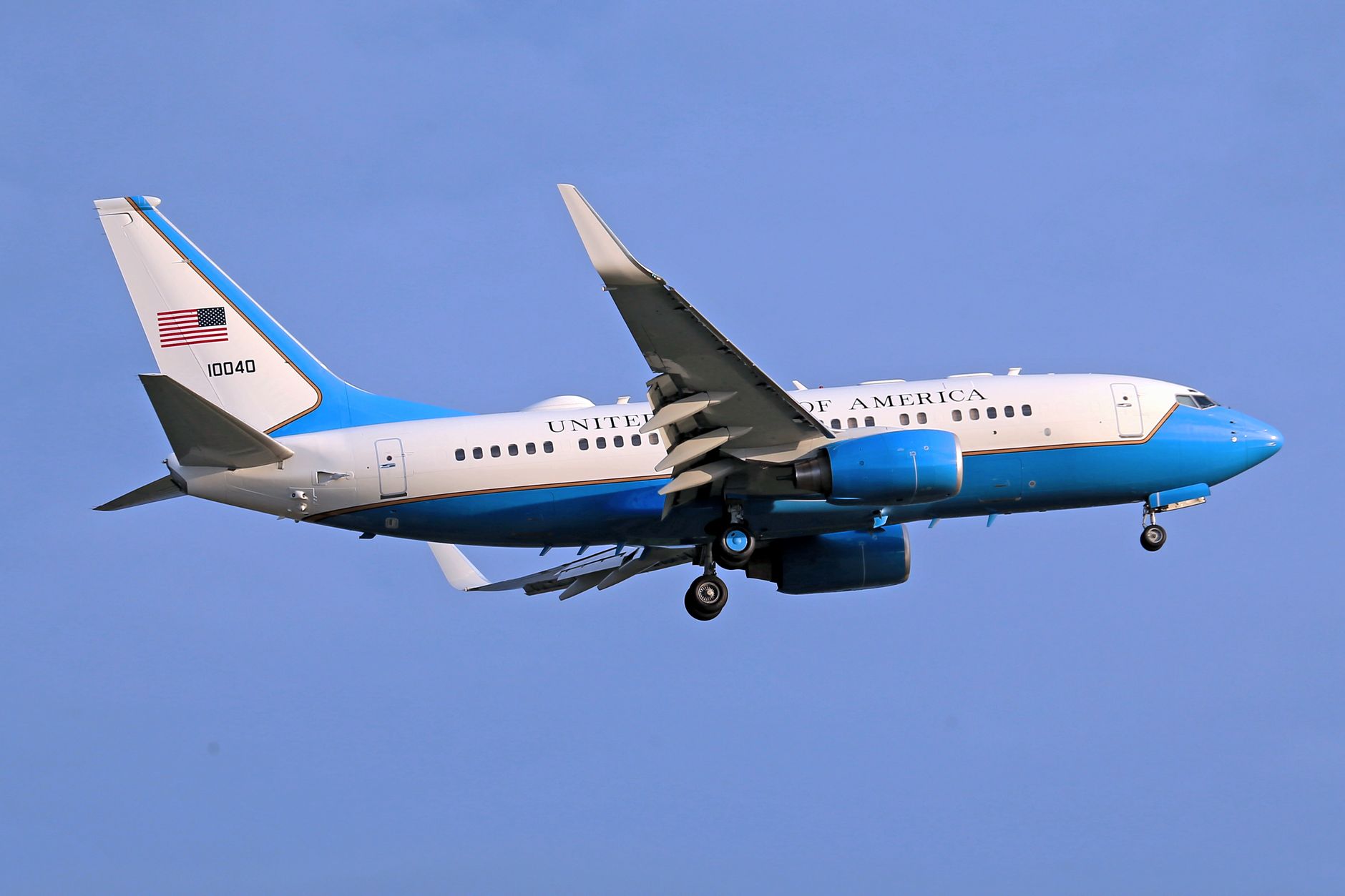
Former President Donald Trump reportedly switched aircraft during a recent trip from Turkey after US intelligence officials detected what they described as a credible security threat from Iranian proxy forces. The incident underscores the continuing tensions between the United States and Iran-aligned groups across the Middle East, even as it raises questions about the security protocols surrounding former American presidents traveling abroad.
The Security Switch
According to reports, Trump was traveling back from Turkey when the decision was made to change aircraft mid-journey as a precautionary measure. While specific details about the nature of the threat remain classified, sources indicate that intelligence agencies identified potential risks from groups with ties to Iran operating in the region.
The former president's security detail, which includes Secret Service protection afforded to all former US presidents, made the decision to alter travel arrangements based on threat assessments. Such mid-trip changes are relatively rare and typically indicate that security officials have received specific, actionable intelligence rather than general concerns.
Iranian Proxy Networks in the Region
Iran maintains relationships with various armed groups and political movements across the Middle East, often referred to as proxy forces. These include:
- Hezbollah in Lebanon, considered one of Iran's most capable allied organizations
- Various militia groups in Iraq that maintain close ties to Tehran
- Houthi forces in Yemen, which have received Iranian support
- Other smaller armed factions operating across Syria and the broader region
These groups operate with varying degrees of independence from Tehran but generally align with Iranian strategic interests. The network allows Iran to project influence across the Middle East without direct military intervention.
Why Turkey Matters
Turkey occupies a strategically complex position in Middle Eastern geopolitics. While a NATO member, Turkey has maintained working relationships with both Western powers and Iran, often balancing competing interests. The country serves as a crossroads between Europe and Asia, making it a focal point for diplomatic engagement and, occasionally, security concerns.
Trump's visit to Turkey would have been notable given his history with the country during his presidency, when US-Turkish relations experienced both cooperation and tension over issues including Syria policy, defense procurement, and regional security matters.
Security Protocols for Former Presidents
Under US law, former presidents receive lifetime Secret Service protection, though they can decline it. This protection extends to international travel, where coordination with host countries and US intelligence agencies becomes crucial.
When credible threats emerge, security teams have broad authority to alter travel plans, routes, and methods of transportation. The decision to switch aircraft suggests that the threat assessment was serious enough to warrant immediate action rather than waiting until the scheduled departure.
The Broader Context of US-Iran Tensions
Relations between the United States and Iran have remained strained for decades, with periods of particular intensity. Issues include:
- Iran's nuclear program and international efforts to limit it
- Iranian support for regional proxy forces
- Sanctions imposed by the United States and responses from Tehran
- Broader competition for influence across the Middle East
Former President Trump's administration took a particularly hard line toward Iran, withdrawing from the nuclear agreement negotiated under President Obama and implementing a "maximum pressure" campaign of economic sanctions. Iranian officials have at various times threatened retaliation against American interests and individuals.
Security Implications
The reported incident highlights several ongoing security challenges. High-profile American political figures can become targets for groups seeking to make political statements or exact revenge for perceived grievances. The Middle East remains a region where such threats must be taken seriously due to the presence of multiple armed non-state actors with varying capabilities.
Intelligence sharing between US agencies and allies plays a crucial role in identifying and mitigating such threats before they materialize. The apparent success of this intelligence work in detecting the threat early enough to alter travel plans demonstrates the importance of maintaining robust security cooperation networks.
Looking Forward
As political tensions in the Middle East continue to evolve, security considerations for traveling American officials and former leaders will remain paramount. The incident serves as a reminder that geopolitical conflicts can create tangible security risks that require constant vigilance and flexibility from protection details.
This article is for general information purposes only and is based on publicly available reports. Specific details about security threats and intelligence operations often remain classified for operational security reasons.