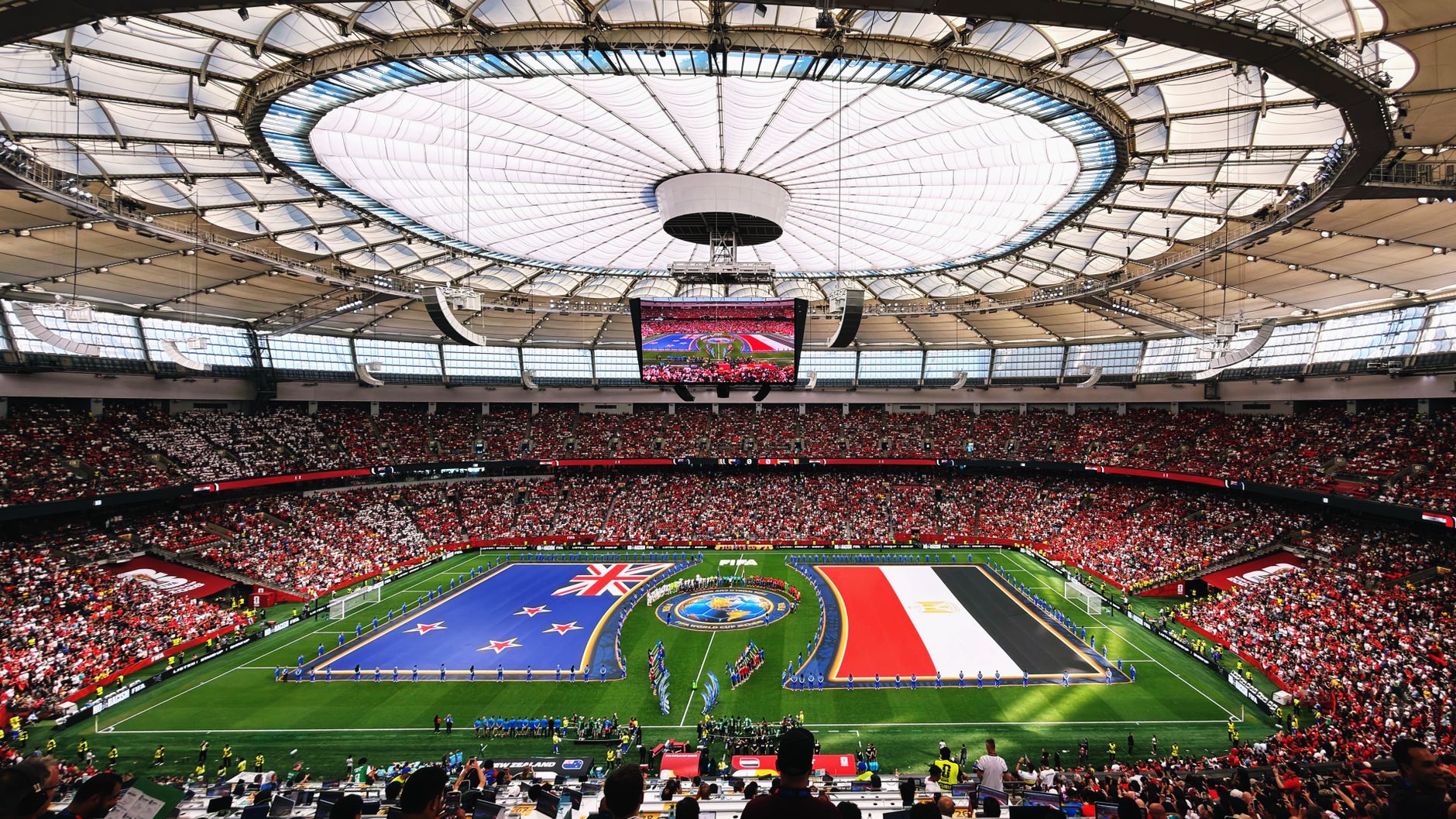
In the age of digital media, nothing truly disappears from the internet—a lesson that former President Donald Trump recently learned when an edited video from a World Cup-related event sparked widespread attention across social platforms.
The incident highlights how public figures' attempts to curate their online image often backfire when vigilant social media users preserve original content. Within hours of the edited video being posted, internet sleuths had compiled side-by-side comparisons showing exactly what had been removed from the footage.
What Happened at the Event
The original video captured Trump attending a World Cup viewing or promotional event, where an apparently uncomfortable exchange or moment occurred. While the specific details of the awkward interaction have been interpreted differently by various observers, the decision to edit it out drew more attention than the moment itself might have received.
Such incidents are not uncommon at high-profile sporting events where political figures mingle with athletes, officials, and other dignitaries. The pressure of public appearances, combined with the informal atmosphere of sporting celebrations, sometimes creates moments that don't align with a carefully managed public image.
The Digital Paper Trail
Social media platforms like Twitter, Instagram, and Reddit serve as de facto archives where thousands of users capture and share content in real-time. When public figures post videos or images, multiple copies are often downloaded and preserved within minutes.
This phenomenon has become increasingly relevant in political and celebrity culture. Content creators and news organizations routinely monitor public figures' social media accounts, sometimes using specialized tools to track changes, deletions, and edits.
The editing of the World Cup video follows a familiar pattern where attempts to remove unflattering content paradoxically generate more coverage through what internet culture calls the "Streisand effect"—where efforts to hide information make it more widely known.
Political Image Management in the Social Media Era
For politicians and public figures, managing one's image has always been crucial, but social media has fundamentally transformed this landscape. In previous decades, controlling media narratives was more straightforward, with limited television networks and newspapers serving as primary information sources.
Today's environment presents unique challenges:
- Multiple angles and perspectives of any public event exist simultaneously
- Content spreads globally within seconds
- Edited or deleted posts are often preserved by third parties
- Fact-checkers and political opponents actively monitor for changes
- Audience engagement metrics make certain content more visible
The Role of Sports in Politics
World Cup events and other major sporting occasions have long served as venues where politics and sports intersect. Leaders frequently attend such events to demonstrate national pride, connect with voters, or engage in diplomatic relations.
These appearances carry both opportunities and risks. Successful moments can humanize political figures and create positive associations. However, the informal atmosphere and unpredictable nature of live events mean that awkward exchanges, misunderstandings, or protocol breaches can occur.
The global audience for World Cup events means that any noteworthy moment receives international attention, amplifying both positive and negative coverage beyond domestic media markets.
Public Response and Commentary
The reaction to the edited video demonstrates how contemporary audiences have become sophisticated consumers of digital media. Users quickly identified the discrepancy between the original and edited versions, sharing annotated comparisons and commentary.
This incident also reflects broader conversations about authenticity in the digital age. Audiences increasingly value transparency and are skeptical of overly curated content that appears to hide unflattering realities.
Implications for Digital Communication
The episode underscores several important considerations for public figures and their communications teams. First, the assumption that edited content will go unnoticed is increasingly unrealistic given the vigilance of online communities.
Second, the response to such editing often generates more negative attention than allowing the original content to remain posted. A brief awkward moment might have been forgotten within a news cycle, but the editing controversy extends the story's lifespan.
Finally, the incident highlights the permanent nature of digital content. Even deleted or edited posts leave traces that can be recovered and shared, making strategic decisions about initial posting more critical than ever.
Looking Forward
As political campaigns and public figures continue navigating the evolving digital landscape, incidents like this serve as case studies in modern communications. The balance between controlling one's narrative and maintaining authenticity remains a central challenge in the social media era.
Whether this particular incident will have lasting impact remains to be seen, but it contributes to ongoing discussions about transparency, digital manipulation, and the relationship between public figures and their audiences in an age where everyone has a camera and a platform.