The world of international sports diplomacy was rattled recently when Spain announced an unexpected policy change in response to former US President Donald Trump's appearance at a high-profile World Cup event. The move has ignited conversations about the intersection of politics and sports on the global stage.
The Podium Moment That Started It All
Donald Trump's presence at a World Cup podium ceremony created waves across international media outlets. While details of the specific event remain under discussion, the former president's appearance at such a prestigious sporting occasion raised questions about protocol, diplomatic norms, and the role of political figures in international sporting events.
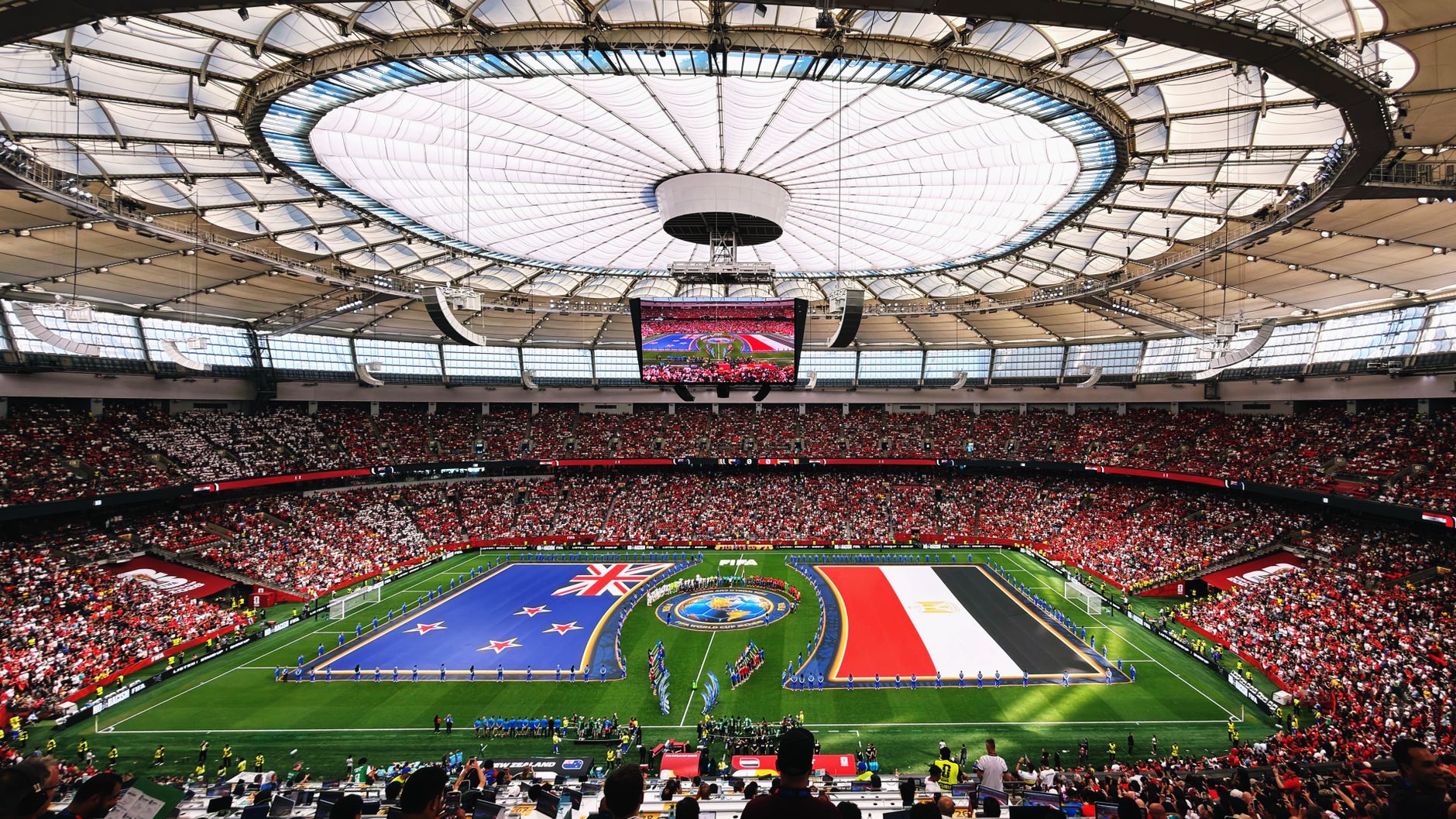
The World Cup, whether referring to football, cricket, or another major international competition, traditionally serves as a platform for unity among nations. When political figures make appearances at these events, they typically do so in carefully choreographed settings that respect international diplomatic protocols and the apolitical nature of sport.
Spain's Unexpected Response
In what many observers are calling a "shock move," Spanish authorities have taken a definitive stance following Trump's appearance. While the exact nature of Spain's response has not been fully detailed in initial reports, such reactions typically involve diplomatic statements, policy adjustments regarding international sporting events, or changes in how political figures are integrated into sporting ceremonies.
Spain, as a nation with deep roots in international football and a strong tradition of sporting excellence, has long maintained positions on how politics should intersect with sports. The country has hosted numerous major sporting events and has established protocols for managing political presence at such occasions.
International Reactions and Implications
The Spanish decision has prompted varied reactions from the international community. Some nations and sporting bodies view the move as a necessary step to maintain the integrity and neutrality of sporting events. Others see it as potentially setting a precedent that could complicate future international sporting occasions.
Key considerations include:
- The balance between honoring dignitaries and preserving sports neutrality
- How international sporting bodies manage political appearances
- The impact on future World Cup hosting agreements and protocols
- Potential diplomatic ramifications between nations
The Broader Context of Politics in Sports
This incident highlights an ongoing global debate about the appropriate role of political figures in international sporting events. Throughout history, sports have occasionally become flashpoints for political expression and controversy, from the 1936 Berlin Olympics to various modern-day protests and statements.
International sporting bodies like FIFA, the International Olympic Committee, and others have long grappled with maintaining political neutrality while acknowledging that sports cannot exist in a complete vacuum from world affairs. These organizations typically have strict guidelines about political statements, symbols, and the conduct of both athletes and officials.
Trump's History With International Sports
Donald Trump has had a complex relationship with international sports throughout his business career and political tenure. From his ownership of beauty pageants to his interest in golf courses worldwide, Trump has often positioned himself at the intersection of entertainment, sports, and business.
His appearances at sporting events during and after his presidency have frequently generated media attention and varied public reactions. Supporters view such appearances as appropriate for a former head of state, while critics argue they can politicize events meant to transcend national politics.
What This Means for Future Events
Spain's response could have lasting implications for how future international sporting events manage the presence of political figures, particularly those who remain controversial or polarizing on the world stage. Event organizers may need to develop more robust protocols for managing VIP appearances and podium ceremonies.
The incident also raises questions about:
- How host nations balance diplomatic courtesy with sporting neutrality
- The role of former political leaders at international events
- Whether new international guidelines are needed for such situations
- How media coverage of political figures at sporting events should be managed
Looking Ahead
As the international community processes Spain's decision, attention will likely turn to how this affects upcoming major sporting events and whether other nations follow suit with similar policies. The incident serves as a reminder that in our interconnected world, the line between sports and politics remains delicate and requires careful navigation by all parties involved.
The coming months will reveal whether Spain's move represents an isolated response or signals a broader shift in how the international sporting community manages political presence at its most prestigious events.