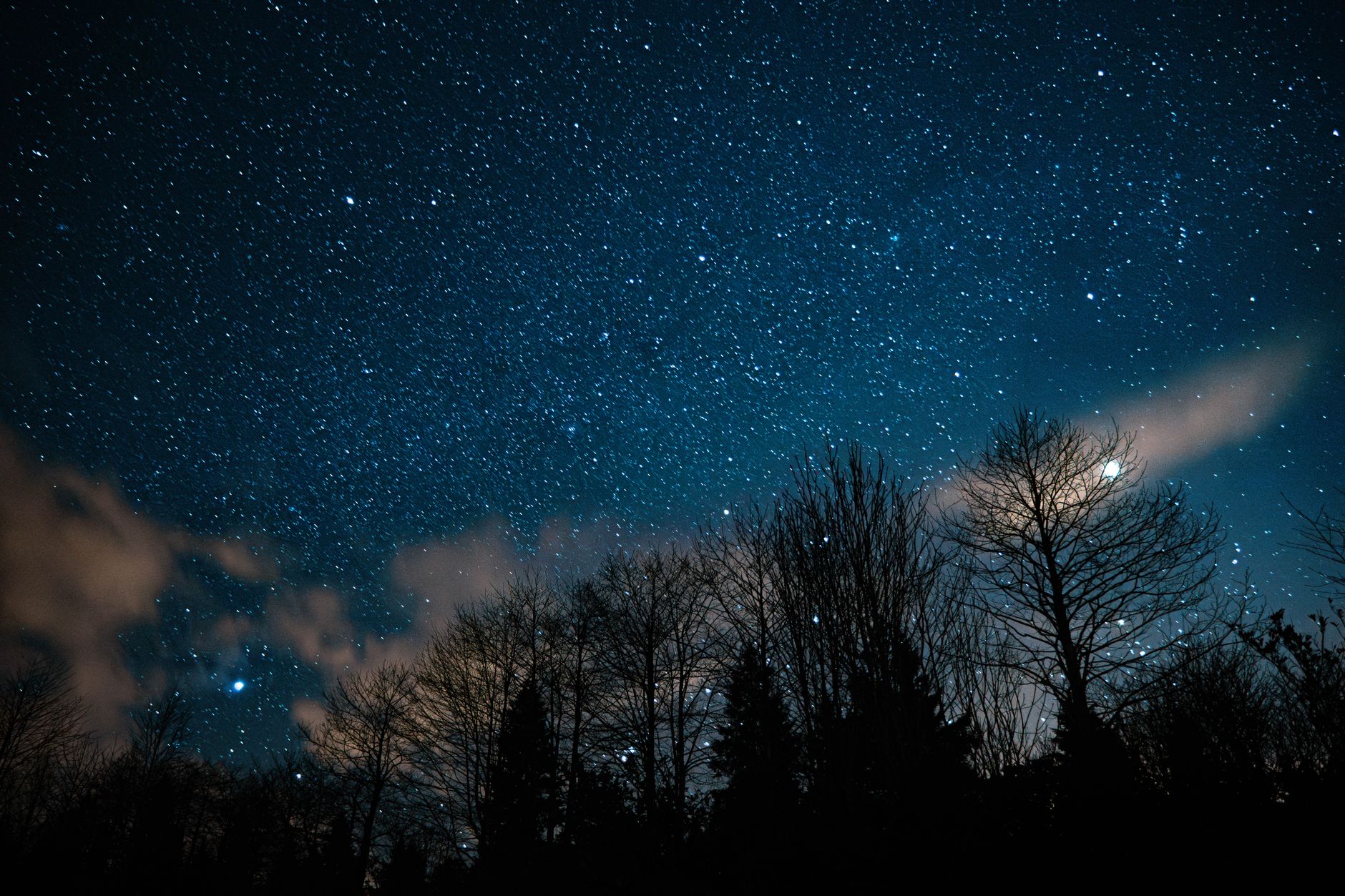
The pristine night sky that has inspired poets, guided navigators, and enabled astronomical discoveries for millennia is undergoing a dramatic transformation. Private companies are launching thousands of satellites into low Earth orbit, creating visible streaks of light that increasingly obscure our view of the cosmos. The troubling reality is that international law, crafted in an era when space access was limited to governments, has no provisions to stop this unprecedented change to a shared global resource.
The Scale of the Problem
Companies like SpaceX, Amazon, and OneWeb are deploying massive satellite constellations to provide global internet coverage. SpaceX's Starlink network alone plans to eventually operate more than 40,000 satellites, dwarfing the approximately 8,000 satellites humanity had launched in total by 2020. These satellites, while serving legitimate commercial purposes, reflect sunlight and appear as moving dots of light visible to the naked eye.
For astronomers, the impact is particularly severe. Telescope observations are being disrupted by satellite trails that streak across images, potentially ruining hours of carefully planned observations. Radio telescopes face interference from satellite transmissions. The problem will only intensify as more constellations reach operational capacity.
A Gap in International Space Law
The legal framework governing space activities dates primarily from the 1960s and 1970s, when the Outer Space Treaty and related agreements were established. These treaties focus on preventing military use of space, establishing liability for damage caused by space objects, and preventing national appropriation of celestial bodies. However, they contain virtually nothing about preserving the aesthetic or scientific quality of the night sky.
No international body has the authority to reject a satellite launch based on its potential to create light pollution. Countries authorize launches through national licensing processes, but these focus on technical safety and avoiding collisions rather than broader environmental impacts. Once a satellite is in orbit, there is no enforcement mechanism to require its removal if it proves disruptive.
Who Owns the Night Sky?
This situation raises profound questions about shared global resources. The night sky is not owned by any nation, yet it is enjoyed and used by all of humanity. Indigenous cultures incorporate celestial observations into their spiritual practices. Amateur astronomers in rural areas cherish dark skies. Professional observatories depend on clear views for scientific advancement.
Private companies making decisions about satellite deployments are effectively making choices that impact every person on Earth, yet they face no requirement to obtain consent or even consideration from affected parties. The economic benefits of satellite internet accrue largely to the companies and their customers, while the costs—diminished astronomical observations, altered night skies—are borne by everyone.
Limited Voluntary Measures
Some companies have taken steps to mitigate visibility. SpaceX has experimented with darker satellite coatings and orientation changes to reduce reflectivity. Industry groups have begun discussions about best practices. However, these remain voluntary initiatives that companies can abandon if they prove economically inconvenient.
The International Astronomical Union has established a center to coordinate protection of dark skies from satellite interference, but it lacks regulatory power. It can only advocate, research, and recommend—not compel action.
The Path Forward
Addressing this challenge will require updating international space law for the modern era of commercialized space. Potential solutions include establishing maximum brightness standards for satellites, requiring impact assessments before deploying large constellations, creating protected observation zones, or developing an international approval process for mega-constellations.
The difficulty lies in achieving consensus among spacefaring nations with competing interests. Countries benefit economically from hosting commercial space companies and may resist restrictions that could handicap their domestic industries. Meanwhile, satellite internet provides genuine benefits, particularly for remote areas lacking terrestrial infrastructure.
The night sky dilemma illustrates how technological capability can outpace legal and ethical frameworks. As private space activity accelerates, the international community faces growing urgency to decide whether some aspects of our shared environment deserve protection, even when they lie beyond any nation's borders. Without action, the decision will be made by default—and the night sky our ancestors knew may become a thing of the past.