Commerce and Industry Minister Piyush Goyal has reiterated India's commitment to establishing fair trading practices on the global stage while simultaneously pushing domestic manufacturers to expand their international footprint. His statements underscore the government's dual strategy of protecting Indian interests in international trade negotiations while encouraging homegrown businesses to compete globally.
The Fair Trade Imperative
Fair trading practices have become increasingly important as India navigates complex international trade relationships. The minister's call addresses several persistent challenges that Indian exporters face, including non-tariff barriers, discriminatory practices, and unequal market access in various countries. India has long advocated for a rules-based international trading system that provides equal opportunities for developing nations.
The emphasis on fairness extends to concerns about dumping practices, where foreign manufacturers sell goods in India below cost to capture market share, potentially harming domestic industries. This has been particularly relevant in sectors like steel, chemicals, and electronics, where Indian manufacturers have sought protection against predatory pricing.
Make in India's Evolution
Launched in 2014, the Make in India initiative was designed to transform the country into a global manufacturing hub. Nearly a decade later, the program has achieved mixed results, with notable successes in sectors like mobile phone manufacturing, automobiles, and pharmaceuticals, but challenges remaining in areas requiring advanced technology and heavy capital investment.
The minister's vision of taking Make in India from local to global represents the program's maturation phase. Rather than simply manufacturing for the domestic market, Indian companies are being encouraged to develop products and services that can compete internationally on quality, innovation, and price.
Strategies for Global Expansion
Several key strategies underpin this global push:
- Improving product quality and compliance with international standards
- Investing in research and development to create innovative, competitive products
- Building robust supply chains that can serve global markets efficiently
- Developing skilled workforce capabilities aligned with international requirements
- Leveraging India's demographic dividend and cost advantages
The government has introduced production-linked incentive schemes across multiple sectors to boost manufacturing capabilities and make Indian products more competitive globally. These schemes provide financial incentives based on incremental sales and investment, encouraging companies to scale up operations.
Sector-Specific Opportunities
Certain sectors present particularly strong opportunities for global expansion. India's pharmaceutical industry, often called the "pharmacy of the world," already supplies a significant portion of global generic medicines. The textile and garment sector, with its traditional strengths, is being modernized to capture higher value-added segments of the global market.
Emerging sectors like electronics manufacturing, renewable energy equipment, and electric vehicles represent new frontiers. The government's focus on creating specialized manufacturing clusters and improving infrastructure aims to make these sectors globally competitive.
Challenges and Barriers
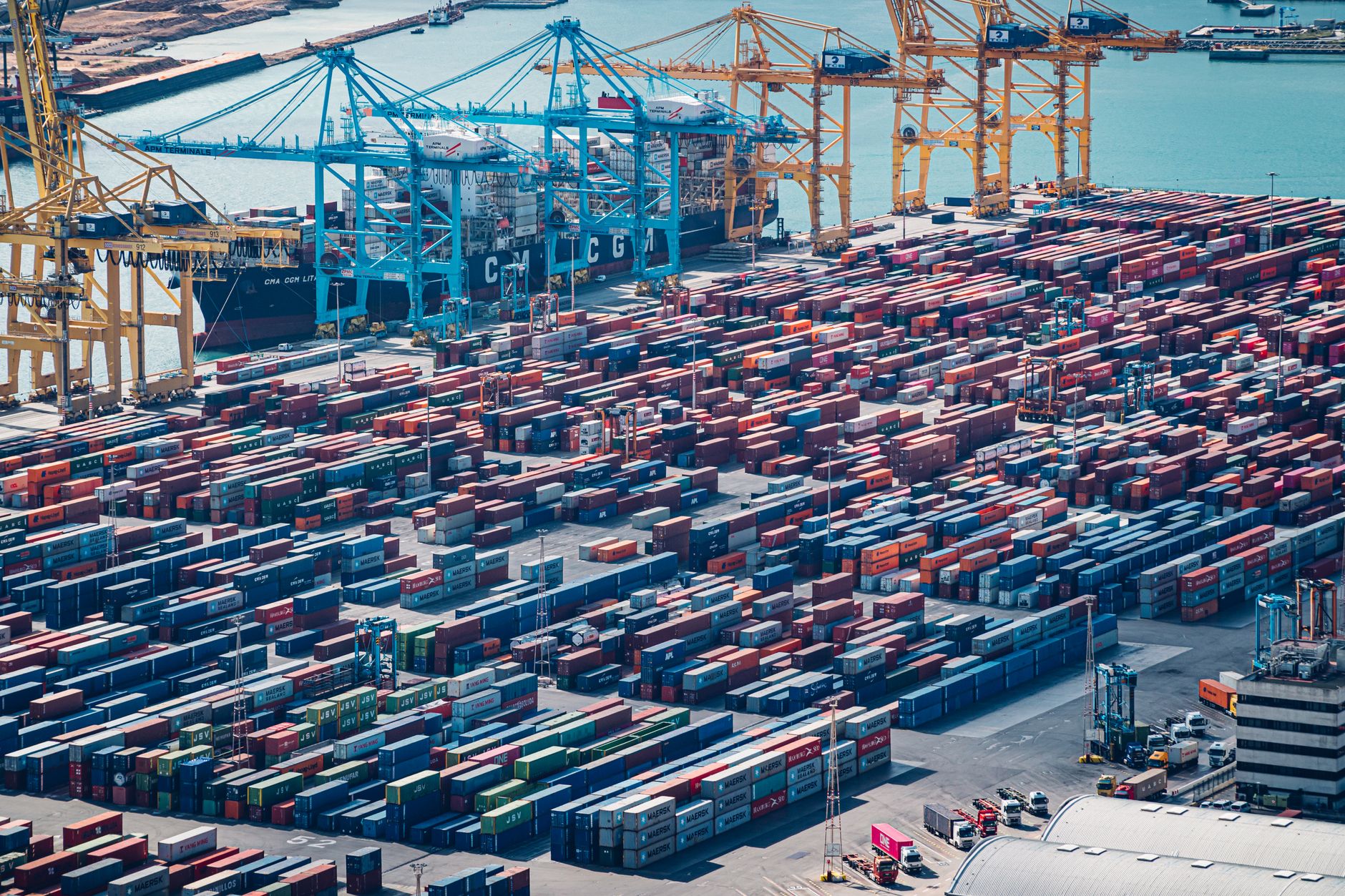
Despite the optimistic vision, Indian manufacturers face substantial challenges in going global. Infrastructure bottlenecks, including port congestion and logistics costs, often make Indian exports less competitive. Complex regulatory procedures and bureaucratic hurdles can slow down business operations and increase compliance costs.
Additionally, Indian companies must navigate increasingly protectionist tendencies in various markets, including developed countries that have historically championed free trade. Trade tensions between major economies also create uncertainty that can affect Indian exporters.
The Role of Trade Agreements
India's approach to trade agreements has become more cautious following its withdrawal from the Regional Comprehensive Economic Partnership. The focus has shifted toward bilateral agreements and ensuring that any trade deal includes adequate safeguards for domestic industries while opening genuine market access opportunities abroad.
Recent agreements with the UAE and Australia, along with ongoing negotiations with the UK and EU, reflect this balanced approach. These agreements aim to provide Indian exporters better market access while protecting sensitive domestic sectors.
Looking Ahead
The success of transforming Make in India into a global movement will depend on sustained policy support, continued investment in manufacturing infrastructure, and the ability of Indian businesses to innovate and adapt to changing global demands. The minister's call represents an ambitious vision that requires coordination between government policy, business investment, and workforce development to become reality.