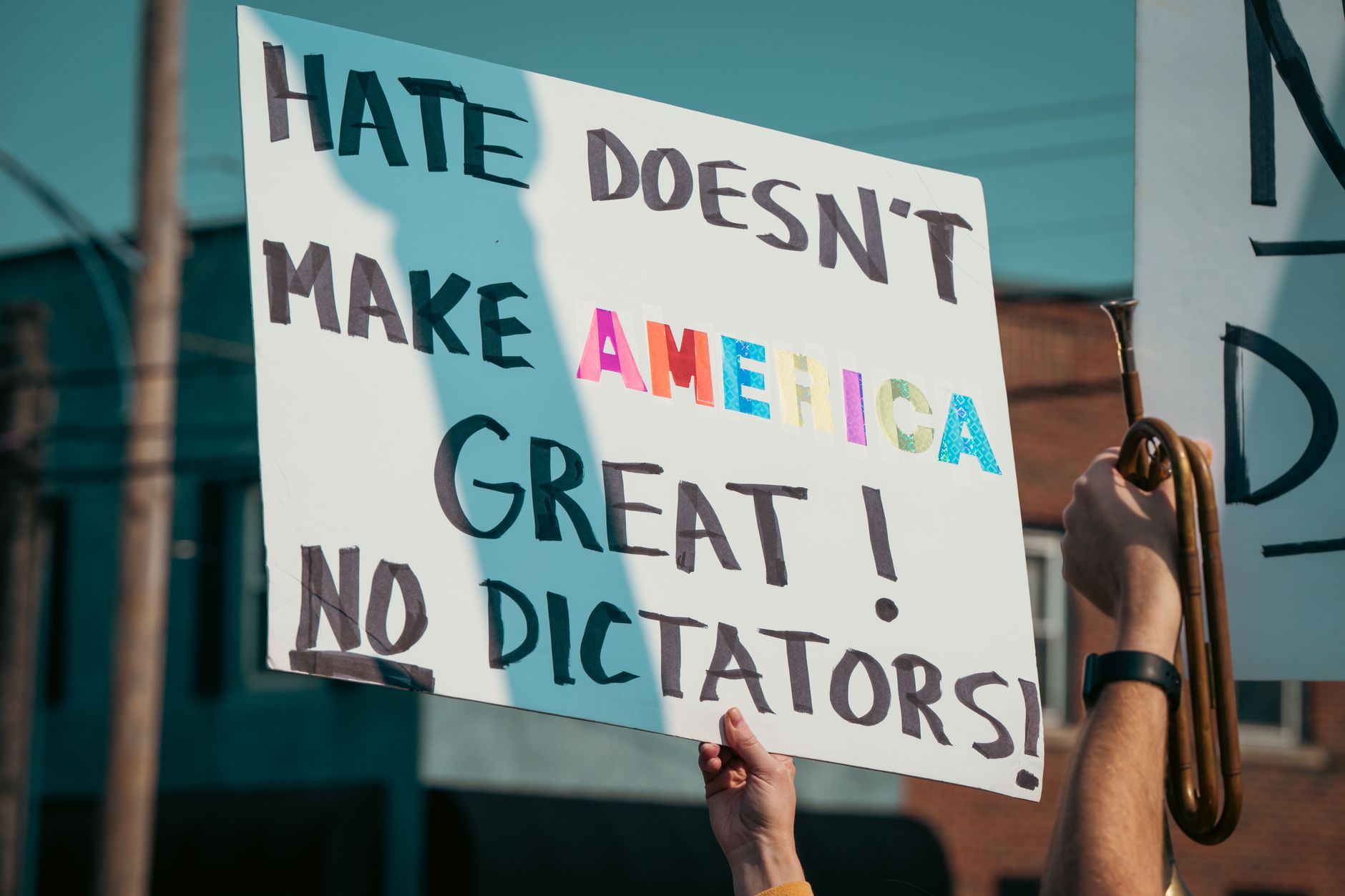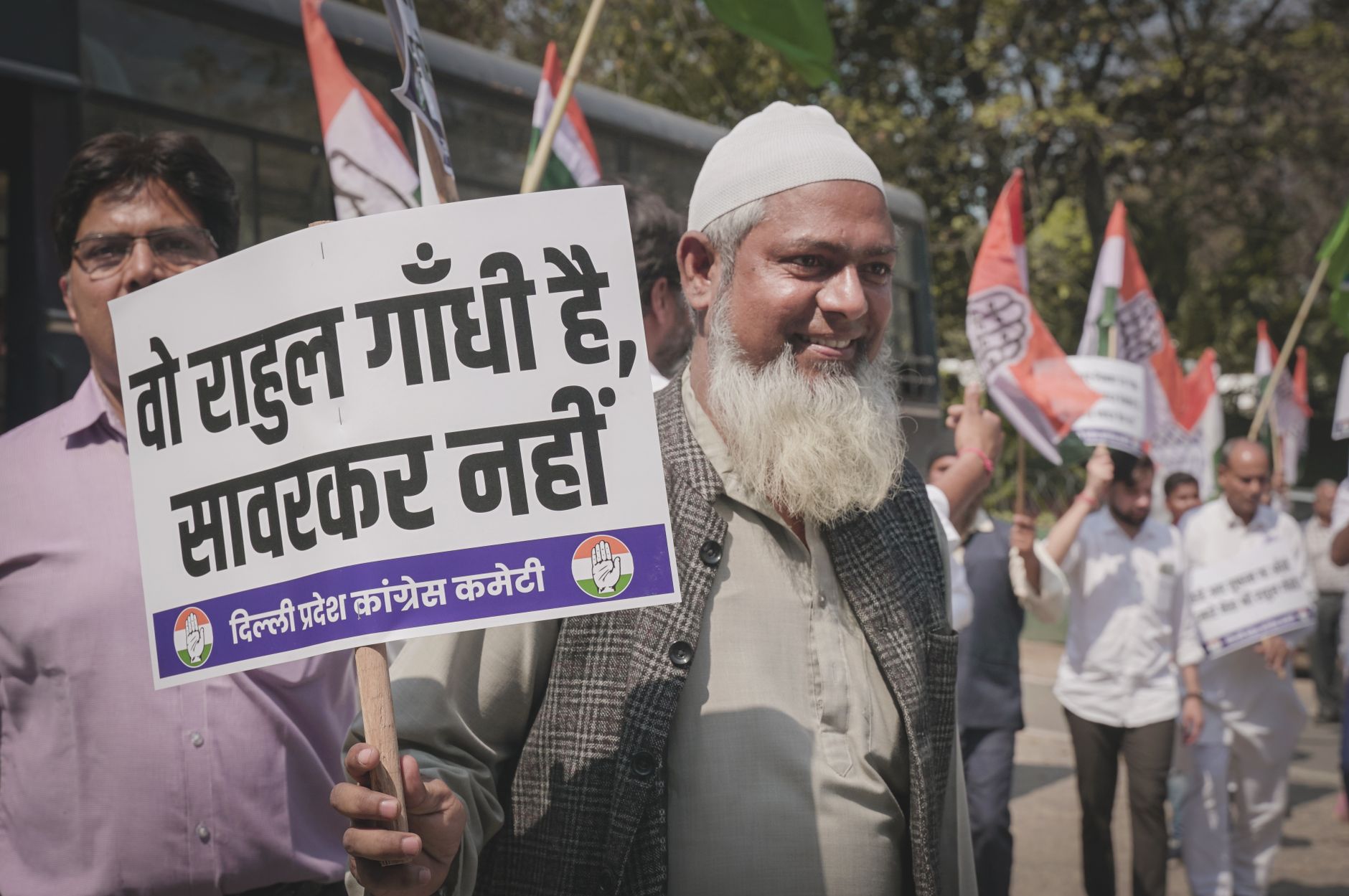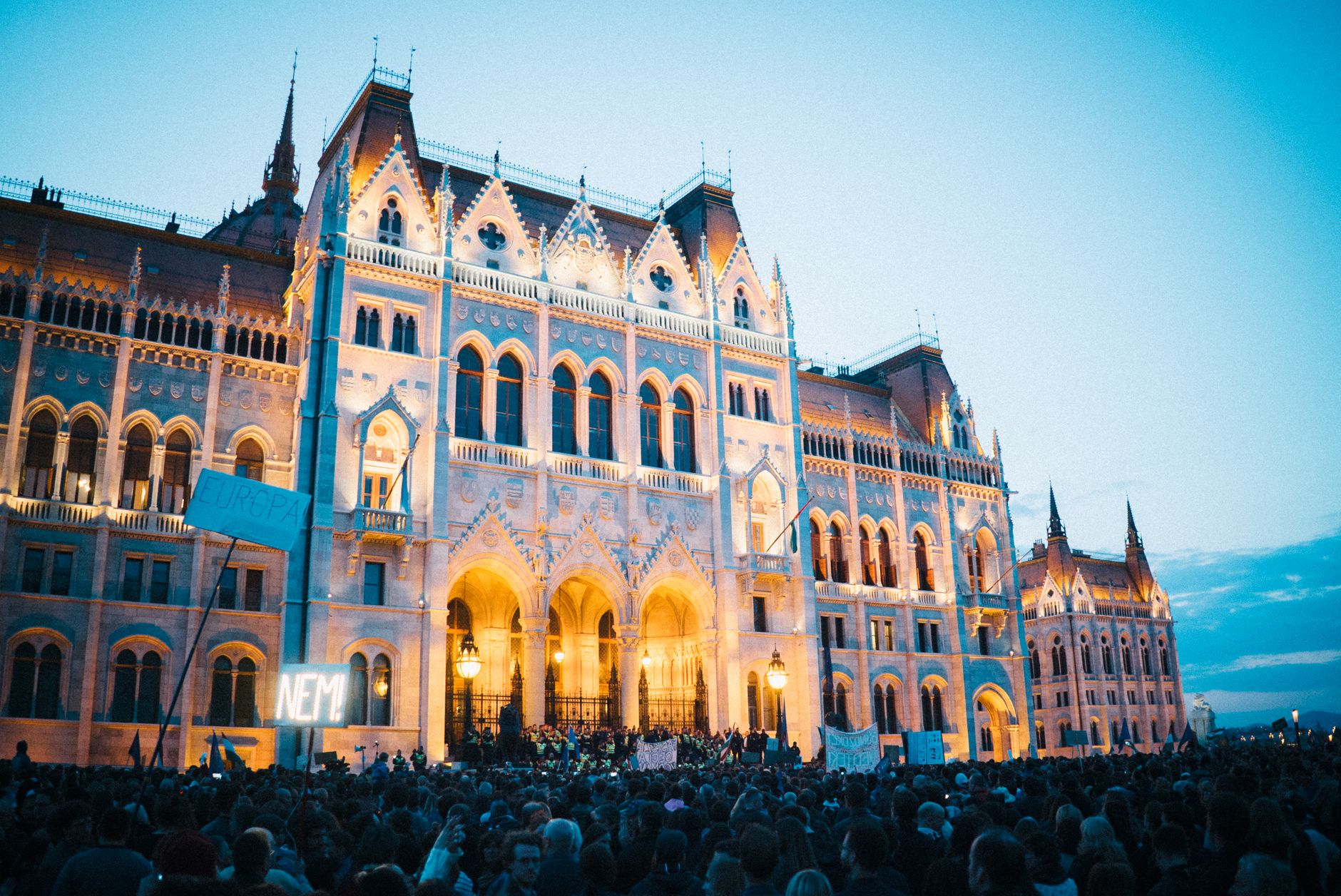
The Indian Parliament witnessed unprecedented scenes as opposition parties collectively disrupted proceedings in support of protesters who had been controversially referred to using derogatory terms by government representatives. The parliamentary shutdown marks a significant escalation in the ongoing political confrontation between the ruling establishment and opposition forces.
Background of the Controversy
The crisis originated when protesters demonstrating against specific government policies were allegedly compared to cockroaches by officials or ruling party members. Such language immediately sparked outrage across political circles, with opposition parties condemning the remarks as dehumanizing and undemocratic. The comment resonated with historical contexts where such terminology has been used to marginalize dissenting voices, making it particularly sensitive in a democratic framework.
The protesters themselves were reportedly raising concerns about various governance issues, ranging from economic policies to social welfare measures. Their demonstrations had been ongoing in multiple cities before the inflammatory language brought their cause into sharper national focus.
Parliamentary Disruption
Opposition members entered Parliament determined to hold the government accountable for the derogatory characterization. The strategy involved refusing to allow normal business to proceed until the matter was addressed satisfactorily. This included demands for apologies, clarifications, and assurances that citizens' right to peaceful protest would be respected without demeaning language from public officials.
During the disruption, opposition MPs raised slogans and displayed placards inside the chambers, a tactic that has become increasingly common in Indian parliamentary politics when parties seek to draw attention to specific grievances. The presiding officers repeatedly appealed for order, but opposition unity remained firm across party lines.
Cross-Party Solidarity
What made this parliamentary shutdown particularly noteworthy was the rare display of unity among diverse opposition parties. Regional parties, national opposition forces, and smaller political groups came together on the issue, viewing it as transcending individual party interests and touching upon fundamental democratic values.
This coalition approach reflects a broader trend in Indian politics where opposition parties have been attempting to present a united front on select issues, despite having divergent ideologies and regional priorities. The solidarity around the 'cockroach' controversy demonstrated that language and rhetoric around citizens exercising democratic rights could serve as a unifying concern.
Government Response
The government's response to the shutdown involved attempts to restore order while also addressing the underlying controversy. Treasury benches argued that parliamentary time was being wasted over mischaracterized remarks or statements taken out of context. Some government representatives called for discussions through proper channels rather than disruptions that prevented legislative work.
The standoff raised questions about parliamentary decorum and the balance between protest and governance. While opposition parties argued they had exhausted other means of drawing attention to the issue, government supporters contended that disrupting Parliament itself undermined democratic institutions.
Implications for Democratic Discourse
The incident highlights broader concerns about the nature of political discourse in India. The use of dehumanizing language against protesters or political opponents sets dangerous precedents, regardless of which party is in power. Civil society organizations and commentators have emphasized that robust debate and even harsh criticism are democratic norms, but language that dehumanizes citizens crosses ethical boundaries.
The controversy also illuminates the power of rhetoric in shaping public perception of protests and dissent. When government representatives or officials use dismissive or derogatory terms, it can influence how citizens view legitimate democratic expressions, potentially creating an environment where peaceful protest becomes stigmatized.
The Way Forward
Resolution of such parliamentary standoffs typically requires negotiation between government and opposition leadership, often mediated by senior parliamentarians or the presiding officers. Possible outcomes include official statements clarifying government positions on citizens' rights, expressions of regret for inappropriate language, or structured debates on the substantive issues protesters were raising.
The incident serves as a reminder of the delicate balance democracies must maintain between governance efficiency and protecting space for dissent. How political leadership handles such controversies sets important precedents for democratic culture and the treatment of citizens who choose to publicly voice disagreement with government policies.
The shutdown also raises practical concerns about legislative business and governance, as extended disruptions prevent Parliament from fulfilling its constitutional functions of lawmaking, budget approval, and government oversight.