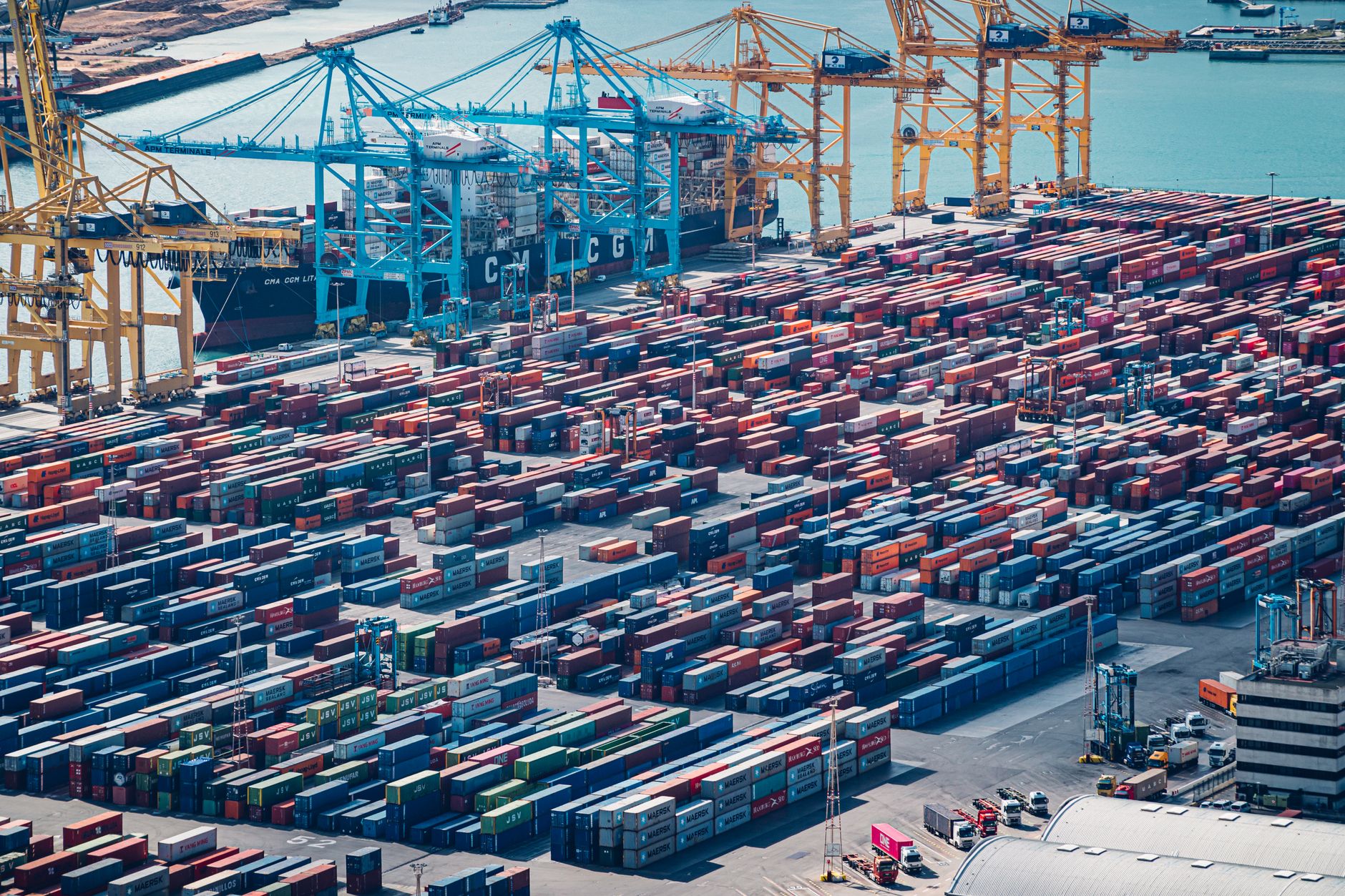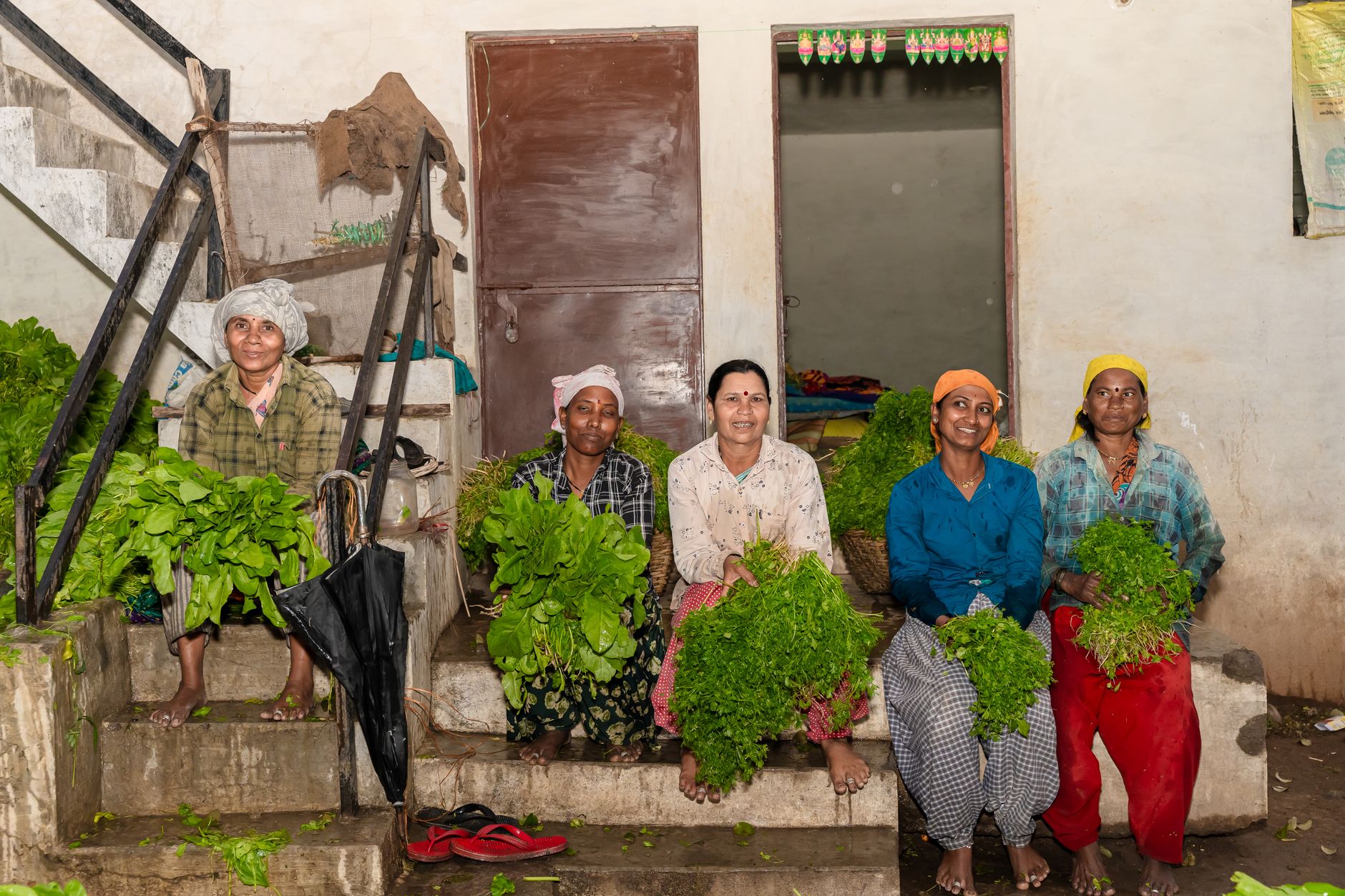
The Nigerian Export Promotion Council (NEPC) has announced strategic programmes designed to integrate women, youths, and farmers into the global export value chain, marking a significant shift in the country's approach to diversifying its export base beyond crude oil.
This fresh push comes at a critical time when Nigeria seeks to reduce its heavy dependence on petroleum exports and strengthen the contribution of non-oil sectors to foreign exchange earnings and economic growth.
Why These Groups Matter for Export Growth
Women entrepreneurs, young business owners, and smallholder farmers collectively represent a substantial portion of Nigeria's productive economy, yet they have historically faced barriers to participating in international trade. These barriers include limited access to finance, inadequate knowledge of export procedures, poor market linkages, and challenges meeting international quality standards.
By specifically targeting these demographics, NEPC aims to unlock significant untapped export potential across sectors including agriculture, agro-processing, textiles, handicrafts, and light manufacturing.
Women-owned businesses often specialise in value-added agricultural products, traditional crafts, and fashion items that have strong appeal in international markets. Youth entrepreneurs bring innovation, digital skills, and adaptability to modern trade practices. Meanwhile, farmers produce the raw materials that form the foundation of many exportable products.
Key Focus Areas of the Initiative
The export promotion strategy is expected to encompass several interconnected components designed to address the specific challenges faced by these target groups.
Capacity building programmes will likely feature prominently, providing training on export documentation, compliance with international standards, packaging requirements, and understanding foreign market preferences. These educational initiatives help demystify the export process for first-time exporters.
- Enhanced access to export finance and credit facilities
- Training on quality standards and certification processes
- Market information services connecting producers with international buyers
- Support for forming export-oriented cooperatives and clusters
- Assistance with product development and packaging improvements
- Facilitation of participation in international trade fairs and exhibitions
Financial support mechanisms are crucial, as many women entrepreneurs and small-scale farmers lack the working capital needed to scale production for export markets or to meet the upfront costs associated with certification and compliance.
The Agricultural Export Opportunity
Agriculture remains Nigeria's largest employer and holds enormous potential for export expansion. The country produces significant volumes of cocoa, cashew nuts, sesame seeds, ginger, hibiscus, and various fruits and vegetables that enjoy strong demand globally.
However, most smallholder farmers currently sell into local markets due to limited awareness of export opportunities and challenges meeting the stringent phytosanitary and quality requirements of international buyers.
By providing farmers with technical assistance on good agricultural practices, post-harvest handling, and quality control, NEPC aims to help them produce export-grade commodities consistently. Organising farmers into cooperatives or clusters also helps achieve the economies of scale necessary for export viability.
Women and Youth in the Export Ecosystem
Nigerian women have demonstrated considerable entrepreneurial capabilities in sectors such as food processing, textiles, cosmetics, and handicrafts. Many produce high-quality items that could compete internationally but lack the networks and knowledge to reach foreign buyers.
Youth entrepreneurs, meanwhile, are increasingly leveraging digital platforms and e-commerce to access markets, bringing a modern approach to traditional export businesses. Their comfort with technology positions them to navigate digital trade documentation, online marketing, and virtual business negotiations that are becoming standard in international commerce.
Expected Economic Impact
If successfully implemented, these targeted interventions could yield multiple benefits for the Nigerian economy. Increased non-oil exports would improve foreign exchange earnings and reduce currency volatility. Job creation would follow as export businesses expand, while rural incomes would rise as more farmers access premium international markets.
Furthermore, empowering women economically has demonstrated multiplier effects on household welfare, education, and community development. Youth engagement in productive export activities could help address unemployment challenges while retaining talented young people who might otherwise seek opportunities abroad.
Implementation Challenges
Despite the promising objectives, several obstacles could affect programme effectiveness. These include infrastructure deficits such as poor rural roads, unreliable power supply, and limited cold chain facilities for perishable exports. Bureaucratic inefficiencies in ports and customs can also erode the competitiveness of Nigerian exports.
Sustained funding, effective coordination among government agencies, and genuine private sector partnership will be essential to translate these initiatives into measurable export growth and economic empowerment for the target populations.