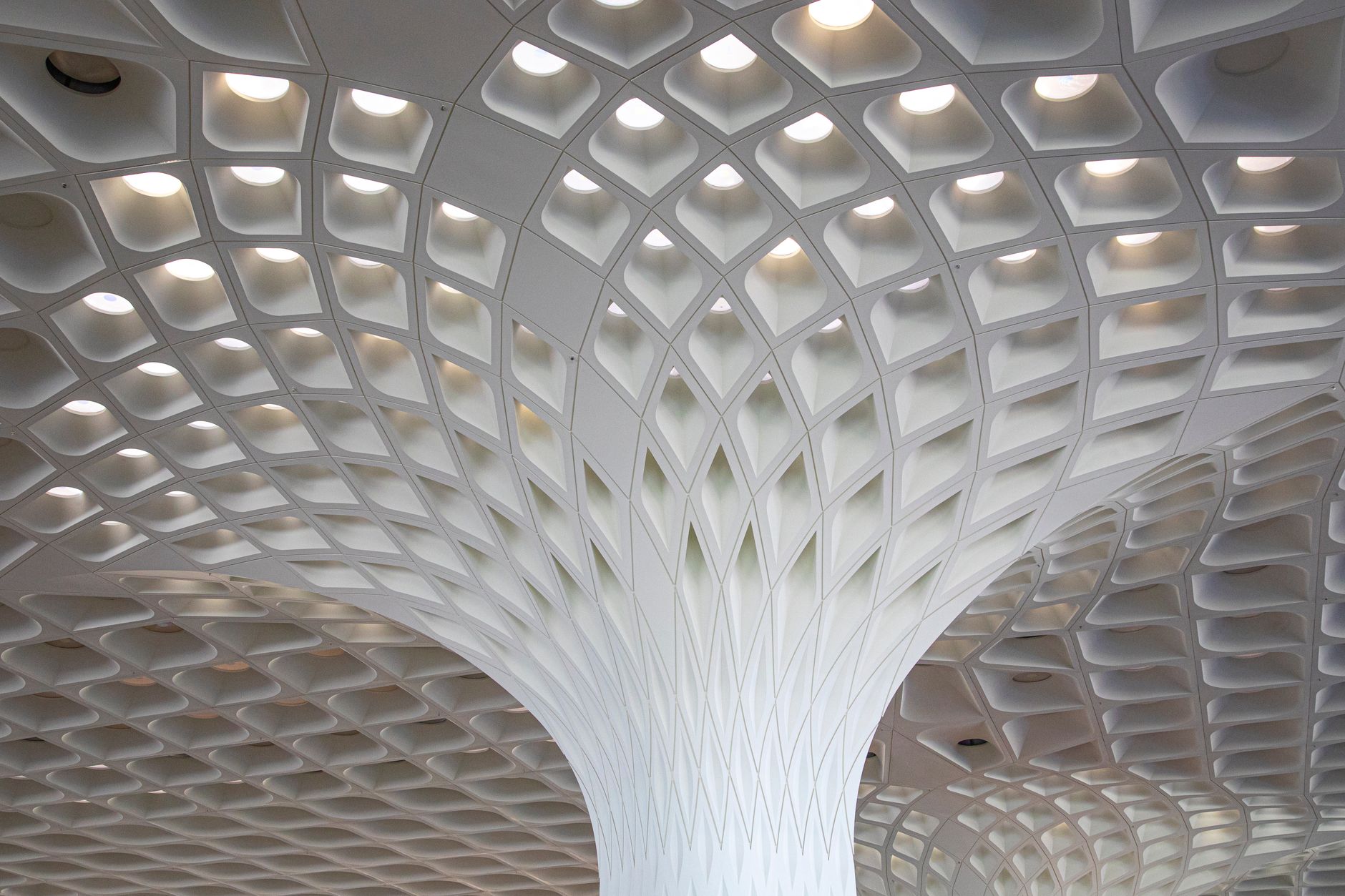
India's aviation infrastructure has reached a new milestone with Navi Mumbai International Airport Terminal 1 earning recognition among the world's most beautiful airports. The acknowledgment highlights India's growing emphasis on creating world-class travel facilities that blend functionality with aesthetic excellence.
A New Era for Mumbai Aviation
Navi Mumbai International Airport represents a significant expansion of the Mumbai metropolitan region's aviation capacity. Located across the harbour from Mumbai's existing Chhatrapati Shivaji Maharaj International Airport, this new facility was designed to ease congestion and provide enhanced passenger experiences. Terminal 1's recognition for its beauty underscores the successful execution of this vision.
The airport's design philosophy appears to draw inspiration from India's rich cultural heritage while incorporating modern architectural principles. This approach has become increasingly common in Indian infrastructure projects, where designers seek to create spaces that feel authentically Indian while meeting international standards.
Design Elements That Stand Out
Several factors typically contribute to an airport terminal earning recognition for beauty. These often include:
- Innovative use of natural light through expansive windows and skylights
- Integration of local materials and craftsmanship
- Spacious layouts that reduce passenger stress
- Incorporation of green spaces and sustainable design elements
- Thoughtful wayfinding and passenger flow management
- Art installations and cultural displays
- Advanced technology seamlessly integrated into the design
Modern airport terminals have evolved far beyond purely functional spaces. They now serve as ambassadors for their cities and countries, creating first and last impressions for millions of travellers. The recognition of Navi Mumbai's Terminal 1 suggests it successfully balances these multiple objectives.
India's Airport Transformation
This achievement comes amid a broader transformation of Indian aviation infrastructure. Over the past decade, India has invested heavily in upgrading existing airports and building new ones. Cities across the country have unveiled terminals that compete with the best in the world, from Delhi's Terminal 3 to Bengaluru's Terminal 2.
The focus on aesthetics alongside capacity reflects India's aspirations as a global aviation hub. With air travel demand in India projected to grow substantially in coming decades, creating airports that passengers actually enjoy using becomes increasingly important for maintaining competitiveness.
Economic and Tourism Impact
Beautiful, efficient airports generate benefits beyond passenger satisfaction. They can significantly boost local tourism by creating positive first impressions. International travellers often make snap judgments about a destination based on their airport experience, making design quality a genuine economic factor.
For Navi Mumbai specifically, the airport is expected to catalyse development in surrounding areas. The combination of excellent connectivity and an impressive terminal facility makes the region more attractive for business investment and residential development.
Sustainability Considerations
Contemporary airport design increasingly emphasizes environmental sustainability. While specific details of Terminal 1's green credentials would depend on its actual features, modern award-winning airports typically incorporate:
- Energy-efficient climate control and lighting systems
- Rainwater harvesting and water recycling
- Solar power generation
- Use of sustainable and locally sourced building materials
- Designs that maximize natural ventilation and lighting
These features allow airports to reduce their environmental footprint while often creating more pleasant spaces for passengers through increased natural light and better air quality.
Setting New Standards
The recognition of Navi Mumbai Airport Terminal 1 raises the bar for future Indian aviation infrastructure projects. As more cities plan airport expansions or new facilities, they now have an additional domestic benchmark alongside international examples.
This competitive dynamic benefits passengers, who can expect increasingly impressive facilities across India's airport network. It also benefits the Indian architecture and design community, showcasing their capability to deliver world-class projects.
Global Context
Airport design has become an arena of international competition, with countries using their aviation gateways as symbols of national achievement. Singapore's Jewel Changi, Beijing Daxing International, and Istanbul Airport represent recent examples of facilities that blur the lines between transportation infrastructure and architectural landmarks.
India's entry into this elite group with Navi Mumbai demonstrates the country's growing capacity to execute infrastructure projects that meet the highest global standards. It signals India's readiness to compete not just on capacity and efficiency, but on creating memorable, beautiful spaces that enhance the travel experience.
The success of Terminal 1 may inspire other cities to prioritize design excellence in their own airport projects, potentially leading to a new golden age of Indian airport architecture.