The global architecture community is buzzing following the announcement that Rotterdam-based firm MVRDV has secured victory in the prestigious Shift International Architecture Competition. Their winning concept, titled "Rotterdam Rocks!" and valued at €240 million, represents an ambitious vision for sustainable design that organizers are calling a potential "Wonder of the World" for the modern era.
A Bold Vision for Sustainable Architecture
MVRDV, known for pushing boundaries in contemporary architecture, has proposed a Biotopia concept that merges cutting-edge ecological principles with striking visual design. The project aims to demonstrate how large-scale architectural developments can prioritize environmental sustainability while creating iconic landmarks that capture public imagination.
The €240 million investment signals serious commitment to realizing a project that goes beyond traditional green building standards. Instead, the Biotopia concept appears designed to showcase what future sustainable architecture might look like when environmental concerns are placed at the absolute core of design philosophy rather than treated as an afterthought.
Understanding the Biotopia Concept
At its heart, Biotopia represents an architectural approach that treats buildings as living ecosystems rather than static structures. This philosophy incorporates several key principles:
- Integration of natural systems directly into the building's design and function
- Use of bio-based and recycled materials throughout construction
- Creation of habitats for urban wildlife and plant species
- Advanced water management and energy generation systems
- Spaces that actively improve air quality and urban microclimates
The "Rotterdam Rocks!" title suggests the design may incorporate geological or natural elements as primary features, possibly drawing inspiration from natural rock formations while reimagining them through a contemporary sustainable lens.
Why Rotterdam Matters
Rotterdam's selection as the home for this groundbreaking project is particularly significant. The Dutch city has long positioned itself as a laboratory for innovative architecture and urban planning. Having been largely rebuilt after World War II, Rotterdam lacks the historical preservation constraints of older European cities, allowing architects greater freedom to experiment.
The city already hosts numerous MVRDV projects and other architectural landmarks, creating an environment where bold designs are welcomed and celebrated. Its position below sea level and vulnerability to climate change also makes Rotterdam an appropriate location for showcasing climate-resilient, sustainable building practices.
The International Competition Context
International architecture competitions like the Shift competition serve as crucial platforms for advancing architectural innovation. They allow firms to propose visionary concepts that might struggle to find backing through conventional development channels. By framing the project as potentially creating the next "Wonder of the World," organizers have clearly set their ambitions high.
These competitions typically attract entries from hundreds of firms worldwide, making MVRDV's victory particularly noteworthy. The selection process usually involves expert juries evaluating designs based on innovation, feasibility, sustainability credentials, and cultural significance.
MVRDV's Track Record
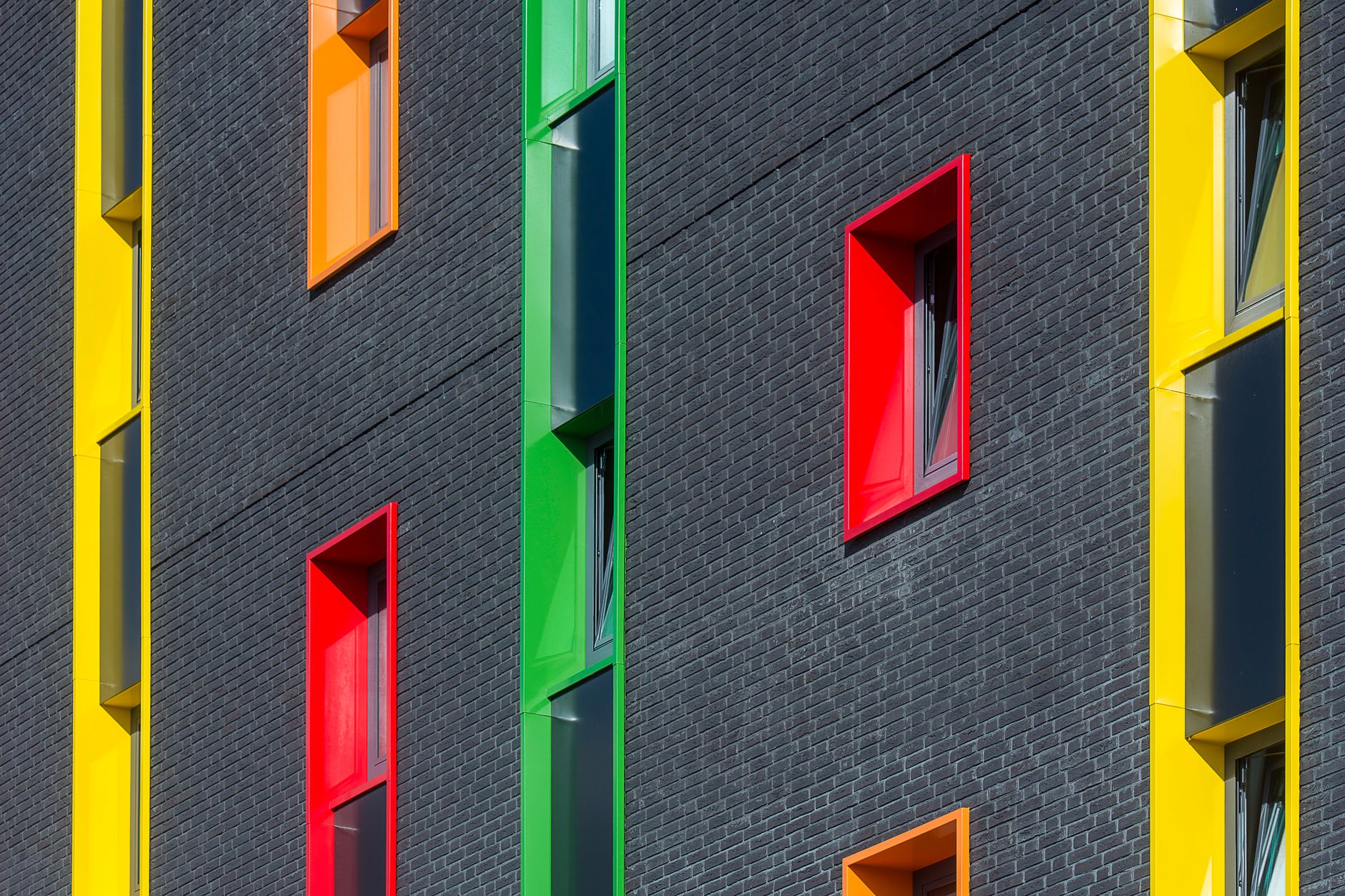
MVRDV has built an international reputation for projects that challenge conventional architectural thinking. The firm's portfolio includes the Markthal Rotterdam, a mixed-use residential and market hall building featuring one of the world's largest artworks, and the Tianjin Binhai Library in China, famous for its dramatic terraced bookshelves.
Their approach typically combines bold geometric forms with functional innovation and sustainability features, suggesting "Rotterdam Rocks!" will deliver on both visual impact and environmental performance.
Implications for Future Architecture
If realized, the Biotopia project could set new benchmarks for what constitutes truly sustainable architecture at monumental scale. The €240 million budget allows for implementation of technologies and approaches that smaller projects cannot afford, potentially demonstrating solutions that can later be adapted for more modest developments.
The "Wonder of the World" framing also signals an important shift in how we define architectural achievement. Rather than celebrating size or opulence alone, this designation emphasizes sustainability and environmental responsibility as central to architectural excellence.
Next Steps
Following competition success, the project will likely enter detailed design development, regulatory approval processes, and final financing arrangements. The timeline from competition victory to completed building typically spans several years for projects of this scale and complexity.
As climate concerns intensify globally, projects like "Rotterdam Rocks!" may represent the beginning of a new era in architecture where environmental performance becomes inseparable from design excellence, rather than an optional extra.