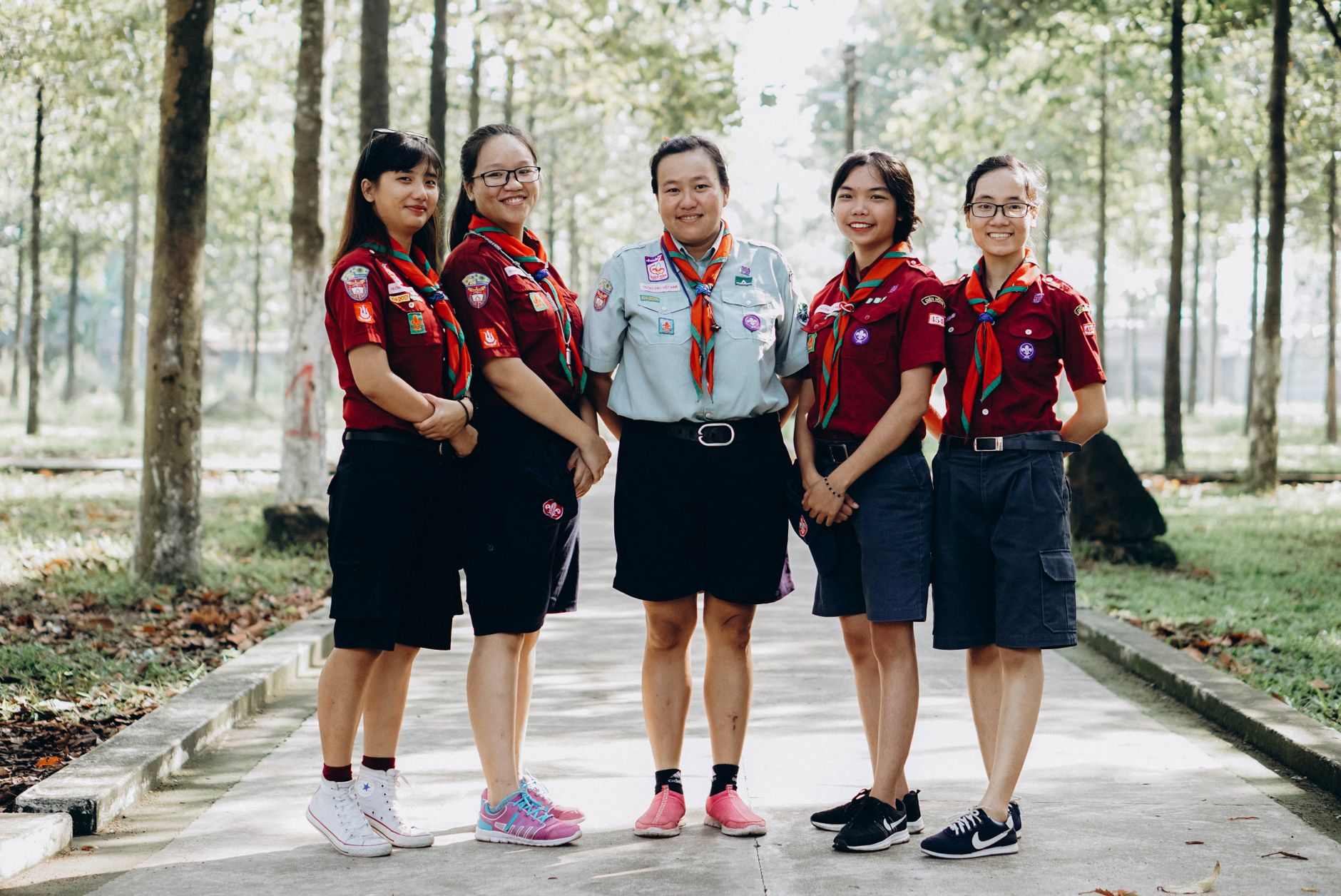
Mongolia has opened its vast steppes and rich cultural heritage to thousands of young Scouts participating in the country's third International Jamboree, an event that brings together youth from diverse nations to celebrate the global Scouting movement. The gathering marks a significant milestone for Mongolia's Scouting community and highlights the nation's growing role in international youth development programs.
What Is an International Jamboree
International Jamborees are large-scale gatherings organized by the World Organization of the Scout Movement (WOSM) and its member countries, bringing together Scouts typically aged 14 to 17 from around the world. These events occur every few years in different host countries and serve as platforms for cultural exchange, leadership development, and outdoor adventure activities.
Participants camp together for approximately one to two weeks, engaging in activities ranging from traditional Scouting skills like camping and orienteering to modern workshops on global citizenship, environmental conservation, and peace-building. The jamborees emphasize the universal values of Scouting established by founder Robert Baden-Powell over a century ago.
Mongolia's Growing Scouting Movement
Mongolia's Scouting movement has experienced remarkable growth since its reestablishment in the 1990s following the country's democratic transition. The Mongolian Scout Organization has steadily increased its membership and infrastructure, making it capable of hosting international events that require substantial logistical coordination and facilities.
Hosting an International Jamboree represents significant recognition from WOSM and demonstrates confidence in Mongolia's organizational capabilities and its unique offerings as a host nation. The country's dramatic landscapes, from rolling grasslands to the Gobi Desert, provide an exceptional natural setting for outdoor education and adventure activities central to Scouting.
Cultural Exchange and Learning Opportunities
The jamboree serves as a living classroom where young people from different continents interact, share traditions, and develop friendships that transcend borders. Participants experience Mongolian culture firsthand through traditional music performances, demonstrations of eagle hunting, horseback riding, and sampling local cuisine including dairy products and meat dishes central to nomadic heritage.
International visitors learn about Mongolia's unique position between Russia and China, its nomadic traditions that persist alongside modern development, and its Buddhist heritage. Meanwhile, Mongolian Scouts gain exposure to global perspectives and form connections with peers from countries they might otherwise never visit.
Activities and Program Highlights
The jamboree program typically includes numerous activity zones where Scouts can:
- Develop outdoor survival skills including fire-making, shelter construction, and navigation
- Participate in cultural workshops showcasing crafts, music, and traditions from participating countries
- Engage in sports competitions and adventure challenges
- Attend sessions on sustainable development goals and environmental stewardship
- Experience Mongolian traditions such as archery, wrestling, and traditional games
- Join evening entertainment programs featuring international performances and campfire gatherings
Adventure activities may take advantage of Mongolia's unique terrain, offering experiences like desert trekking, mountain hiking, and visits to historical sites such as ancient monasteries or dinosaur fossil locations.
Impact on Host Communities
Hosting international youth gatherings benefits Mongolia beyond the immediate event. The influx of visitors boosts local economies through tourism-related spending and brings international attention to Mongolia as a destination. Infrastructure improvements made for the jamboree, including campsite facilities and transportation enhancements, often serve communities long after participants depart.
The event also inspires Mongolian youth to engage more deeply with Scouting and volunteer work, potentially creating a generation of community leaders equipped with skills and global perspectives. Young Mongolians volunteering as staff or interpreters gain valuable experience in event management and cross-cultural communication.
The Broader Significance
In an increasingly interconnected yet often divided world, International Jamborees provide crucial opportunities for young people to recognize their common humanity despite cultural differences. Participants return home as unofficial ambassadors, sharing insights about countries and cultures they experienced firsthand, potentially breaking down stereotypes and fostering international understanding.
For Mongolia, successfully hosting this third International Jamboree reinforces its emergence as a nation capable of organizing major international events while showcasing its distinctive culture and natural beauty to a global youth audience. The connections formed during these intensive weeks of shared experiences often last lifetimes, creating informal networks of global citizens committed to Scouting's principles of peace, cooperation, and service.