Freedom House, a Washington-based independent watchdog organization, publishes annual assessments of political rights and civil liberties in countries worldwide. The inclusion of India in the "Freedom in the World 2026" report has generated significant discussion about democratic health, institutional strength, and citizen freedoms in the world's most populous nation.
Understanding Freedom House Assessments
Freedom House evaluates countries based on two broad categories: political rights and civil liberties. Political rights encompass electoral processes, political pluralism, and government functioning. Civil liberties cover freedom of expression, associational rights, rule of law, and personal autonomy. Each country receives a numerical score that places it in one of three categories: Free, Partly Free, or Not Free.
The organization's methodology examines multiple dimensions including the fairness of electoral systems, the independence of judiciary, media freedom, protection of minority rights, and the ability of citizens to participate in civic life without fear of reprisal. These assessments draw on expert consultations, news reports, academic analyses, and visits by research teams.
India's Democratic Framework
India operates as a federal parliamentary democratic republic with a Constitution that guarantees fundamental rights to its 1.4 billion citizens. The country conducts regular elections at local, state, and national levels, with the Election Commission overseeing the process. The judiciary functions independently, media organizations operate across diverse platforms, and civil society remains vibrant with numerous non-governmental organizations working on various issues.
The nation's democratic institutions have evolved over seven decades since independence, weathering multiple challenges including regional tensions, communal divisions, and economic transformations. Parliament debates legislation, opposition parties contest elections, and citizens exercise voting rights in what are often described as the world's largest democratic exercises.
Key Areas of Scrutiny
Freedom assessments typically examine several critical areas in democratic governance. Electoral integrity looks at whether elections are conducted fairly, whether opposition parties can campaign freely, and whether results reflect genuine voter preferences. India's electronic voting machines and extensive election monitoring systems are often studied in this context.
Media independence represents another crucial metric. A free press serves as a watchdog on government actions and provides citizens with diverse information sources. Assessments consider whether journalists can report without intimidation, whether media ownership is concentrated, and whether legal frameworks protect or restrict press freedom.
Minority rights and religious freedom form essential components of democratic health. In diverse societies, the protection of various religious, linguistic, and ethnic communities indicates the strength of constitutional safeguards. Observers examine whether all communities enjoy equal protection under law and equal access to opportunities.
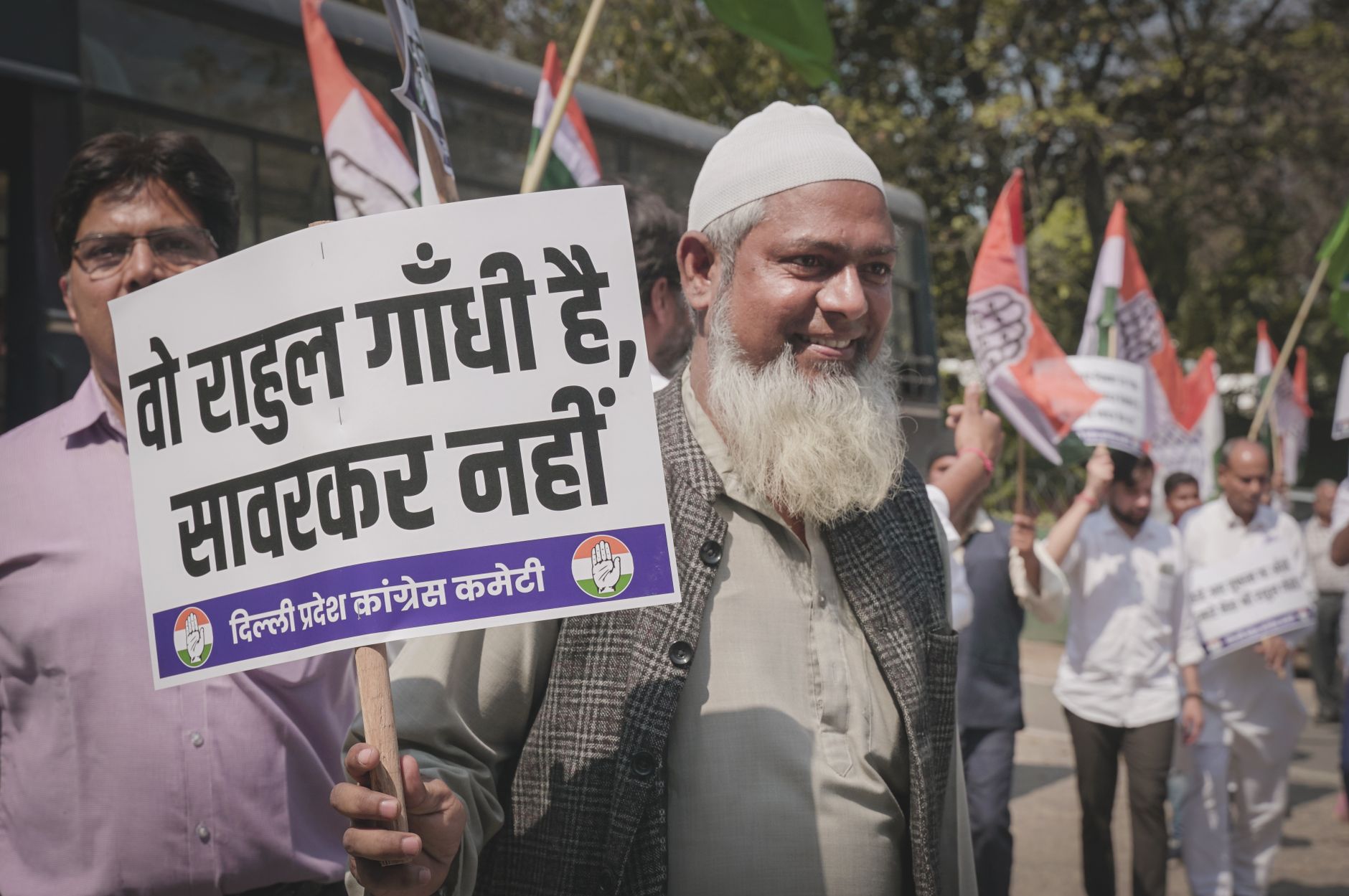
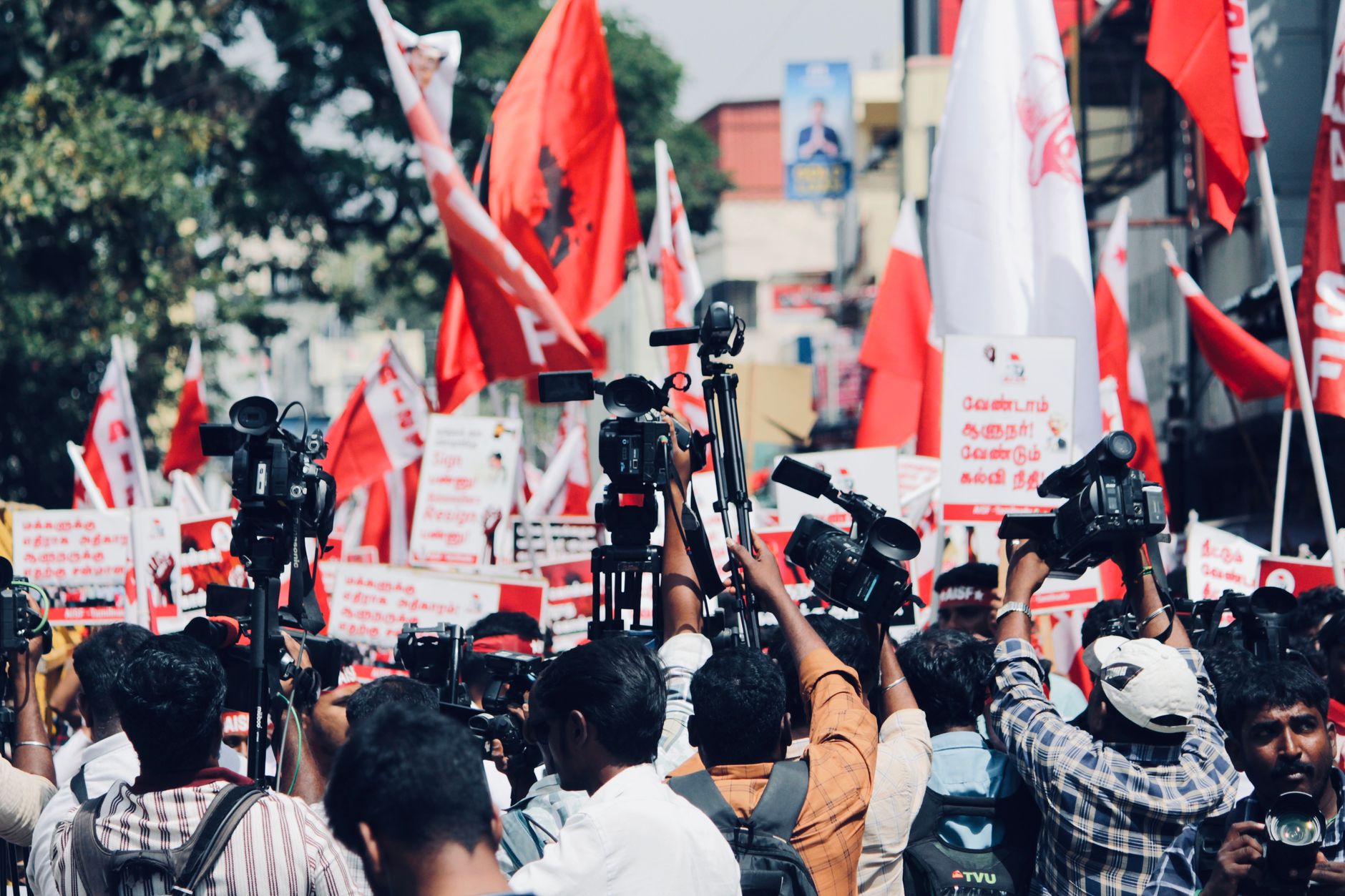
Civil society space measures whether citizens can form organizations, advocate for causes, and protest peacefully. Restrictions on foreign funding for NGOs, registration requirements, and protest regulations all factor into these evaluations.
Global Democracy Trends
India's assessment must be understood within broader global contexts. Freedom House reports have documented democratic backsliding in various regions over the past decade. Established democracies face challenges from polarization, disinformation, and erosion of institutional norms, while authoritarian regimes have become more sophisticated in maintaining control.
Technology has introduced new dimensions to freedom assessments. Internet shutdowns, digital surveillance, and online censorship have become tools that governments deploy, sometimes citing security concerns. The balance between national security and individual privacy rights remains contentious globally.
Implications for Citizens and Investors
Freedom rankings carry practical implications beyond academic interest. International investors often consider political stability and rule of law when making decisions. Democratic institutions that function transparently with predictable legal frameworks generally attract long-term investment.
For ordinary citizens, freedom assessments highlight areas where civic engagement matters most. Whether through voting, participating in community organizations, or staying informed about policy debates, individual actions collectively shape democratic culture.
Responding to Assessments
Countries respond differently to freedom evaluations. Some dismiss external assessments as interference in domestic affairs, while others use them as opportunities for reform dialogue. Civil society organizations often reference these reports when advocating for policy changes, while governments may dispute methodology or specific findings.
The value of such assessments lies not in any single score but in tracking trends over time and understanding the factors that strengthen or weaken democratic institutions. Engaged citizens who understand these dynamics can better participate in shaping their country's democratic future.
This article provides general information about freedom assessments and democratic governance. Readers should consult multiple sources and primary documents for comprehensive understanding of any country's political situation.