The annual Freedom in the World report has become a critical barometer for assessing the health of democracies worldwide. As the 2026 edition draws attention to a concerning pattern of democratic erosion across multiple nations, India finds itself among the countries facing questions about the trajectory of its democratic institutions and freedoms.
Understanding the Global Democratic Decline
Democracy worldwide has been experiencing what experts call a sustained period of decline for over a decade. This phenomenon, often termed democratic backsliding, refers to the gradual weakening of democratic norms, institutions, and practices in countries that were previously considered stable democracies or emerging democratic states.
The backsliding manifests in various forms including restrictions on press freedom, reduced independence of judiciary and electoral bodies, curtailment of civil society organizations, and increased executive overreach. These changes rarely happen overnight but accumulate through incremental policy shifts and institutional erosion.
India's Position in the Global Democratic Landscape
India, the world's largest democracy with over 1.4 billion citizens, occupies a unique position in these global assessments. The country's democratic credentials have historically rested on regular elections, a vibrant civil society, a free press, and strong constitutional institutions established after independence in 1947.
However, recent years have seen international organizations and democratic watchdogs express mounting concerns about the state of democratic freedoms in India. These concerns center around several key areas that impact the everyday lives of Indian citizens and the functioning of democratic institutions.
Key Areas of Concern
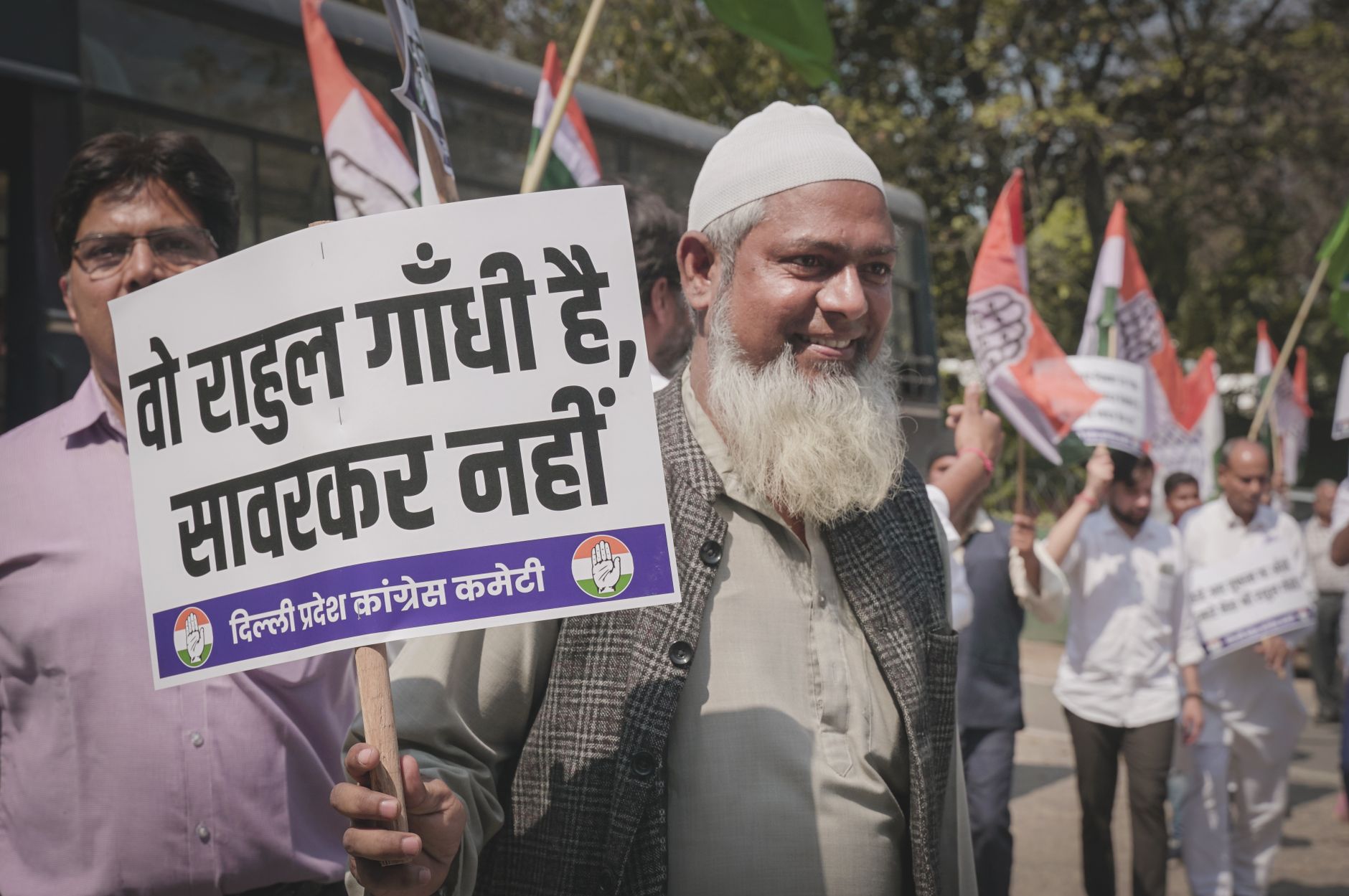
Civil liberties have emerged as a significant point of discussion. Questions have been raised about the use of sedition laws, restrictions on peaceful assembly, and the treatment of dissenting voices. The space for civil society organizations, particularly those receiving foreign funding, has reportedly narrowed through regulatory measures.
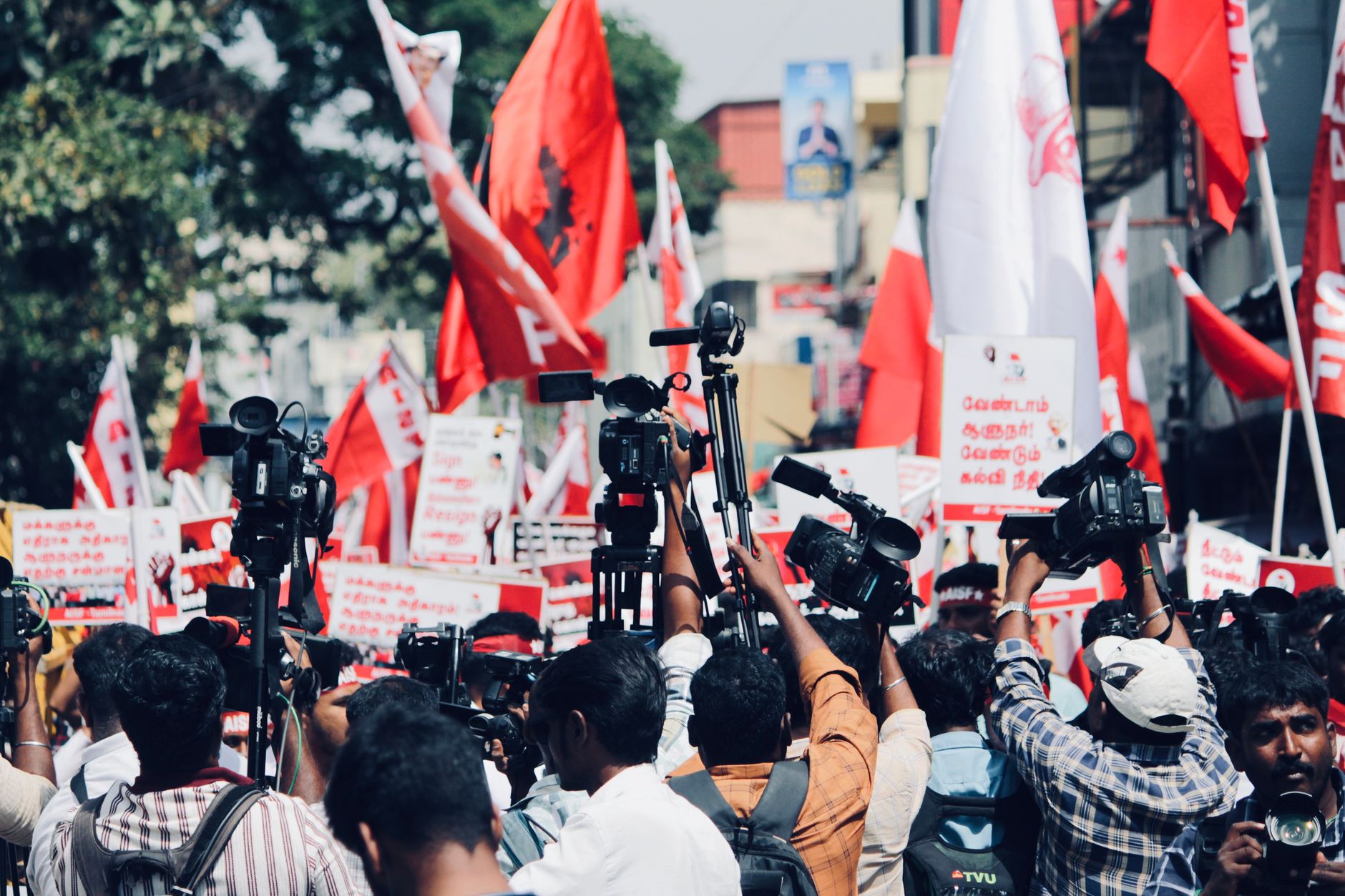
Press freedom represents another critical dimension. International press freedom indices have noted concerns about journalist safety, legal pressures on media organizations, and the concentration of media ownership. Self-censorship among journalists has also been flagged as an emerging issue affecting the free flow of information.
The independence of key democratic institutions has come under scrutiny. Debates about the autonomy of investigating agencies, the appointment processes for constitutional bodies, and the functioning of electoral systems have featured prominently in domestic and international discourse.
Religious minorities and their treatment have garnered particular attention. Issues related to communal tensions, the implementation of citizenship laws, and alleged instances of discrimination have been highlighted in various international reports on religious freedom and human rights.
The Government's Perspective
The Indian government has consistently rejected external assessments that cast doubt on its democratic credentials. Officials argue that India's democratic foundations remain strong, pointing to regular elections with high voter turnout, an independent judiciary, and a constitution that guarantees fundamental rights.
Government representatives often characterize external criticism as reflecting a poor understanding of India's complex social fabric and the challenges of governing a diverse nation of over a billion people. They emphasize that India's democracy must be evaluated within its unique historical and social context.
Regional and Global Implications
India's democratic health carries significance beyond its borders. As a major power in South Asia and an influential voice in global forums, India's democratic practices influence regional trends and international democratic solidarity.
The country's experience with democratic governance serves as a reference point for other large, diverse democracies navigating the challenges of pluralism, development, and security. How India addresses current concerns about its democratic trajectory will likely influence democratic discourse across the developing world.
The Path Forward
Strengthening democratic institutions requires sustained commitment from government, civil society, media, and citizens. Transparent governance, protection of fundamental rights, and space for dissent are essential components of a healthy democracy.
International assessments, while sometimes contentious, serve as external reference points for self-reflection and course correction. The true test of democratic maturity lies in how a nation responds to criticism and works to address legitimate concerns while maintaining its sovereignty and unique democratic character.
The conversation around India's democracy reflects broader global tensions about the future of democratic governance in an era of rising authoritarianism, technological disruption, and complex security challenges. The resolution of these tensions will shape not just India's future but the global democratic landscape for generations to come.