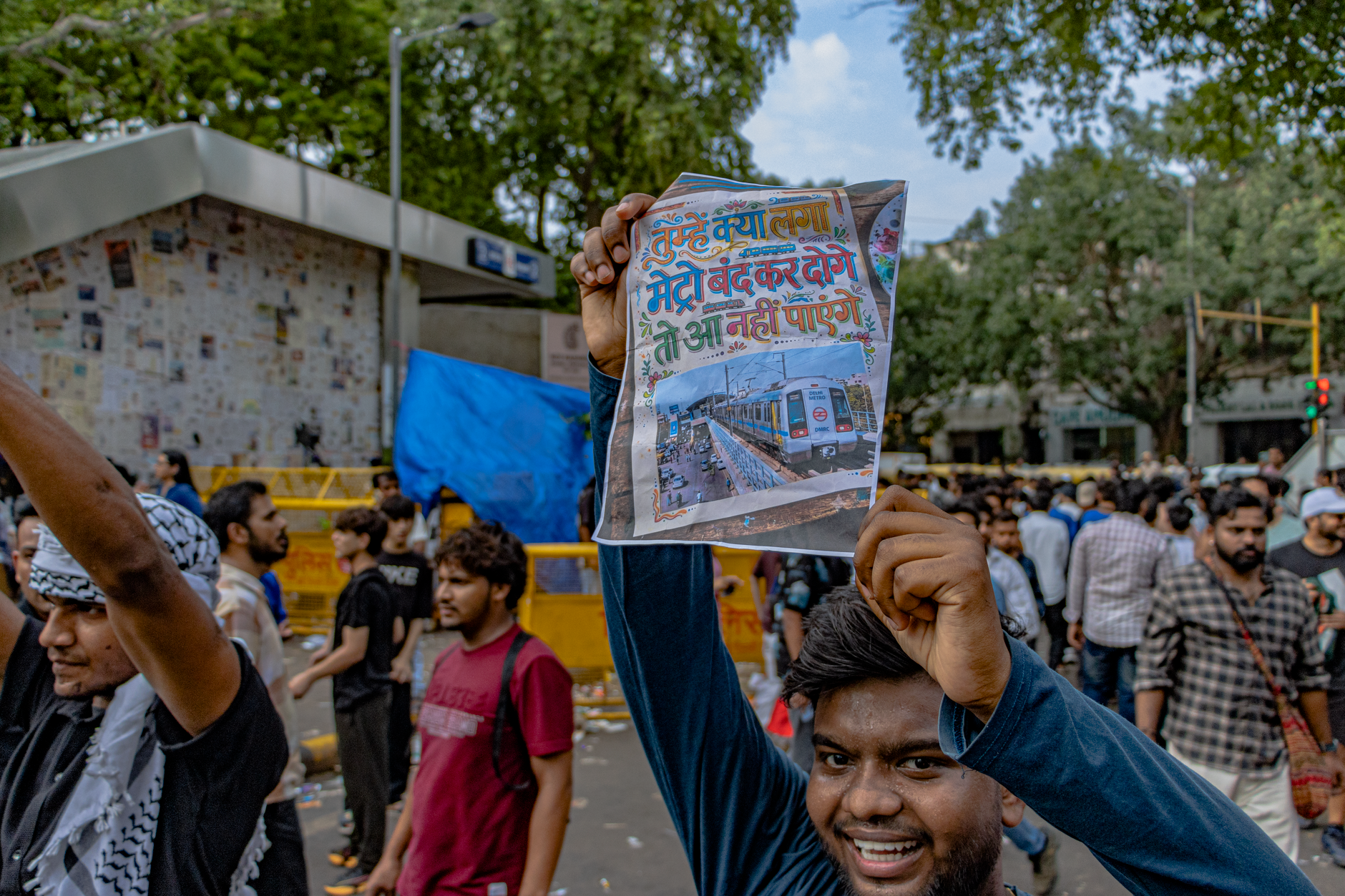
The use of the term "cockroaches" to describe migrant workers in India has sparked widespread outrage both domestically and internationally, drawing attention to deep-seated social prejudices and the precarious conditions faced by internal migrants across the country.
The Context Behind the Controversy
India's internal migrant population numbers in the hundreds of millions, with workers moving from rural areas to urban centers in search of employment and better opportunities. These individuals typically occupy lower-wage positions in construction, domestic work, manufacturing, and service industries. Despite their critical contribution to India's economic growth, migrant workers often face marginalization, exploitation, and social stigma in their destination cities.
The dehumanizing language directed at this vulnerable population reflects broader attitudes that have historical roots in caste discrimination and economic inequality. When public figures or media outlets use such derogatory terms, it normalizes prejudice and creates an environment where labor rights violations and social exclusion can flourish unchecked.
International Response and Solidarity
The global reaction to this incident demonstrates growing awareness of migrant workers' rights as a universal human rights issue. International labor organizations, human rights groups, and diaspora communities have condemned the use of such language, drawing parallels to dehumanizing rhetoric used against vulnerable populations worldwide.
Several international bodies have called attention to the situation:
- The International Labour Organization has highlighted the need for dignity in work and protection of migrant workers' rights
- Human rights advocacy groups have documented patterns of discrimination faced by internal migrants in India
- Social media campaigns have amplified voices of migrant workers sharing their experiences
- Diaspora organizations have expressed solidarity, noting the irony given that millions of Indians are themselves migrants in other countries
The Reality of Migrant Workers in India
Understanding the controversy requires acknowledging the daily challenges faced by India's migrant workforce. Many leave their home states due to limited economic opportunities, seasonal agricultural cycles, or natural disasters affecting their livelihoods.
Upon arrival in cities like Mumbai, Delhi, Bangalore, or Chennai, these workers typically encounter numerous obstacles. Housing remains a critical issue, with many forced to live in overcrowded slums or informal settlements lacking basic amenities. Access to healthcare, education for children, and social services is often limited due to administrative barriers and lack of local documentation.
The COVID-19 pandemic dramatically exposed these vulnerabilities when lockdowns trapped millions of migrants in cities without work, income, or support systems. The images of workers walking hundreds of kilometers to return to their villages became a defining moment that brought international attention to their plight.
Legal Protections and Gaps
India's legal framework theoretically provides protections for all workers, including migrants. The Constitution guarantees freedom of movement and the right to reside anywhere in the country. Various labor laws ostensibly protect workers' rights regardless of their origin.
However, implementation remains inconsistent. Many migrant workers operate in the informal economy where labor regulations are poorly enforced. They often lack written contracts, social security benefits, or recourse when facing exploitation. Language barriers, unfamiliarity with local systems, and fear of authorities further complicate their ability to access justice.
Moving Toward Solutions
Addressing the systemic issues facing migrant workers requires multi-faceted approaches:
- Strengthening enforcement of existing labor laws and extending social security coverage to informal sector workers
- Creating portable benefits systems that allow workers to access entitlements across state boundaries
- Implementing anti-discrimination measures and public awareness campaigns to combat social prejudice
- Ensuring access to basic services like healthcare and education regardless of documentation status
- Establishing grievance redressal mechanisms accessible to migrant populations
The Role of Public Discourse
Language matters in shaping public attitudes and policy priorities. When influential voices use dehumanizing terms, it becomes easier to ignore suffering and deny basic dignity to vulnerable groups. Conversely, respectful discourse that acknowledges migrant workers' humanity and contributions can shift social attitudes and create momentum for meaningful reform.
The international attention on this issue presents an opportunity for India to strengthen protections for its migrant workforce and align practices with its stated commitment to inclusive development. As the country aspires to global economic leadership, ensuring dignity and rights for all workers becomes not just a moral imperative but an economic necessity.