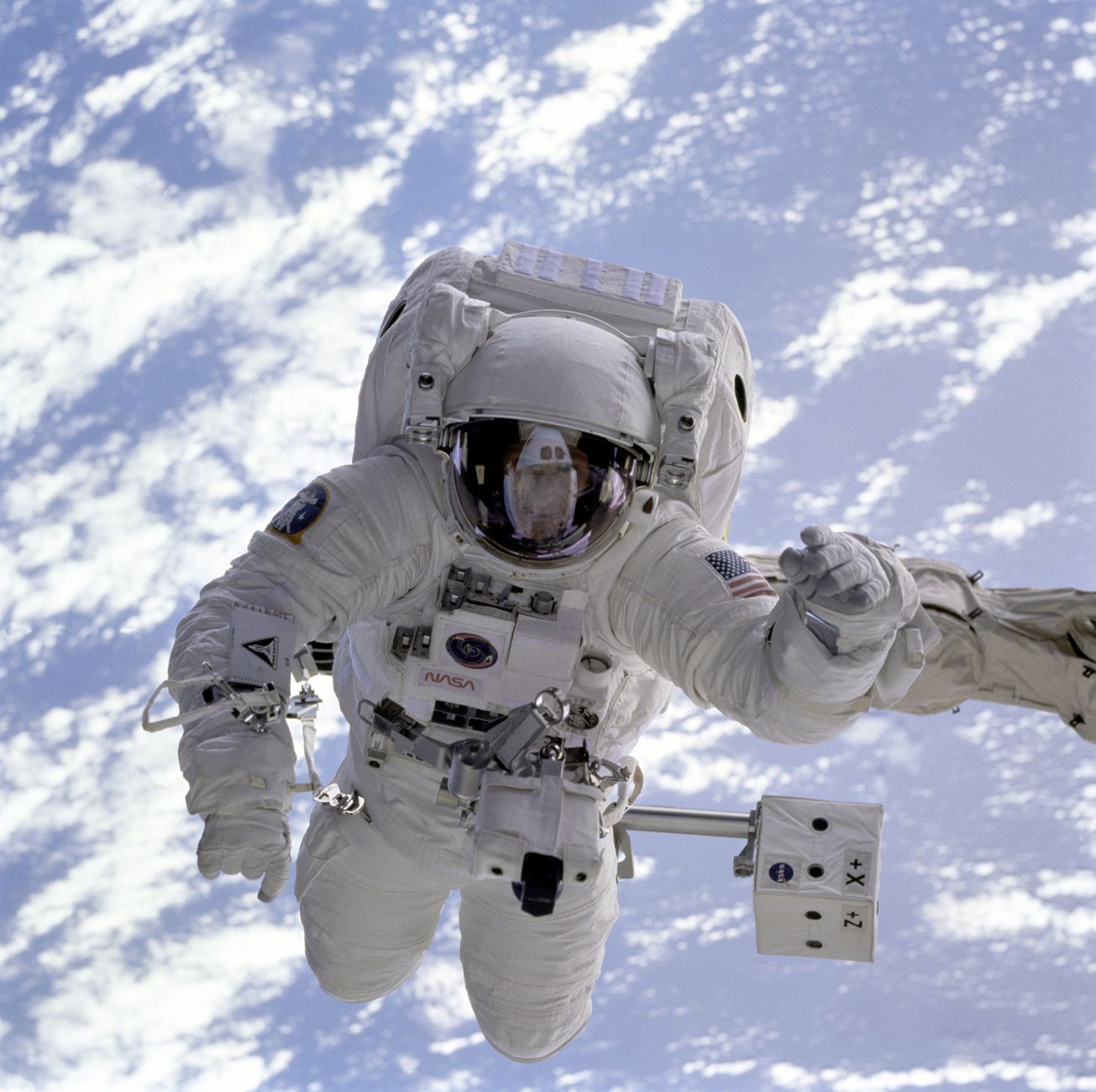
The International Space Station continues to be a symbol of human achievement in space exploration, and soon it will witness another historic moment as Indian-origin NASA astronaut Anil Menon prepares to venture outside the orbiting laboratory for his first spacewalk. This milestone represents not only a personal achievement for Menon but also serves as an inspiration for aspiring astronauts from the Indian community around the world.
Understanding Spacewalks and Their Importance
Spacewalks, officially known as Extravehicular Activities or EVAs, are among the most challenging and critical operations conducted by astronauts. During these excursions, astronauts leave the relative safety of their spacecraft to perform maintenance, repairs, or scientific experiments in the harsh environment of space.
The conditions astronauts face during spacewalks are extreme. They work in a vacuum where temperatures can swing from minus 250 degrees Fahrenheit in shadow to plus 250 degrees in sunlight. The specialized spacesuits worn during these activities essentially function as personal spacecraft, providing oxygen, temperature regulation, and protection from micrometeoroids and radiation.
Anil Menon's Journey to Space
Anil Menon's path to becoming a NASA astronaut represents years of dedication and expertise. Before joining NASA's astronaut corps, Menon served as a flight surgeon, providing medical support for various space missions. His background in medicine and aviation has uniquely positioned him for the multifaceted demands of space exploration.
The selection process to become a NASA astronaut is notoriously competitive, with thousands of applicants vying for just a handful of positions each selection cycle. Candidates must possess advanced degrees in STEM fields, professional experience, and often military or pilot credentials. Once selected, astronauts undergo rigorous training that includes learning Russian, practicing spacewalk procedures in giant swimming pools, and preparing for emergency scenarios.
Preparation for a Spacewalk
The preparation for a spacewalk is an intensive process that begins months before the actual event. Astronauts rehearse their tasks repeatedly in NASA's Neutral Buoyancy Laboratory, a massive pool containing full-scale mockups of ISS modules. This underwater training helps simulate the weightless environment of space, though it cannot perfectly replicate all conditions.
In the days immediately before a spacewalk, astronauts follow specific protocols:
- Review detailed procedures and timelines for all planned tasks
- Inspect and prepare spacesuits and tools
- Pre-breathe pure oxygen to prevent decompression sickness
- Conduct final briefings with ground control teams
- Perform suit fit checks and communication system tests
The night before a spacewalk, astronauts often sleep in the airlock at reduced pressure, a process called "campout" that helps purge nitrogen from their bloodstream and reduces the risk of decompression sickness.
The Significance for the Indian Community
Menon's spacewalk carries special significance for people of Indian origin worldwide. While India has sent its own astronauts to space, including Rakesh Sharma in 1984 and more recently Gaganyaan mission candidates in training, having Indian-origin professionals reach senior positions in international space programs demonstrates the global nature of space exploration.
The achievement also highlights the contributions of the Indian diaspora to American and international science and technology. Indian-Americans have made substantial impacts across NASA's programs, from engineering to mission control to astronaut corps, helping advance humanity's presence in space.
What Happens During a Spacewalk
During the actual spacewalk, Menon will rely on a complex support system. Mission Control in Houston will monitor every aspect of the EVA, tracking suit performance, oxygen levels, and task completion. Another astronaut will remain inside the station, serving as the intravehicular crew member who assists and monitors the spacewalkers.
Spacewalks typically last six to eight hours, though some have extended longer depending on the complexity of tasks. Astronauts work methodically, tethered to the station at all times to prevent drifting away. They use specialized tools designed for use with bulky spacesuit gloves and must carefully manage their movements to avoid expending too much energy.
Looking Forward
As Menon prepares for this milestone, his achievement adds another chapter to the ongoing story of international cooperation in space. The ISS itself represents a partnership among multiple nations, and individuals like Menon embody the collaborative spirit needed for humanity's future in space, whether that involves returning to the Moon, reaching Mars, or establishing permanent orbital facilities.