The Indian government has announced an ambitious plan to transform the country into a major global toy manufacturing hub, setting up a specialized task force to coordinate efforts across multiple sectors. The initiative reflects India's broader push toward self-reliance in manufacturing while creating employment opportunities in a sector with significant growth potential.
Current State of India's Toy Industry
India's toy market has historically been dominated by imports, particularly from China, which has long controlled a significant portion of global toy production. Domestic manufacturers have struggled to compete on price and scale, leading to a trade imbalance in this sector. However, recent years have seen growing momentum toward developing indigenous toy manufacturing capabilities, driven by quality improvement initiatives and consumer preference shifts toward locally-made products.
The Indian toy industry currently represents less than 1% of the global market, which is valued at approximately $100 billion annually. This presents enormous room for growth, especially given India's large population of children, creative design capabilities, and traditional craftsmanship heritage.
Objectives of the Task Force
The newly constituted task force will focus on several key areas to achieve the 5% global market share target by 2032. The primary objectives include:
- Streamlining regulatory frameworks to ease manufacturing and export processes
- Developing quality standards aligned with international safety requirements
- Promoting innovation and design capabilities among domestic manufacturers
- Facilitating access to finance and technology upgrades for small and medium enterprises
- Creating clusters and manufacturing zones dedicated to toy production
- Enhancing skill development programs for workers in the toy sector
The task force will comprise representatives from various ministries, industry associations, and technical experts who will work collaboratively to address bottlenecks and create an enabling environment for growth.
Strategic Advantages for India
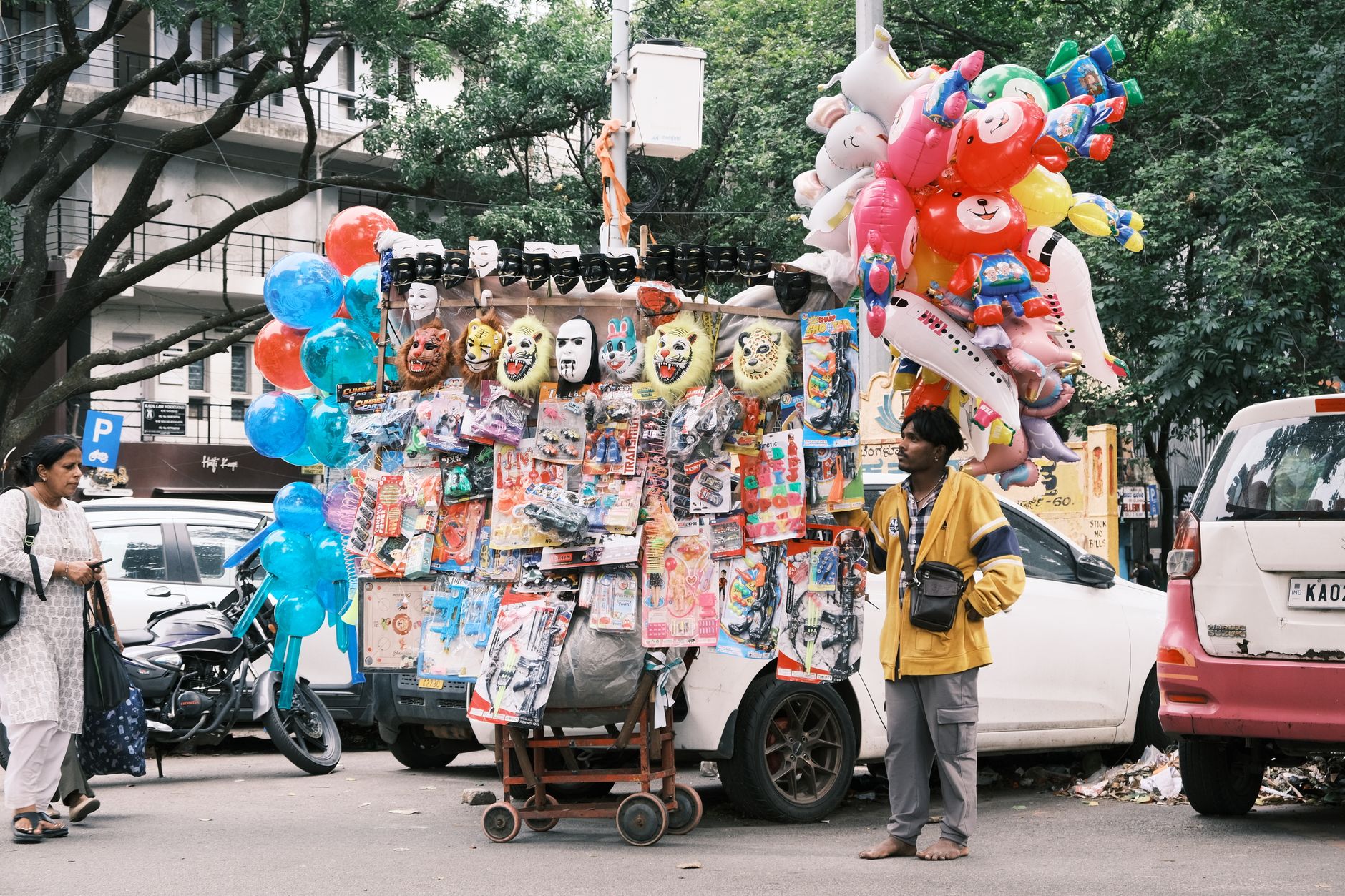
India possesses several inherent strengths that position it favorably in the global toy manufacturing landscape. The country has a rich tradition of handcrafted toys and games, many of which have cultural and educational value. This heritage, combined with modern manufacturing techniques, can create unique products that appeal to both domestic and international markets.
Additionally, India's growing design and engineering talent pool can contribute to innovative product development. The country's cost competitiveness in labor and raw materials, coupled with improving infrastructure, makes it an attractive destination for toy manufacturing investments.
Recent Policy Measures
The government has already implemented several measures to support the toy sector in recent years. These include increased customs duties on imported toys to protect domestic manufacturers, mandatory quality certification requirements for imports, and promotion of toy manufacturing through production-linked incentive schemes.
The Bureau of Indian Standards has developed comprehensive safety and quality standards for toys, ensuring that Indian products meet international benchmarks. This focus on quality has been essential in building consumer confidence and export credibility.
Export Potential and Global Opportunities
Achieving 5% of the global toy market would represent a significant milestone for Indian manufacturing. This target would translate to exports worth several billion dollars annually, creating substantial employment opportunities across the value chain from raw material sourcing to final product delivery.
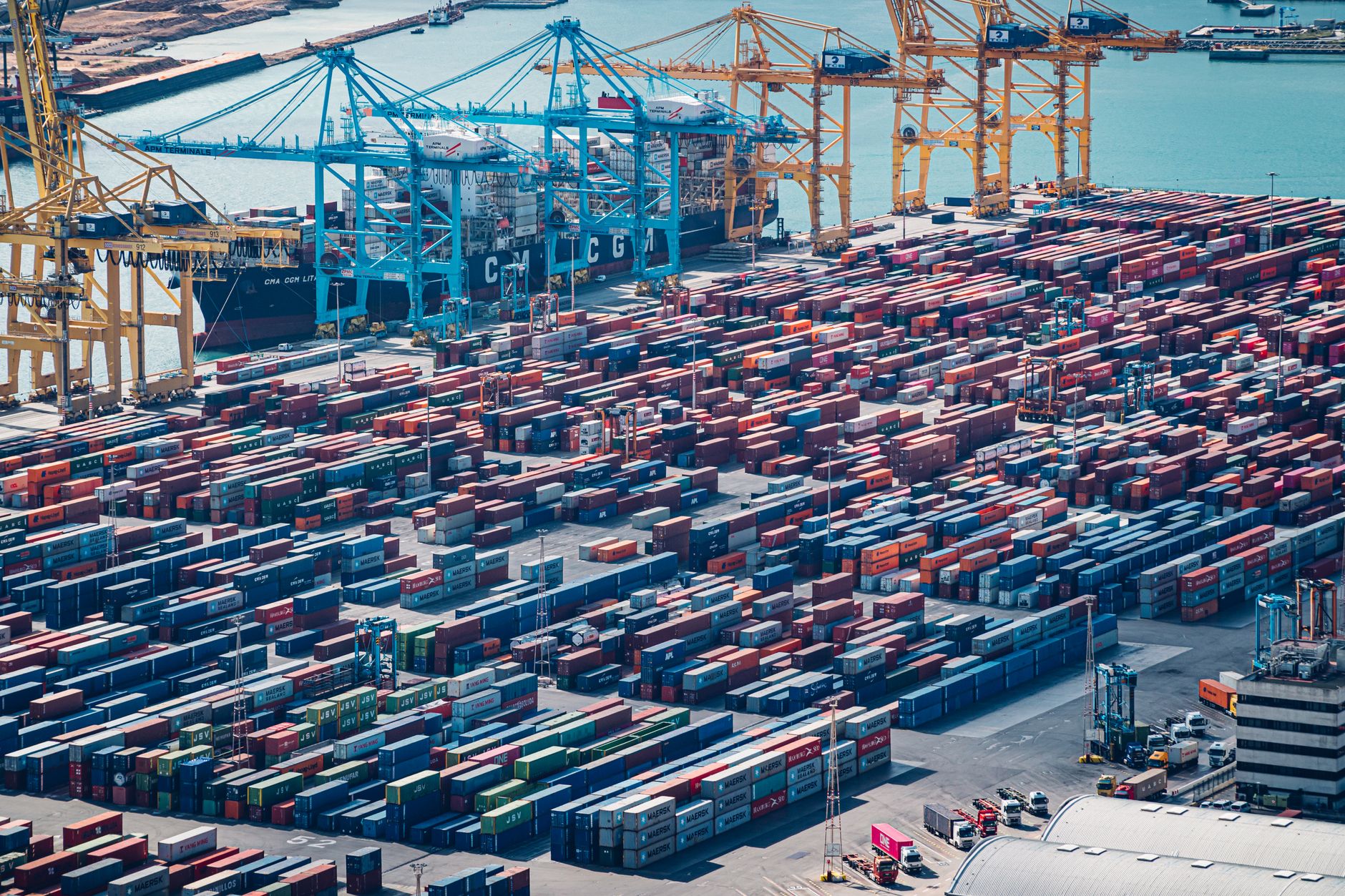
International markets, particularly in Europe and North America, are increasingly seeking alternatives to Chinese manufacturing due to supply chain diversification strategies. India can leverage this opportunity by positioning itself as a reliable, quality-conscious manufacturing partner.
Challenges Ahead
Despite the promising outlook, the toy industry faces several challenges. Scaling up production while maintaining quality standards requires significant investment in technology and infrastructure. Small manufacturers need access to affordable credit and technical support to upgrade their facilities and processes.
Building brand recognition in international markets requires sustained marketing efforts and participation in global trade fairs. The industry must also navigate complex international regulations regarding toy safety and environmental standards.
Employment and Economic Impact
The toy manufacturing sector has the potential to create millions of jobs, particularly in rural and semi-urban areas where traditional craftsmanship exists. The sector's growth can support ancillary industries including packaging, logistics, and raw material supplies, multiplying the overall economic impact.
The task force's success in meeting the 2032 target could serve as a model for developing other manufacturing sectors, demonstrating how coordinated policy action can transform India's industrial landscape and enhance its position in global value chains.