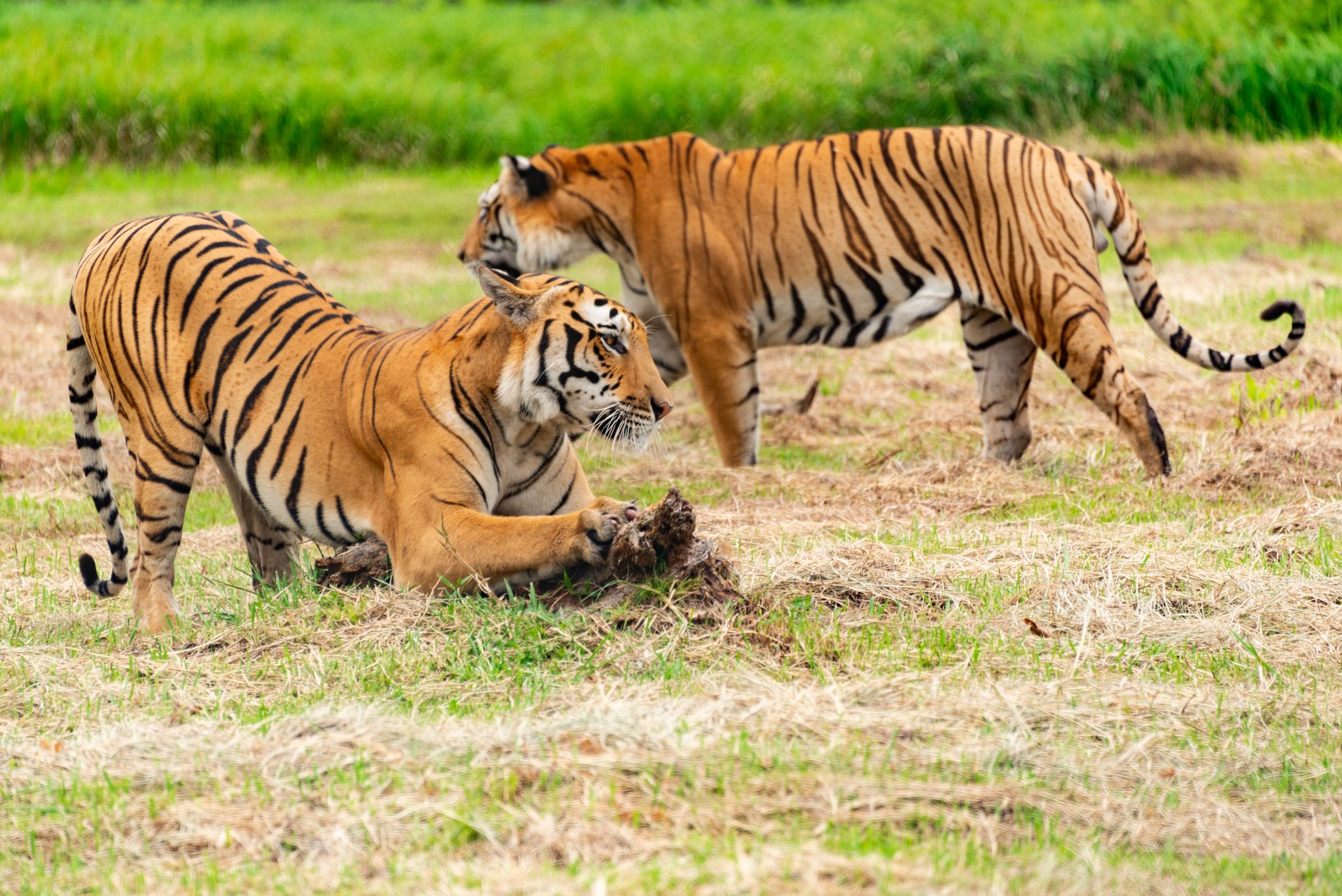
International Tiger Day, observed annually on July 29, draws global attention to tiger conservation efforts, and in 2026, India stands as the undisputed leader in protecting these magnificent big cats. With nearly 70% of the world's remaining tigers calling India home, the country's conservation journey offers valuable lessons for wildlife protection worldwide.
India's Tiger Conservation Success Story
India's tiger population has witnessed a remarkable recovery over the past two decades. From a concerning low point in the early 2000s, when illegal poaching and habitat loss threatened to push tigers toward extinction, the country has implemented comprehensive conservation strategies that have yielded impressive results.
The current tiger population in India exceeds 3,000 individuals, distributed across various protected areas, tiger reserves, and forest landscapes. This represents a significant increase from previous decades and demonstrates the effectiveness of sustained conservation efforts.
Key Factors Behind India's Conservation Leadership
Several critical elements have contributed to India's success in tiger conservation:
- Establishment of dedicated tiger reserves under Project Tiger, launched in 1973
- Strengthened anti-poaching measures and wildlife crime enforcement
- Community involvement and relocation programs to reduce human-wildlife conflict
- Scientific monitoring using camera traps and technology-driven tracking systems
- Corridor creation to connect fragmented habitats and enable tiger movement
- International cooperation to combat illegal wildlife trade
The tiger reserve network has expanded significantly, now encompassing over 50 reserves that provide protected habitats across diverse ecosystems, from the mangrove forests of the Sundarbans to the dry deciduous forests of central India.
Conservation Challenges That Remain
Despite the encouraging numbers, tiger conservation in India faces ongoing challenges. Habitat fragmentation continues to pose risks as human settlements expand into forest areas. Tigers require large territories to hunt and breed, and the loss of connectivity between habitats can isolate populations and reduce genetic diversity.
Human-tiger conflict remains a pressing concern in areas where tiger habitats overlap with human communities. Tigers sometimes prey on livestock or, in rare cases, pose threats to human safety, leading to retaliatory killings. Conservation programs increasingly focus on mitigating these conflicts through better livestock management, compensation schemes, and community education.
Poaching, while reduced, has not been entirely eliminated. Tigers are targeted for their body parts, which command high prices in illegal international markets, particularly for use in traditional medicine. Vigilance and enforcement remain essential to prevent poaching incidents.
The Global Context of Tiger Conservation
Globally, tiger populations have faced severe decline, with estimates suggesting fewer than 4,000 tigers remain in the wild across all tiger-range countries. Besides India, significant tiger populations exist in countries like Russia, Indonesia, Malaysia, Thailand, and Bangladesh, though in much smaller numbers.
International Tiger Day was established in 2010 at the Saint Petersburg Tiger Summit, where participating nations committed to doubling wild tiger populations by 2022. While this ambitious goal was not fully achieved globally, India's progress has been instrumental in preventing further decline.
The Ecological Importance of Tigers
Tigers serve as apex predators and indicator species within their ecosystems. Their presence indicates healthy forest ecosystems, as tigers require abundant prey populations and intact habitats to survive. By protecting tigers, conservation efforts simultaneously safeguard countless other species that share their habitats, from prey animals to plants and smaller predators.
The economic value of tiger conservation extends beyond ecological benefits. Tiger reserves attract eco-tourism, generating revenue for local communities and creating incentives for conservation. This creates a sustainable model where wildlife protection aligns with economic development.
Looking Ahead
As International Tiger Day 2026 is observed, India's leadership in tiger conservation offers hope for the species' long-term survival. However, continued commitment, adequate funding, scientific research, and community participation remain essential to maintaining and building upon current success.
The next phase of tiger conservation will likely focus on expanding habitat corridors, strengthening protection in border areas, addressing climate change impacts on tiger habitats, and enhancing regional cooperation among tiger-range countries to combat transboundary threats.
India's achievement in sheltering 70% of the world's tigers represents both a conservation triumph and a responsibility to continue protecting these iconic animals for future generations.