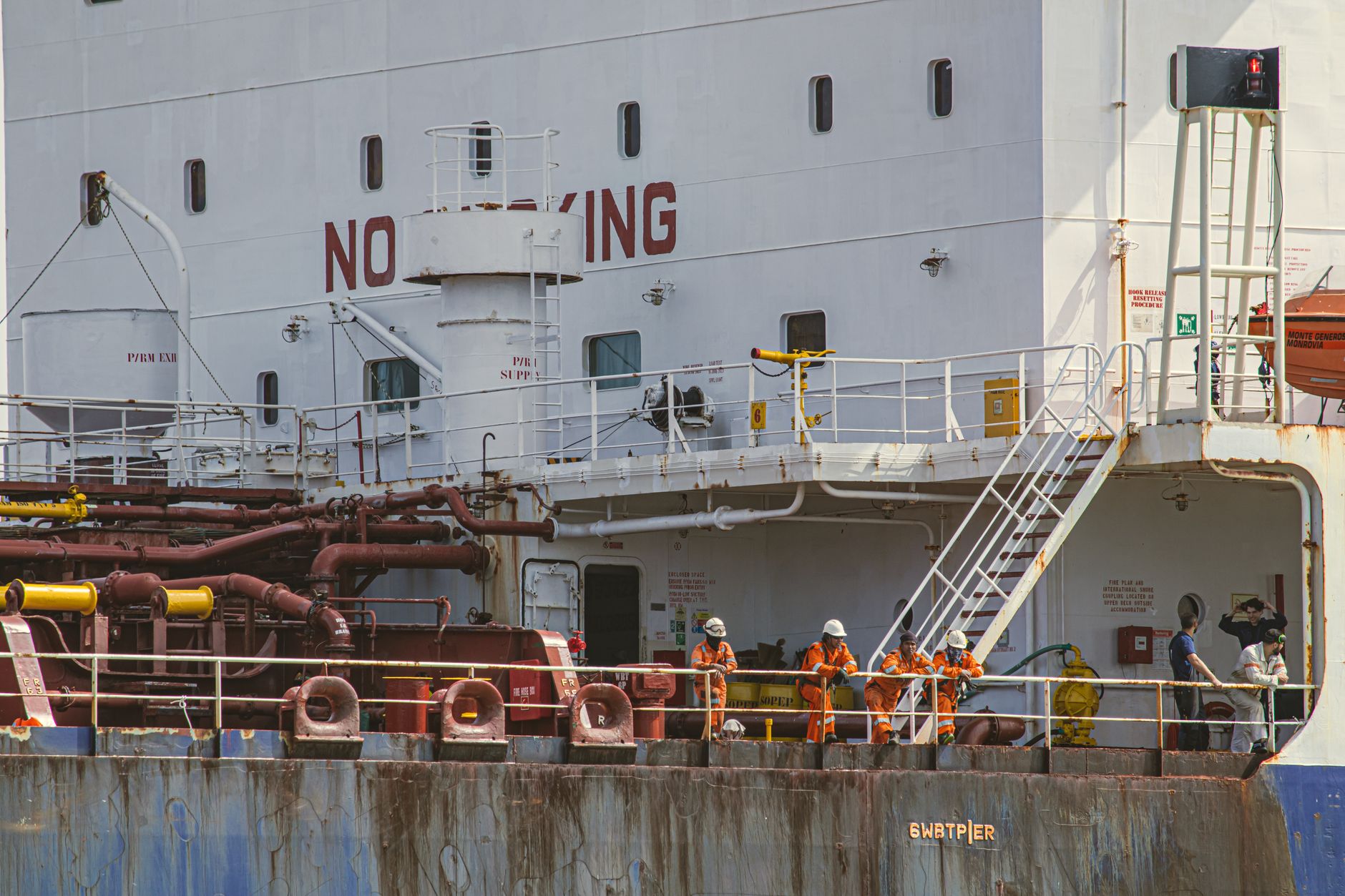
India has achieved a significant milestone in the global maritime industry by becoming the world's second-largest supplier of seafarers, trailing only the Philippines. This development marks a substantial leap in India's contribution to international shipping and highlights the country's expanding maritime capabilities.
The Numbers Behind India's Maritime Success
India now supplies over 240,000 seafarers to the global shipping industry, accounting for approximately 12.8 percent of the world's 1.89 million seafarers. This represents a steady increase from previous years and positions Indian maritime professionals as an indispensable workforce in international waters. The Philippines continues to hold the top position with around 397,000 seafarers, representing roughly 21 percent of the global workforce.
The growth is particularly notable when compared to India's position a decade ago, when the country ranked fourth or fifth globally. This upward trajectory demonstrates the effectiveness of focused maritime education policies and increased investment in training infrastructure.
Factors Driving India's Maritime Growth
Several key factors have contributed to India's rise as a major seafarer-supplying nation. The expansion of maritime training institutes across the country has been fundamental to this success. India now boasts numerous Maritime Training Institutes (MTIs) and colleges offering specialized courses in nautical science, marine engineering, and various maritime disciplines.
The Directorate General of Shipping, under India's Ministry of Ports, Shipping and Waterways, has played a crucial role in standardizing training and ensuring that Indian seafarers meet international competency standards set by the International Maritime Organization (IMO). These standards are enshrined in the Standards of Training, Certification and Watchkeeping (STCW) Convention, which India has consistently adhered to and implemented.
Economic Impact and Remittances
The maritime sector represents a significant source of foreign exchange earnings for India. Indian seafarers remit billions of dollars annually, contributing substantially to the country's economy. These remittances support families across India and stimulate economic activity in coastal states and beyond.
The attractive salaries and career progression opportunities in the maritime industry have made it an increasingly popular career choice for young Indians. Officers and ratings on international vessels typically earn competitive wages in foreign currency, providing financial stability and upward mobility for families from diverse socioeconomic backgrounds.
Types of Maritime Professionals
India supplies a diverse range of maritime professionals to the global shipping industry:
- Deck officers and navigators who manage ship operations and navigation
- Marine engineers who maintain and operate ship machinery
- Ratings who perform various operational and maintenance tasks
- Specialized personnel including electro-technical officers
- Catering staff and hospitality crew for passenger vessels
Challenges and Opportunities
Despite this success, the Indian maritime sector faces several challenges. The industry requires continuous investment in modern training facilities and simulators to keep pace with technological advancements in shipping. There is also growing demand for specialized skills in emerging areas such as LNG carriers, cruise ships, and technologically advanced vessels.
The global shipping industry is experiencing a shortage of qualified seafarers, presenting India with an opportunity to expand its market share further. As older seafarers retire and international trade continues to grow, the demand for skilled maritime professionals is expected to increase substantially in the coming decade.
Government Initiatives and Future Outlook
The Indian government has launched various initiatives to strengthen the country's maritime education ecosystem. The Sagarmala Programme and other maritime development projects aim to enhance port infrastructure and promote shipping as a career. Efforts to establish Centers of Excellence in maritime training and partnerships with international shipping companies are underway.
Looking ahead, India aims to bridge the gap with the Philippines and potentially claim the top position. This would require sustained investment in training infrastructure, enhanced collaboration between the government and industry, and continued focus on maintaining international quality standards. With over 7,500 kilometers of coastline and a strategic location on major shipping routes, India is well-positioned to expand its maritime workforce and cement its status as a global maritime power.