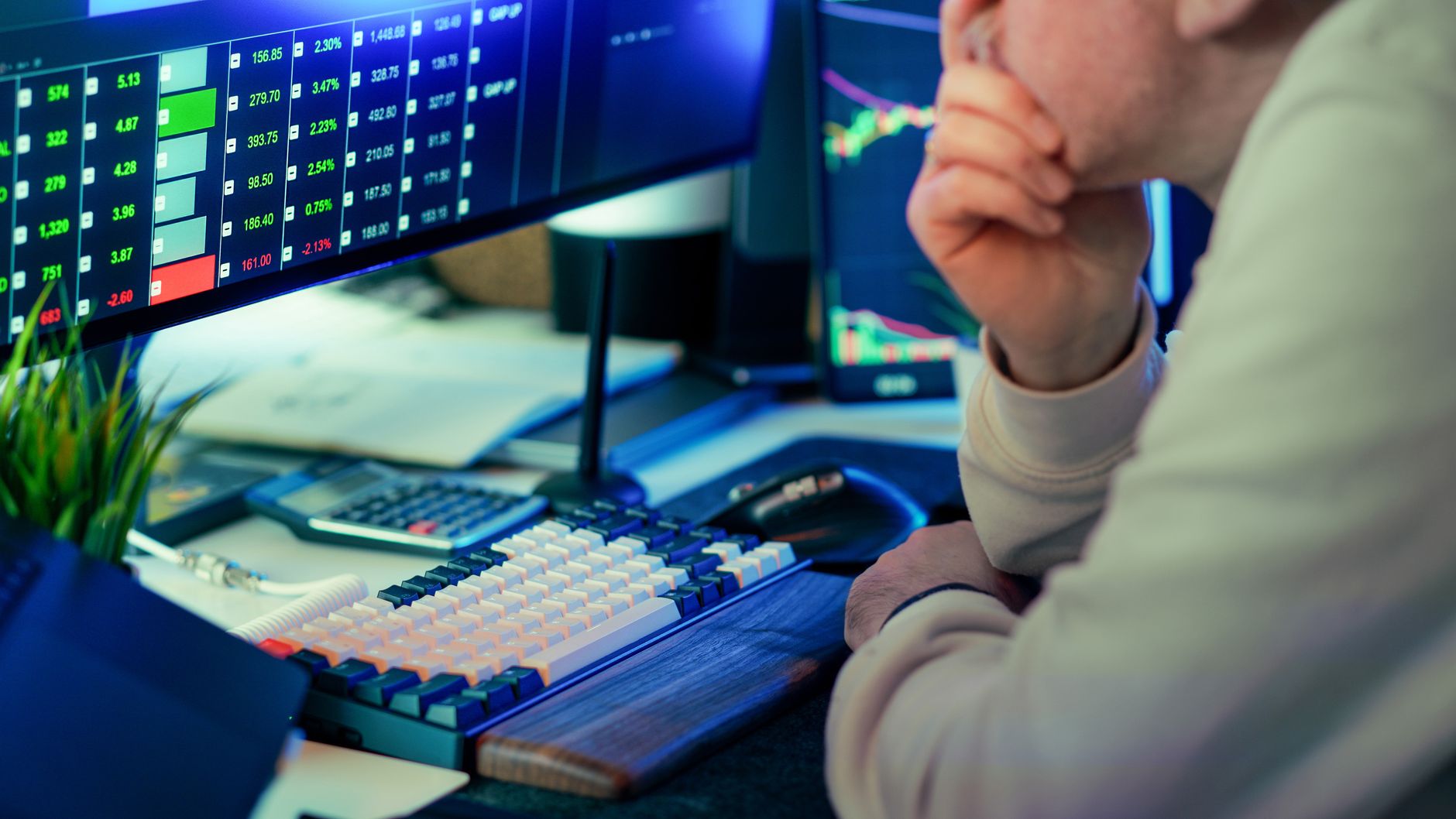
Global financial markets operate as interconnected systems where news from one corner of the world can trigger ripple effects across continents. Recent developments have highlighted how sensitive markets are to both geopolitical tensions and economic data releases, creating volatility that affects everyone from institutional investors to individual retirement savers.
Understanding Market Reactions to Geopolitical Tensions
When international tensions rise, markets typically respond with increased volatility. Investors tend to move capital toward perceived safe-haven assets like gold, government bonds, and stable currencies such as the US dollar or Swiss franc. This flight to safety can cause stock prices to decline, particularly in sectors most vulnerable to disruption such as technology, manufacturing, and international trade.
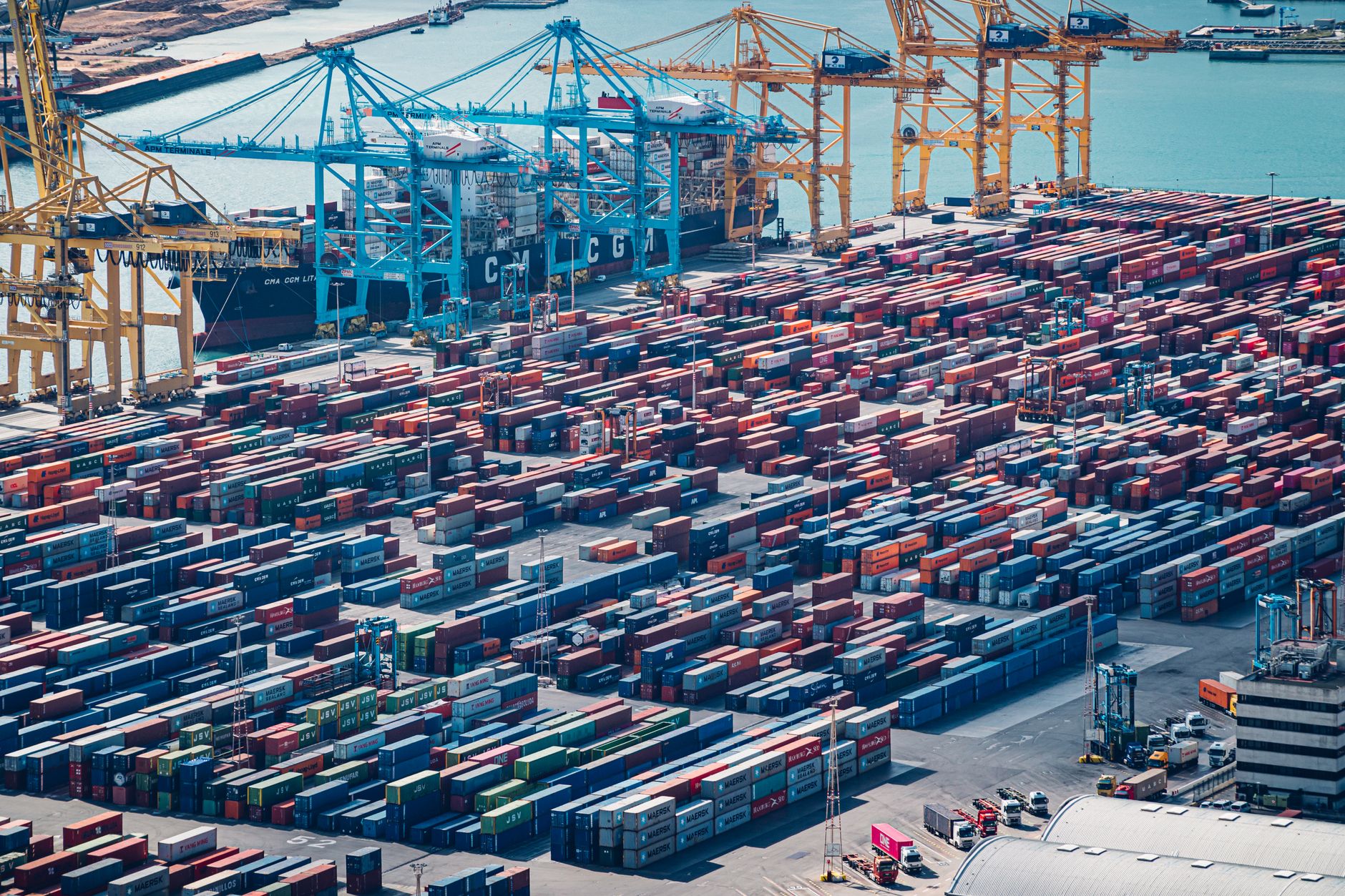
Geopolitical uncertainty creates several challenges for markets. Supply chain disruptions can affect corporate earnings, currency fluctuations impact international business operations, and investor sentiment shifts from growth-oriented to defensive positioning. Companies with significant international exposure often see their stock prices affected more dramatically than domestic-focused businesses.
The Role of Economic Indicators
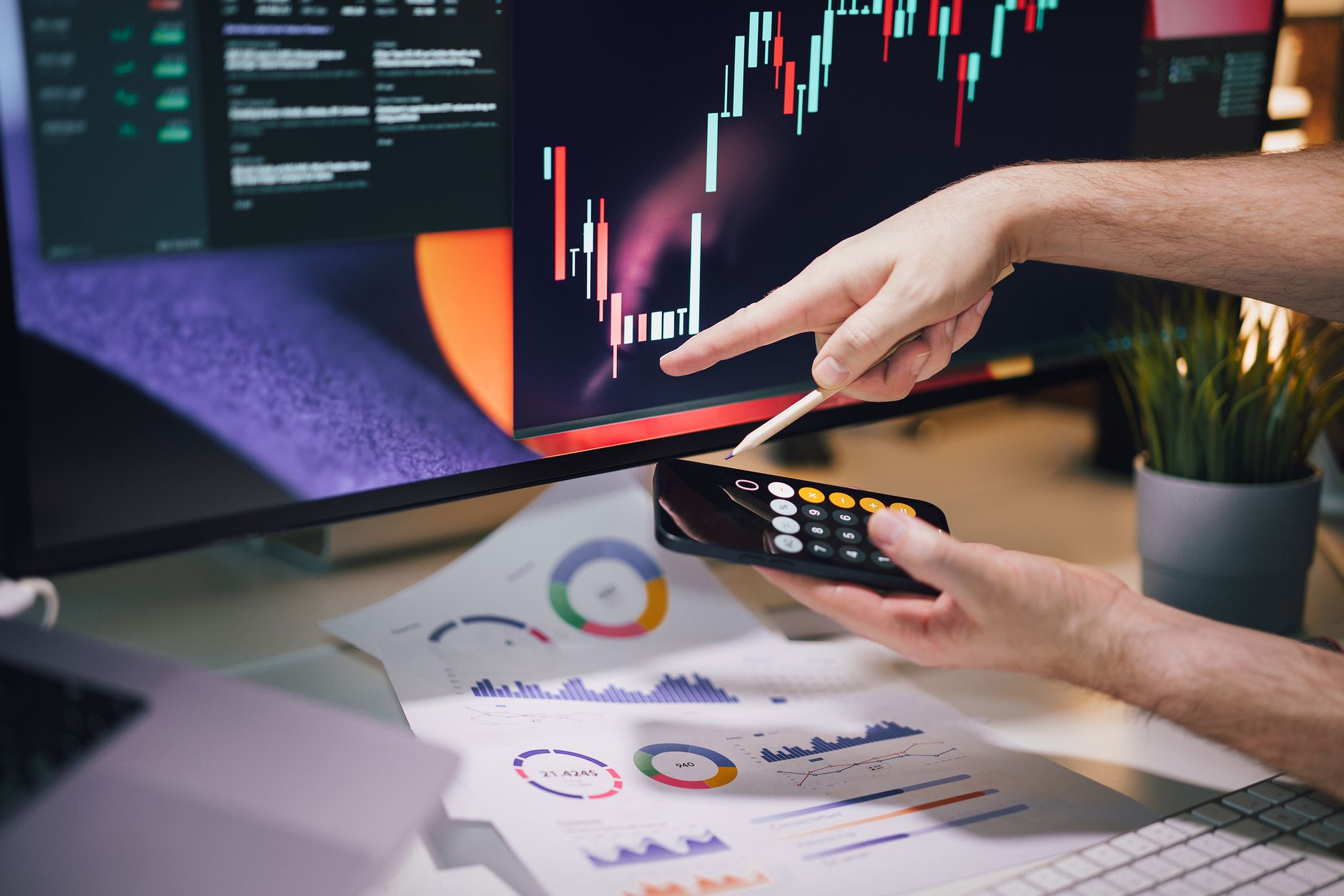
Economic indicators serve as the vital signs of financial health, providing data that helps investors, policymakers, and businesses make informed decisions. Key indicators include inflation rates, employment figures, GDP growth, manufacturing indices, and consumer confidence surveys.
Central banks closely monitor these indicators when setting monetary policy. When inflation rises above target levels, central banks may increase interest rates to cool the economy. Conversely, weak economic data might prompt rate cuts or other stimulus measures. These policy decisions have profound effects on currency values, bond yields, and equity markets.
How Different Asset Classes Respond
Different investment categories react distinctly to economic and political developments:
- Equities typically decline during periods of heightened uncertainty but may rally on positive economic data or conflict resolution
- Bonds often benefit from safe-haven flows during crises, with yields falling as prices rise
- Commodities like oil and precious metals can spike during geopolitical tensions due to supply concerns or safe-haven demand
- Currencies of stable economies strengthen while those of affected regions may weaken substantially
Sector-Specific Impacts
Certain market sectors show greater sensitivity to specific types of news. Energy stocks respond dramatically to oil supply concerns, technology companies face pressure from trade restrictions and regulatory changes, and financial sector stocks react strongly to interest rate expectations and economic growth forecasts.
Defense and aerospace stocks may rise during geopolitical tensions, while tourism and hospitality sectors often suffer. Understanding these sector dynamics helps investors position portfolios appropriately for different scenarios.
Emerging Markets Vulnerability
Emerging market economies often experience amplified effects from global tensions and economic shifts. These markets typically feature higher volatility due to smaller market sizes, less developed financial infrastructure, and greater sensitivity to foreign capital flows. When global risk appetite decreases, emerging markets frequently see larger outflows of foreign investment.
Currency fluctuations pose particular challenges for emerging economies with significant foreign-denominated debt. A strengthening dollar can make debt servicing more expensive, potentially triggering financial stress.
Strategies for Uncertain Times
Investors navigating volatile markets should consider several approaches. Diversification across asset classes, geographical regions, and sectors helps reduce concentration risk. Maintaining adequate cash reserves provides flexibility to capitalize on opportunities during market dips.
Regular portfolio rebalancing ensures your asset allocation remains aligned with your risk tolerance and investment timeline. During volatile periods, emotional decision-making often leads to poor outcomes, so maintaining discipline and a long-term perspective proves crucial.
Dollar-cost averaging, where you invest fixed amounts at regular intervals regardless of market conditions, can help reduce the impact of market timing and volatility on your returns.
Looking Ahead
Global markets will continue responding to evolving geopolitical situations and economic data. The interconnected nature of modern economies means that developments in major economies like the United States, China, and the European Union have worldwide implications.
Staying informed about global events while maintaining a diversified, long-term investment strategy typically serves investors better than attempting to time market movements based on daily news cycles.
This article provides general information only and should not be considered personalized financial advice. Market conditions change rapidly, and individual circumstances vary significantly. Consult with qualified financial advisors before making investment decisions based on your specific situation, risk tolerance, and financial goals.