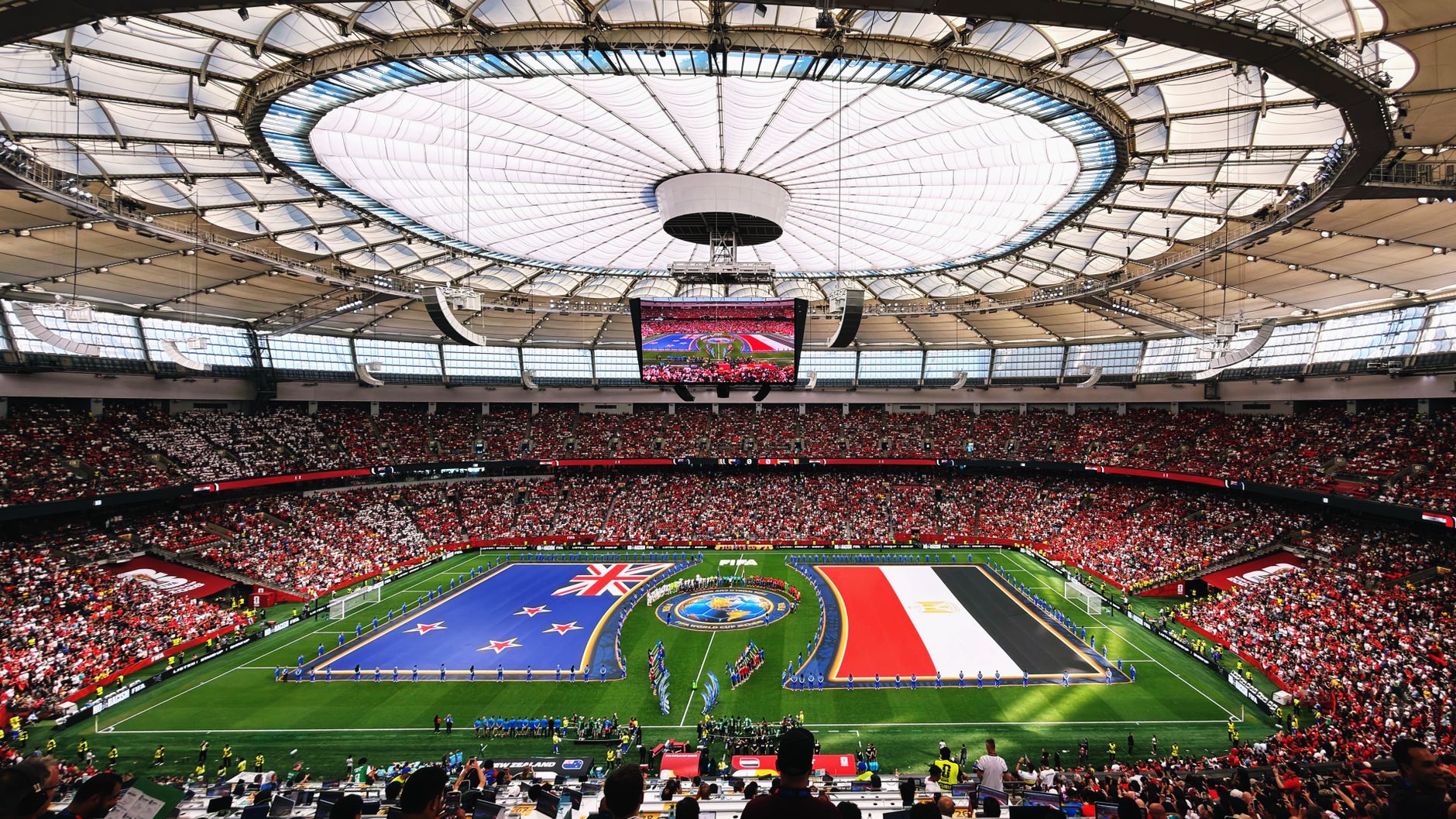
Major sporting events like the FIFA World Cup have long been viewed as catalysts for tourism growth, bringing waves of international visitors to host nations and creating opportunities for hotels to showcase their offerings. However, the transition from event-driven bookings to sustained international inbound demand presents significant challenges that many hoteliers are now confronting.
The Post-Event Reality Check
When a global sporting spectacle concludes, hotels often face a sharp drop in occupancy rates. The infrastructure investments made to accommodate peak demand during the event—additional rooms, upgraded facilities, expanded services—suddenly seem excessive when visitor numbers return to pre-event levels. This boom-and-bust cycle creates financial pressure on properties that borrowed heavily or expanded aggressively in anticipation of lasting tourism growth.
The challenge is particularly acute in destinations without established tourism ecosystems. Cities that successfully hosted major events may lack the ongoing marketing budgets, airline connectivity, or tourist attractions needed to maintain international visitor interest once the global spotlight moves elsewhere.
Visa and Travel Documentation Barriers
One of the most persistent obstacles to growing international tourism is the complexity of visa processes. Many countries that hosted major sporting events implemented temporary visa waivers or streamlined entry procedures during the competition, making travel seamless for millions of fans. When these special provisions expire, international visitors face the standard bureaucratic hurdles.
Processing delays, high application fees, and documentation requirements deter casual tourists who might otherwise visit. Business travelers and leisure guests increasingly choose destinations with simpler entry procedures, leaving hotels in visa-intensive countries struggling to fill rooms with international guests.
Economic Headwinds and Currency Fluctuations
Global economic uncertainty affects travel budgets and consumer confidence. Hotels targeting international markets must navigate currency volatility that can make destinations suddenly expensive or affordable based on exchange rate movements beyond anyone's control.
Properties that invested heavily during boom periods often find themselves locked into debt denominated in foreign currencies while earning revenue in local currency. This mismatch creates financial stress when currency values shift unfavorably, forcing hotels to raise prices precisely when they should be competing more aggressively for cost-conscious international travelers.
Infrastructure and Connectivity Gaps
Sustained international tourism requires reliable infrastructure that extends beyond hotel capacity. Airports need sufficient international connections, ground transportation must be efficient and safe, and tourist areas require adequate public services.
Many destinations that hosted mega-events discovered that temporary infrastructure improvements proved difficult to maintain. Special airport services, additional flights, and enhanced public transportation introduced for the event often disappear when the crowds leave. International visitors planning trips months later encounter a different reality than event attendees experienced.
Competition from Established Tourism Markets
Hotels in emerging or secondary tourism markets face intense competition from established destinations with decades of experience serving international guests. Mediterranean resorts, Southeast Asian beach destinations, and European cultural centers have refined their offerings, built distribution networks, and cultivated repeat visitors.
Breaking into this competitive landscape requires sustained marketing investment and service quality that matches or exceeds well-known alternatives. Many hotels lack the resources for long-term international marketing campaigns or the staff training needed to consistently meet expectations of diverse international clientele.
Pricing Strategy Dilemmas
Setting appropriate room rates for international markets presents ongoing challenges. Prices high enough to justify investments and deliver profits may drive price-sensitive international visitors toward competitors. Discounting aggressively to fill rooms risks devaluing the property and failing to cover operating costs.
Hotels must also contend with online travel agencies that control significant distribution channels. Commission structures and rate parity requirements limit pricing flexibility, making it difficult to test different strategies for attracting international guests.
Building Sustainable Demand
Successful conversion of event-driven interest into lasting international demand requires coordinated efforts among hotels, tourism boards, airlines, and government agencies. Individual properties cannot overcome systemic challenges alone.
Hotels are exploring partnerships with international tour operators, investing in multilingual staff and services, and participating in cooperative marketing initiatives. Some are diversifying beyond leisure tourism to pursue international business travel, medical tourism, or education-related visits that provide steadier demand throughout the year.
The path forward requires patience, strategic investment, and realistic expectations about timeframes for building sustainable international visitor flows that can support the capacity created for temporary mega-events.