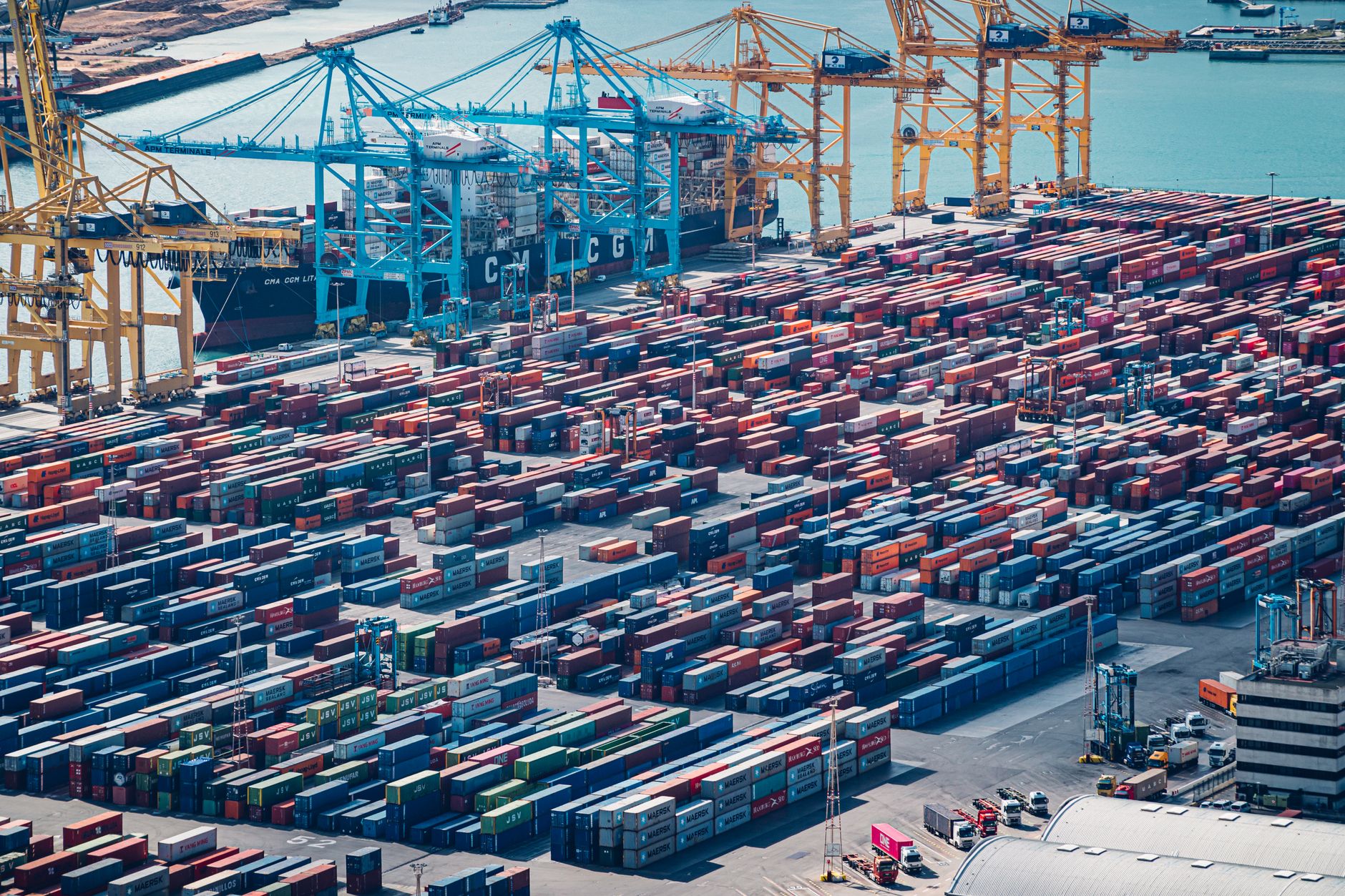
Global financial markets have shown remarkable resilience in recent months, defying expectations as investors adapt to an increasingly complex landscape of geopolitical tensions and economic uncertainty. From conflicts in Eastern Europe and the Middle East to shifting trade relationships and central bank policies, markets have absorbed significant shocks while maintaining relative stability.
Understanding Market Resilience
Market resilience refers to the ability of financial systems to withstand external pressures and recover from disruptions. The current environment presents a unique combination of challenges that would have historically triggered more severe market volatility. However, several factors have contributed to the sustained strength across global exchanges.
Institutional investors have become more sophisticated in their risk management approaches, utilizing diversification strategies that spread exposure across multiple asset classes, sectors, and geographic regions. This approach has helped cushion portfolios against localized shocks, ensuring that disruptions in one area do not cascade throughout entire investment portfolios.
Key Drivers of Market Stability
Despite ongoing tensions, corporate earnings in many sectors have remained robust. Technology companies, healthcare firms, and certain segments of the energy sector have continued to post strong results, providing fundamental support for equity valuations. Companies with global supply chains have also demonstrated improved adaptability, having learned valuable lessons from pandemic-era disruptions.
Central banks worldwide have shown a more measured approach to monetary policy adjustments, providing markets with greater clarity and predictability. While interest rate decisions remain data-dependent, the communication strategies employed by major central banks have reduced the likelihood of surprise moves that could trigger panic selling.
The diversification of global trade relationships has also played a crucial role. As businesses and nations reduce dependency on single sources for critical materials and components, the economic impact of localized conflicts has become more contained. Emerging markets in Southeast Asia, Africa, and Latin America have stepped up to fill supply gaps, creating new investment opportunities.
Sector-Specific Performance Patterns
Different sectors have responded to uncertainty in varied ways. Defensive sectors such as utilities, consumer staples, and healthcare have attracted capital from risk-averse investors seeking stability. These sectors typically provide steady dividends and demonstrate less correlation with economic cycles.
Meanwhile, the energy sector has experienced heightened volatility due to its direct connection to geopolitical events. Oil and gas prices fluctuate based on supply disruptions, sanctions, and shifting demand patterns, creating both risks and opportunities for investors willing to navigate the complexity.
Technology stocks have shown mixed performance, with established companies maintaining strength while growth-oriented firms face pressure from higher interest rates. The artificial intelligence boom has provided a counterbalance, driving significant investment into related infrastructure and applications.
Regional Market Variations
Asian markets have demonstrated particular strength, driven by robust economic growth in India and resilient consumer spending in Southeast Asian nations. Japan's market has benefited from corporate governance reforms and a weaker yen, making exports more competitive.
European markets face the most direct impact from regional geopolitical tensions, yet have shown adaptability through energy diversification efforts and industrial restructuring. The eurozone's unified response to external pressures has helped maintain investor confidence.
North American markets continue to benefit from strong domestic consumption and technological innovation. The US dollar's status as a safe-haven currency has attracted capital during periods of acute uncertainty, supporting broader market stability.
Looking Ahead
Market observers caution that current resilience does not guarantee immunity from future shocks. The interconnected nature of global finance means that unexpected events can still trigger rapid corrections. Ongoing monitoring of debt levels, inflation trends, and geopolitical developments remains essential.
Investors are increasingly focusing on scenario planning and stress testing their portfolios against various potential outcomes. This proactive approach helps identify vulnerabilities before they materialize into significant losses.
The combination of improved risk management practices, diversified global trade networks, and adaptive monetary policies has created a foundation for market stability. However, complacency remains a risk, and prudent investors continue to maintain appropriate hedges against tail-risk events.
This article is for general informational purposes only and should not be considered investment advice. Market conditions can change rapidly, and past performance does not guarantee future results. Readers should consult with qualified financial advisors before making investment decisions.