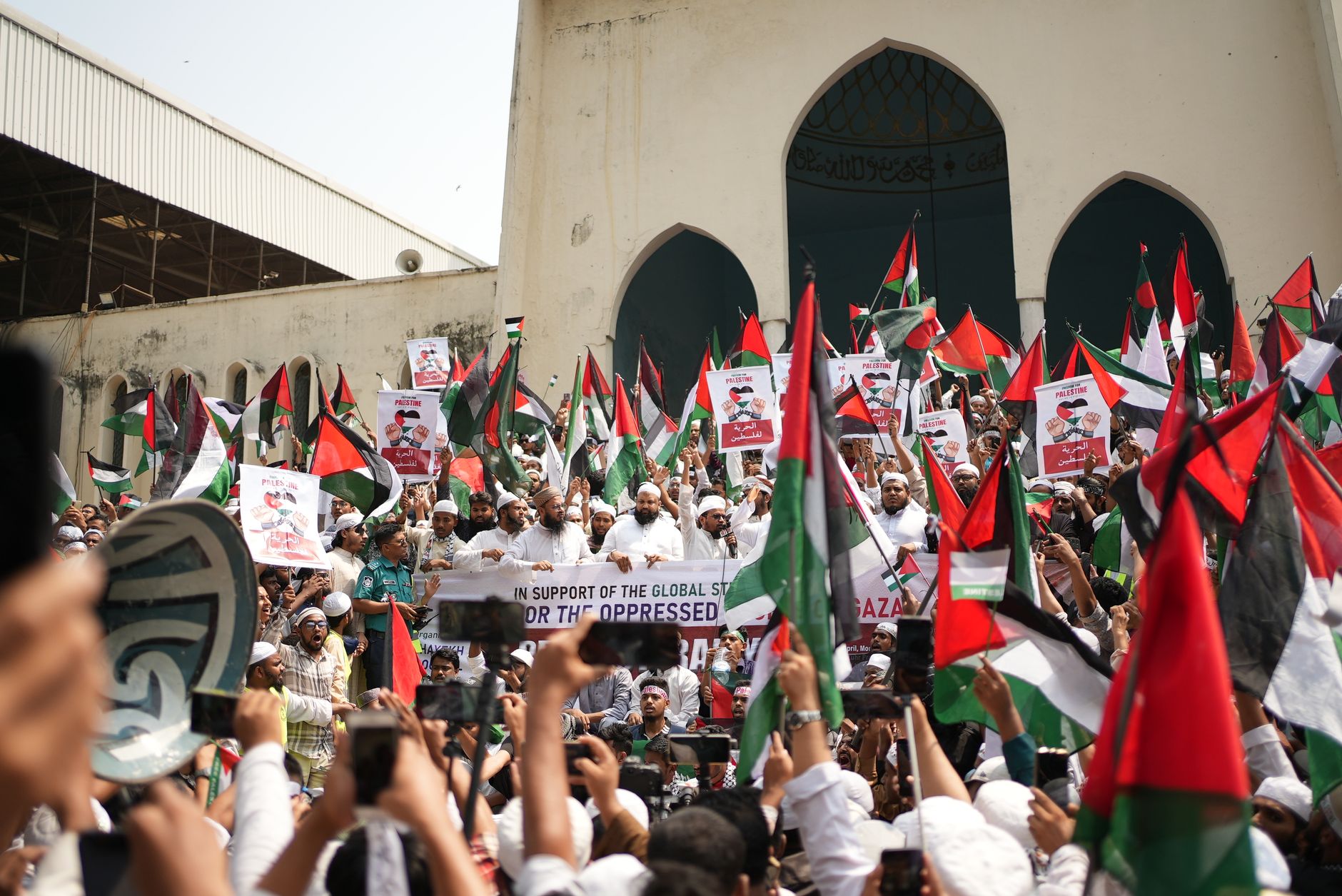
Former US President Donald Trump has announced that a peace agreement for Gaza has been reached, outlining a framework that includes the disarmament of Hamas and the withdrawal of Israeli troops from the Palestinian territory. The announcement comes after months of devastating conflict that has reshaped the geopolitical landscape of the Middle East and drawn international attention to the humanitarian crisis in Gaza.
Key Components of the Proposed Framework
The reported peace plan centers on several fundamental pillars designed to address both Israeli security concerns and Palestinian territorial issues. At its core, the agreement calls for Hamas to disarm and relinquish control of military assets accumulated over years of governance in Gaza. Simultaneously, Israeli Defense Forces would execute a phased withdrawal from territories they have occupied during the recent military operations.
The disarmament provision represents a significant shift, as Hamas has maintained armed resistance as a central element of its political identity since taking control of Gaza in 2007. Any agreement requiring Hamas to surrender weapons would necessitate alternative security arrangements to fill the resulting power vacuum.
The Israeli troop withdrawal component addresses longstanding Palestinian demands for sovereignty and freedom from military occupation. However, the timeline and conditions for such withdrawal remain critical details that will determine the plan's feasibility.
Implementation Challenges and Security Guarantees
Translating this framework into reality presents substantial challenges. Verification mechanisms for Hamas disarmament would need to be robust and internationally supervised, likely requiring monitors from neutral parties or international organizations. Past peace efforts have stumbled over such verification issues, with both sides expressing distrust over compliance.
Israel has historically demanded concrete security guarantees before reducing its military presence in contested areas. The country's leadership has repeatedly stated that preventing Hamas from rearming and ensuring no future attacks against Israeli civilians are non-negotiable conditions for any agreement.
Questions remain about who would govern Gaza following Hamas disarmament. The Palestinian Authority, which governs parts of the West Bank, represents one possibility, though its relationship with both Hamas and the Gaza population is complex. International peacekeeping forces or regional Arab partners might also play roles in transitional governance.
Regional and International Reactions
The announcement has generated mixed responses across the international community. Arab nations, particularly Egypt and Qatar, which have served as mediators in previous negotiations, would likely play crucial roles in any implementation phase. Their buy-in and active participation would be essential for the plan's success.
European nations and international organizations have long advocated for peaceful resolution to the Israeli-Palestinian conflict, though specific reactions to this particular framework would depend on the detailed terms and verification mechanisms included in the final agreement.
The humanitarian dimension cannot be overlooked. Gaza has experienced catastrophic damage during recent hostilities, with infrastructure destroyed and civilian populations displaced. Any viable peace plan must address reconstruction, humanitarian aid delivery, and the return of displaced persons to their homes or suitable alternative housing.
Historical Context and Skepticism
The Israeli-Palestinian conflict has seen numerous peace initiatives over decades, from the Oslo Accords to various roadmaps and frameworks proposed by American administrations and international bodies. Many have ultimately failed to produce lasting peace, breeding skepticism about new proposals.
Previous attempts at Hamas disarmament or significant changes to Gaza's governance have faced resistance from multiple parties. Hamas has rejected disarmament demands in the past, viewing armed resistance as legitimate defense against occupation. Israeli administrations have similarly struggled to balance security concerns with peace initiatives.
Path Forward and Uncertainty
For this peace plan to move from announcement to implementation, detailed negotiations would need to address countless operational questions. These include disarmament timelines, verification protocols, withdrawal schedules, governance transitions, reconstruction funding, border controls, and mechanisms for dispute resolution.
The involvement of guarantor nations willing to enforce agreement terms and provide security assurances to both parties would likely prove essential. Financial commitments for Gaza's reconstruction and economic development would also need to be secured from international donors.
Whether this announced framework represents a genuine breakthrough or another in a long series of failed peace efforts remains to be seen. The coming weeks and months will reveal whether the parties involved can bridge the enormous gaps between announcement and actual peace on the ground.
This article provides general information about reported developments and does not constitute political analysis or prediction of outcomes. Readers should consult multiple news sources for comprehensive coverage of this evolving situation.