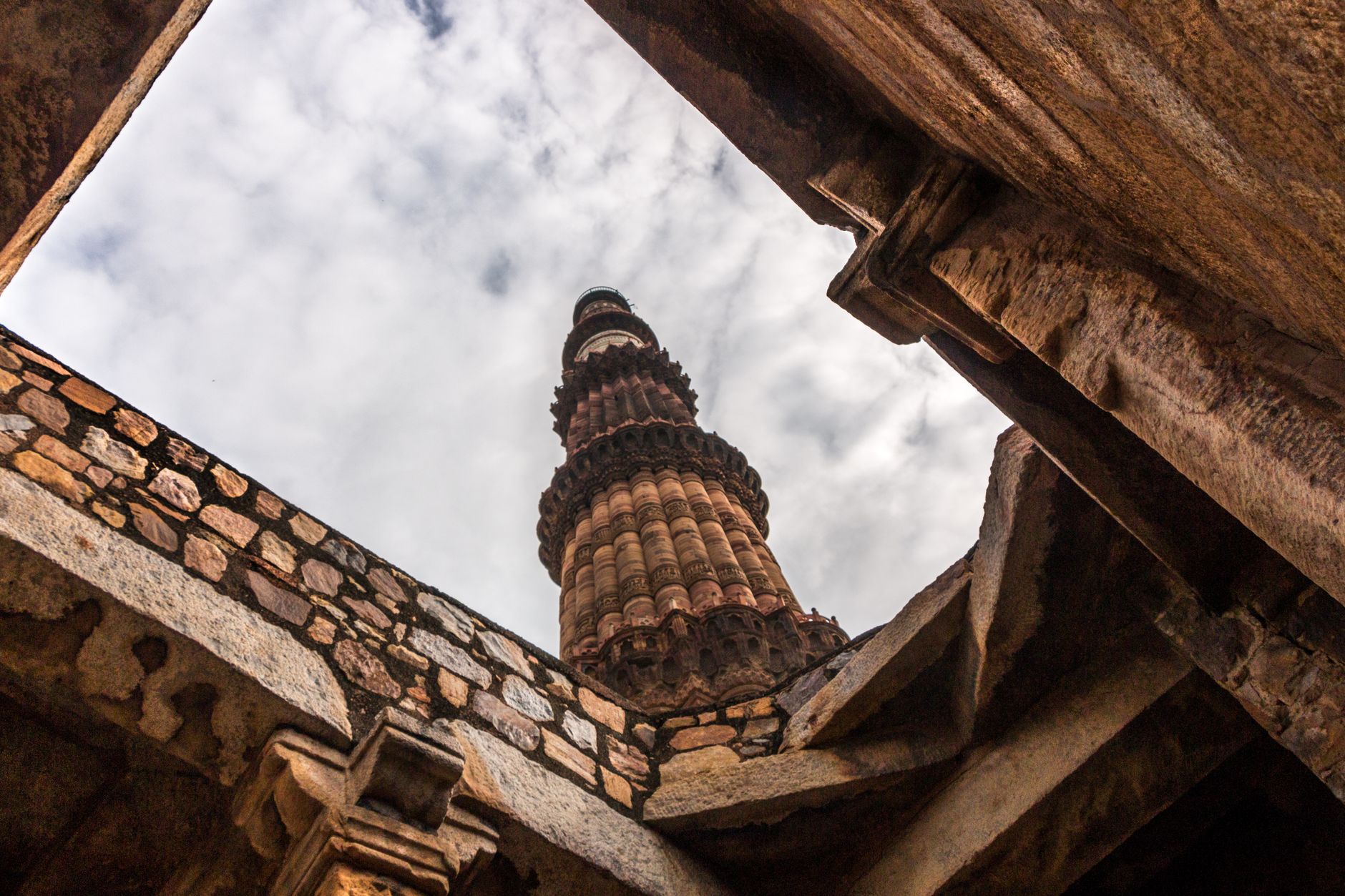
The United Nations Educational, Scientific and Cultural Organization (UNESCO) has announced the inscription of four additional sites to its World Heritage List, bringing global recognition to locations of exceptional cultural, historical, or natural significance. This latest round of additions continues UNESCO's mission to identify and protect places that hold universal value for all of humanity.
Understanding UNESCO World Heritage Status
The World Heritage List, established under the 1972 World Heritage Convention, serves as an international registry of sites deemed irreplaceable treasures belonging to all people, regardless of the territory on which they are located. Currently, the list contains over 1,150 properties across 167 countries, divided into cultural, natural, and mixed categories.
To qualify for World Heritage status, a site must meet at least one of ten selection criteria and demonstrate outstanding universal value. These criteria include representing masterpieces of human creative genius, bearing unique testimony to cultural traditions, containing superlative natural phenomena, or providing important habitats for biodiversity conservation.
The Significance of World Heritage Designation
Inclusion on the World Heritage List brings multiple benefits to a site and its surrounding community. The designation increases international awareness and often attracts tourism, which can provide economic benefits to local populations. More importantly, it commits the national government to protecting and preserving the site according to international standards.
Countries with inscribed sites receive access to the World Heritage Fund, which can provide financial and technical assistance for conservation projects. The international community also commits to helping protect these sites, particularly in times of conflict or natural disaster.
Global Distribution and Diversity
The World Heritage List reflects humanity's diverse heritage, spanning ancient archaeological sites, historic city centers, cultural landscapes, pristine natural environments, and unique geological formations. Some sites represent indigenous cultures, while others showcase architectural achievements or technological innovations from various periods of human history.
Natural heritage sites often protect critical ecosystems and biodiversity hotspots. These areas may contain endangered species, represent significant geological processes, or display exceptional natural beauty. Cultural sites range from ancient ruins and religious monuments to industrial heritage and modern architectural achievements.
The Selection Process
The journey to World Heritage status is rigorous and often takes several years. Countries must first create a tentative list of sites they plan to nominate. Following this, they prepare detailed nomination dossiers that document the site's significance, authenticity, and integrity.
These nominations are evaluated by advisory bodies, including the International Council on Monuments and Sites for cultural properties and the International Union for Conservation of Nature for natural sites. The World Heritage Committee, composed of representatives from 21 member states, meets annually to review nominations and make final decisions on inscriptions.
Challenges and Responsibilities
World Heritage status comes with significant responsibilities. States must demonstrate that sites have adequate legal protection, management systems, and resources for long-term conservation. Failure to properly protect a site can result in its placement on the List of World Heritage in Danger or, in extreme cases, removal from the list entirely.
Climate change poses an increasing threat to many World Heritage sites. Rising sea levels endanger coastal and island sites, while changing weather patterns affect cultural landscapes and natural ecosystems. Armed conflict and rapid urban development also threaten some of the world's most precious heritage locations.
Impact on Local Communities
The designation of a site as World Heritage can transform local communities, bringing both opportunities and challenges. Increased tourism can create jobs and stimulate local economies, but it can also strain infrastructure and potentially threaten the very qualities that made the site worthy of protection.
Successful World Heritage sites balance preservation with sustainable development, ensuring that local communities benefit from designation while maintaining the site's integrity. Community involvement in management and decision-making processes has become increasingly recognized as essential for long-term conservation success.
Looking Forward
As the World Heritage List continues to grow, UNESCO faces the ongoing challenge of ensuring geographic and thematic balance. Recent efforts have focused on increasing representation from underrepresented regions and including more diverse types of heritage, including industrial sites, twentieth-century architecture, and cultural routes.
The latest additions to the list demonstrate the continuing relevance of the World Heritage Convention in protecting irreplaceable treasures for future generations. These sites join a global family of locations recognized for their exceptional contribution to our shared human heritage, reminding us of our collective responsibility to preserve the world's most significant cultural and natural wonders.