FIFA President Gianni Infantino's ambitious vision to reshape the World Cup has encountered mounting international resistance, with stakeholders across the football world expressing concerns about the practical and competitive implications of his proposed changes.
The Controversial Proposal
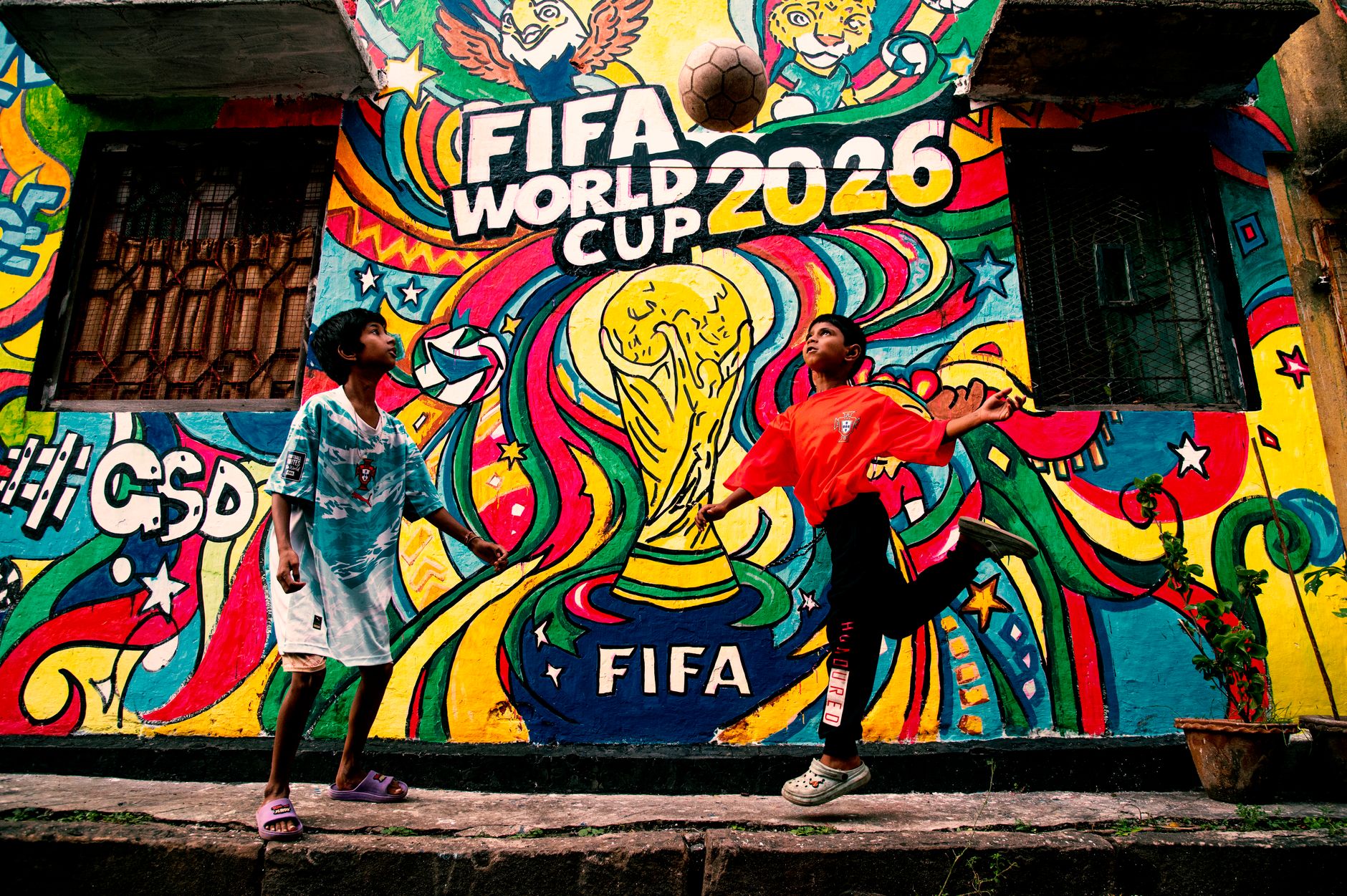
Since taking office in 2016, Infantino has championed a radical transformation of FIFA's flagship tournament. His most prominent proposal involves expanding the World Cup from its current 32-team format to 48 teams, a change already approved for the 2026 tournament in North America. However, additional proposals have sparked controversy, including plans to increase the frequency of the World Cup itself, potentially moving from the traditional four-year cycle to a biennial event.
The biennial World Cup concept would fundamentally alter football's international calendar, which currently balances club competitions, continental championships, and the World Cup. Supporters argue this would generate additional revenue for FIFA and provide more opportunities for developing football nations to compete on the global stage.
Sources of Opposition
Continental football confederations have emerged as the most vocal critics. UEFA, representing European football, and CONMEBOL, governing South American football, have both expressed strong reservations. Their concerns centre on the devaluation of the World Cup's prestige and the potential conflict with established continental tournaments like the European Championship and Copa América.
Player welfare has become a central argument against the proposals. Professional footballers already face congested schedules with domestic leagues, continental club competitions, and international fixtures. Players' unions have warned that additional World Cup commitments would push athletes beyond sustainable limits, increasing injury risks and diminishing performance quality.
National associations from traditional football powerhouses have also voiced scepticism. They argue that the current four-year cycle creates anticipation and maintains the tournament's special status in the sporting calendar. More frequent World Cups, critics suggest, would reduce the competition to just another regular event rather than the pinnacle of international football.
Economic and Competitive Concerns
The economic arguments behind Infantino's proposals are straightforward. The World Cup generates billions in revenue through broadcasting rights, sponsorships, and ticket sales. More frequent tournaments would theoretically multiply these revenue streams, providing FIFA with additional funds to invest in global football development.
However, opponents question whether market saturation would actually reduce per-tournament revenue. Broadcasting companies and sponsors might be unwilling to pay premium rates for a competition that occurs twice as frequently. The scarcity and prestige that command current valuations could diminish.
From a competitive perspective, critics argue that football development requires time. National teams need years to build squads, develop young players, and implement tactical systems. A compressed cycle could favour nations with larger player pools and established infrastructure, potentially widening the gap between football's elite and emerging nations rather than narrowing it.
Impact on Club Football
Europe's major football leagues and clubs have expressed alarm about proposals that would further disrupt the club calendar. Top players already miss significant club fixtures during international breaks and major tournaments. A biennial World Cup would require extended release periods more frequently, potentially undermining domestic and continental club competitions that form professional football's economic foundation.
The tension reflects football's fundamental divide between club and international football. While FIFA prioritises the global game, clubs invest heavily in player development and salaries. Finding equilibrium between these competing interests has always challenged football governance, and Infantino's proposals have intensified this conflict.
The Path Forward
Despite international pressure, Infantino has significant support from FIFA's 211 member associations, many representing smaller footballing nations that would benefit from expanded opportunities and increased FIFA investment. This political backing gives him considerable leverage, even against opposition from powerful confederations and clubs.
The debate reflects broader questions about football's future direction. Should the sport prioritise global expansion and accessibility, even if it means diluting traditional competitions? Can player welfare be protected while maximising commercial opportunities? These questions extend beyond Infantino's tenure and will shape football governance for decades.
As discussions continue, compromise solutions may emerge. Modified expansion plans, enhanced player rest periods, or alternative tournament structures could address some concerns while advancing FIFA's developmental and commercial objectives. Whatever the outcome, the controversy has demonstrated that even FIFA's president cannot reshape global football without navigating complex international politics and reconciling competing interests within the sport's fractious family.