The world of international football has witnessed a significant policy reversal as FIFA president Gianni Infantino officially abandoned plans to monetize future World Cup revenues through private equity investment. The proposal, which had been circulating within FIFA's corridors for months, would have seen the organization sell a portion of its lucrative tournament profits to outside investors in exchange for immediate capital.
The Proposed Deal Structure
The plan under consideration would have involved FIFA selling stakes in future World Cup revenue streams to private equity firms. Such arrangements typically involve investors paying upfront sums in exchange for a share of profits from upcoming tournaments spanning several cycles. For FIFA, this would have meant immediate access to billions of dollars, though at the cost of reduced future earnings.
Private equity deals in sports have become increasingly common in recent years, with firms seeking stable, predictable returns from major sporting events. The World Cup represents one of the most valuable properties in global sports, generating billions through broadcasting rights, sponsorships, ticket sales, and merchandise.
Why FIFA Considered the Move
Several factors may have motivated FIFA's initial interest in such a deal. The organization has faced pressure to increase financial distributions to member associations, particularly smaller federations in developing nations that rely heavily on FIFA funding for grassroots development programs. An immediate cash injection could have accelerated infrastructure projects and talent development initiatives worldwide.
Additionally, FIFA has invested heavily in expanding its portfolio of competitions, including the enlarged Club World Cup format scheduled to debut with 32 teams. These expansions require substantial upfront investment in organization, marketing, and prize money before generating returns.
The COVID-19 pandemic also disrupted FIFA's revenue streams, with postponements and restrictions affecting tournaments and commercial partnerships. Private equity could have provided a buffer against future uncertainties.
Opposition and Concerns
The proposal faced significant resistance from multiple quarters within the football community. National football associations expressed concerns about surrendering control over the sport's most valuable asset to profit-driven investors who might prioritize short-term returns over the game's long-term development.
Critics argued that selling future revenues would mortgage football's future, binding FIFA to contractual obligations that could limit flexibility in decision-making. There were fears that private equity owners might push for changes to tournament formats, scheduling, or qualification procedures purely to maximize financial returns rather than sporting merit.
Transparency and Governance Issues
FIFA's governance has been under intense scrutiny since the corruption scandals that emerged in 2015, leading to criminal investigations and the removal of several senior officials. Any major financial restructuring naturally attracts additional attention from stakeholders concerned about accountability and proper oversight.
The lack of detailed public information about the proposed private equity deal fueled suspicions among federation members and fan groups. Many demanded greater transparency about who the potential investors were, what terms were being discussed, and how such arrangements would affect FIFA's constitutional commitments to developing football globally.
Financial Implications
FIFA's existing financial model has proven remarkably successful without external investment. The organization generates substantial surpluses from each World Cup cycle, which it redistributes to member associations through development programs, tournament prize money, and operational grants.
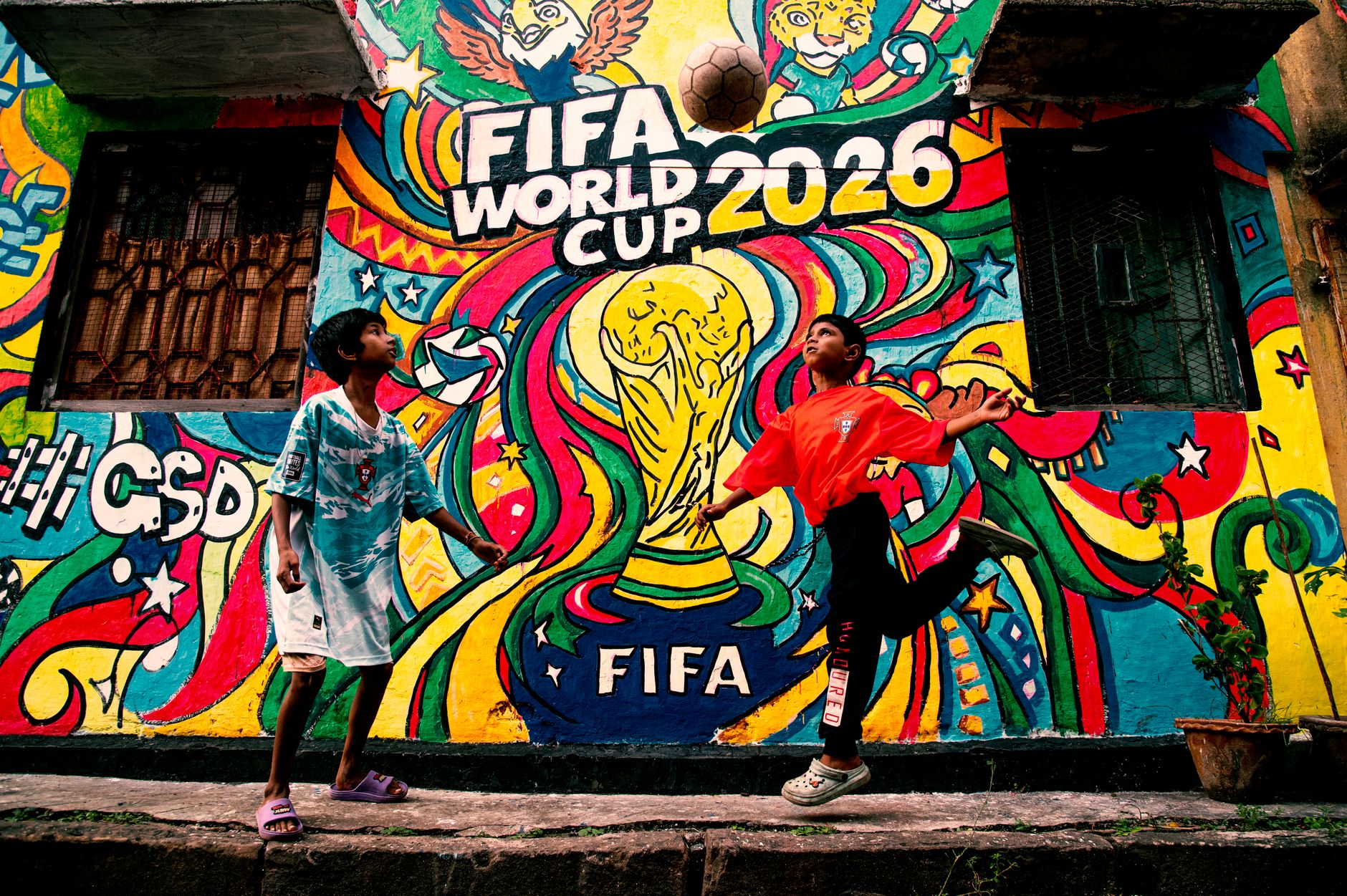
The 2022 World Cup in Qatar generated record revenues exceeding seven billion dollars, demonstrating the tournament's continued commercial appeal. With the 2026 World Cup expanding to 48 teams across North America, revenue projections suggest even greater earnings potential.
What This Means for Football's Future
Infantino's decision to scrap the private equity plan suggests FIFA will continue with its traditional self-funding model. The organization will likely focus on maximizing revenues through conventional means: negotiating lucrative broadcasting deals, expanding commercial partnerships, and potentially adding new revenue streams through digital platforms and emerging markets.
This approach preserves FIFA's autonomy and keeps decision-making power within the football family, though it means forgoing the immediate capital injection that private equity could have provided. Member associations will need to rely on FIFA's existing distribution mechanisms for development funding rather than hoping for windfall payments from investor buyouts.
The episode highlights the ongoing tension in modern sports between preserving traditional governance structures and embracing contemporary financial engineering techniques that have transformed other industries.