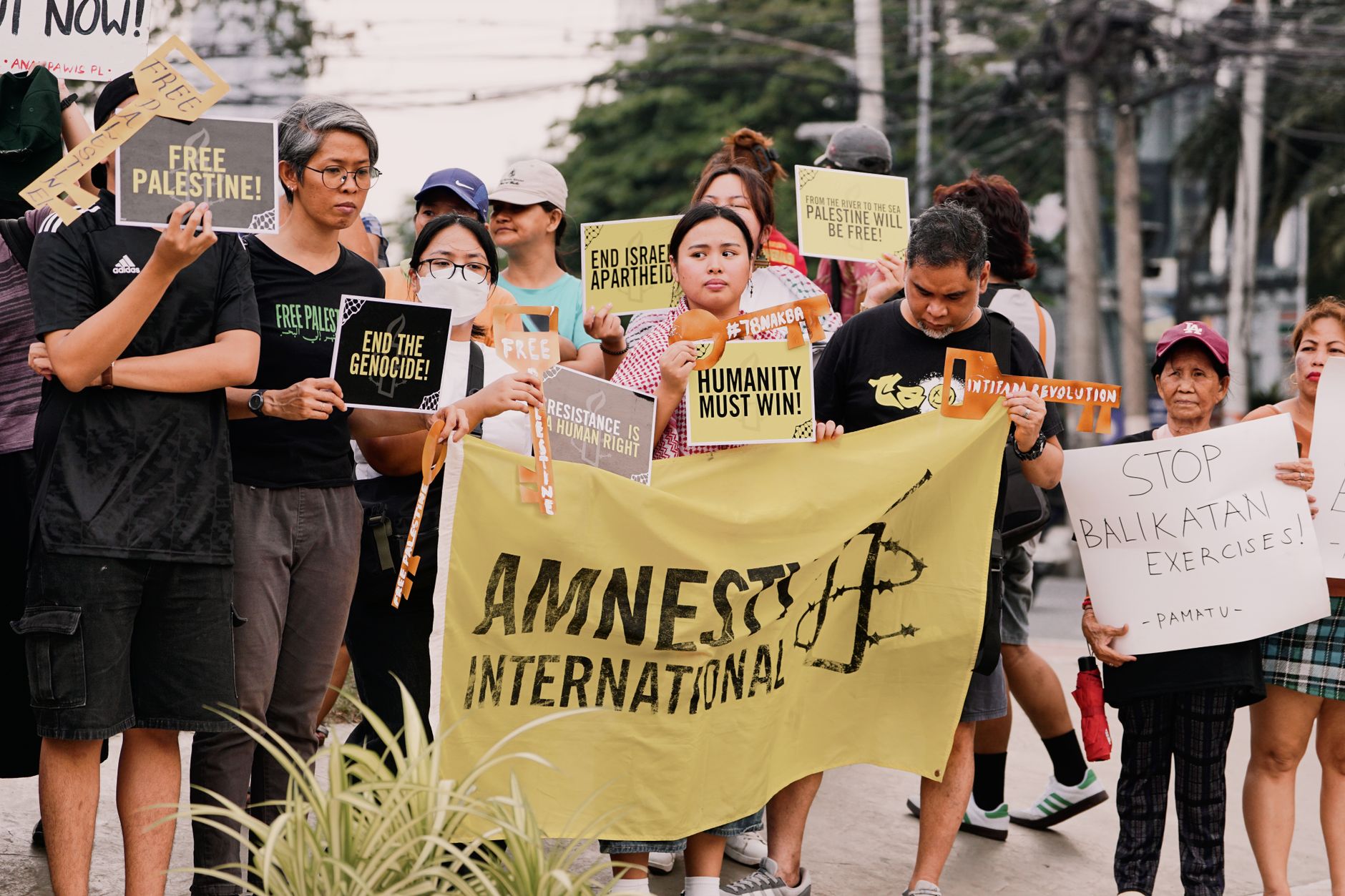
Amnesty International has issued a stark warning to governments worldwide, declaring that extreme heat driven by climate change now constitutes a fundamental human rights emergency. The pronouncement comes as record-breaking temperatures continue to devastate communities across continents, disproportionately affecting the world's most vulnerable populations.
The Human Rights Dimension of Extreme Heat
The classification of extreme heat as a human rights issue marks a significant shift in how the international community addresses climate impacts. Amnesty's position centers on the argument that governments have a legal obligation to protect their citizens from preventable heat-related deaths and suffering.
The organization emphasizes that extreme heat threatens multiple fundamental rights, including the right to life, health, water, food, housing, and safe working conditions. When temperatures soar beyond human tolerance levels, these rights become impossible to exercise, particularly for those without access to cooling infrastructure or the ability to avoid outdoor exposure.
Who Bears the Heaviest Burden
The human rights framework is particularly relevant because extreme heat does not affect all populations equally. Low-income communities, outdoor workers, elderly individuals, children, pregnant women, and people with pre-existing health conditions face disproportionate risks during heat waves.
In many developing nations, including several regions across India and Southeast Asia, millions of people lack access to air conditioning, reliable electricity, or even adequate shelter. Agricultural workers and construction laborers must often continue working in life-threatening conditions or risk losing their livelihoods.
Urban poor living in informal settlements with metal roofing and inadequate ventilation experience indoor temperatures that can exceed outdoor readings. Meanwhile, rural communities dependent on agriculture watch crops fail and water sources evaporate, threatening food security and survival.
The Scientific Evidence
Climate scientists have documented a clear acceleration in extreme heat events globally. What were once considered exceptional heat waves now occur with increasing frequency and intensity. Multiple studies confirm that human-caused climate change has made extreme heat events more likely and more severe.
The past decade has witnessed numerous deadly heat waves across Europe, North America, South Asia, and Australia. In 2023 and 2024, temperature records were shattered across multiple continents, with some regions experiencing prolonged periods above 40-45 degrees Celsius.
Heat-related mortality has risen sharply, though exact figures remain difficult to track because heat deaths are often attributed to secondary causes like heart failure or dehydration rather than temperature exposure itself.
Government Obligations and Failures
Amnesty International's declaration carries weight because it shifts responsibility directly onto governments. Under international human rights law, states have obligations to protect populations from foreseeable threats to life and health.
The organization argues that many governments are failing these obligations by:
- Inadequately preparing for predictable heat waves
- Failing to warn vulnerable populations in time
- Not providing cooling centers or emergency services
- Allowing outdoor work to continue in dangerous conditions
- Neglecting to invest in heat-resilient infrastructure
- Refusing to implement meaningful emissions reductions
Demanded Actions
Amnesty International is calling for comprehensive government responses that include both immediate protective measures and long-term climate action. Emergency measures should include early warning systems, accessible cooling centers, workplace protections, and targeted assistance for vulnerable groups.
Longer-term demands focus on climate mitigation and adaptation. Governments must accelerate transitions away from fossil fuels, invest in green infrastructure, redesign cities to reduce urban heat islands, and ensure equitable access to cooling technologies.
The organization also emphasizes the need for international cooperation, particularly financial and technical support from wealthy nations to help developing countries adapt to extreme heat.
The Indian Context
For India, these warnings carry particular significance. The subcontinent has experienced devastating heat waves in recent years, with temperatures in some regions exceeding survivable limits. Major cities like Delhi have recorded temperatures above 49 degrees Celsius, while rural areas face combined threats of heat and drought.
India's large outdoor workforce, including hundreds of millions of agricultural laborers and construction workers, remains highly exposed. Many Indian states have implemented heat action plans, but implementation gaps and resource constraints limit their effectiveness.
Looking Forward
By framing extreme heat as a human rights emergency, Amnesty International aims to create legal and moral pressure for government action. This approach could open avenues for legal challenges and international accountability mechanisms when governments fail to protect their populations.
As global temperatures continue rising, the extreme heat crisis will likely intensify, making urgent action increasingly critical for protecting human rights and preserving human life across the planet.