Oil markets worldwide are responding to heightened geopolitical risks as tensions between Iran and the United States create uncertainty about future crude supplies. This development has pushed benchmark oil prices higher, affecting economies globally and raising questions about energy security in the months ahead.
Understanding the Current Price Movement
Crude oil prices have demonstrated volatility in response to diplomatic and military developments in the Middle East. When tensions escalate between major powers in oil-rich regions, markets typically factor in a "risk premium" – an additional cost that reflects the possibility of supply disruptions. The current situation follows this familiar pattern, with traders and investors adjusting positions to account for potential instability.
Brent crude and West Texas Intermediate (WTI), the two primary global oil benchmarks, often move in tandem during geopolitical crises. These price increases affect everything from transportation costs to manufacturing expenses, ultimately influencing inflation rates across economies.
The Strategic Importance of the Strait of Hormuz
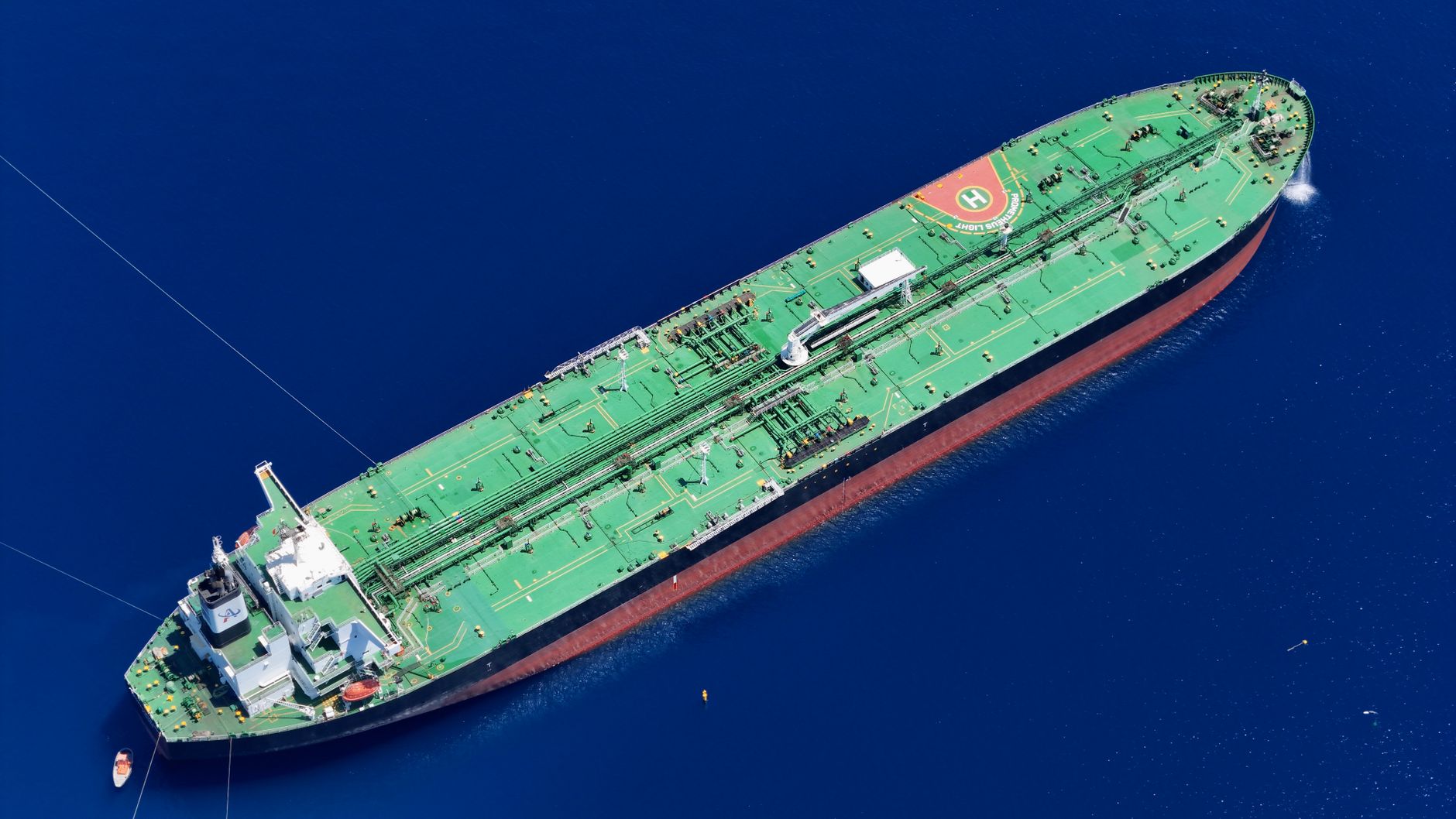
The Iran-US relationship is particularly significant for global oil markets because of geography. Approximately one-fifth of the world's petroleum passes through the Strait of Hormuz, a narrow waterway between Iran and the Arabian Peninsula. Any disruption to shipping in this critical chokepoint could immediately constrain global supply and send prices soaring.
Iran has historically suggested it could restrict access to the strait during periods of high tension, though such action would also harm its own economic interests. Nevertheless, the mere possibility of such disruption is sufficient to elevate market prices.
Impact on India and Emerging Markets
For India, rising crude oil prices present particular challenges. As one of the world's largest oil importers, India purchases roughly 85 percent of its petroleum needs from international markets. Higher oil prices directly impact:
- The government's fiscal deficit through increased subsidy burdens
- The current account balance as import bills rise
- Inflation rates, particularly affecting transportation and food prices
- The Indian rupee's exchange rate against major currencies
Indian consumers typically feel the effects through higher fuel prices at the pump, increased costs for goods transportation, and elevated prices for petroleum-based products including plastics and chemicals.
Global Economic Implications
Beyond immediate price increases, sustained oil market volatility creates planning challenges for businesses and governments. Airlines struggle to hedge fuel costs, manufacturing companies face unpredictable input expenses, and central banks must balance inflation concerns against economic growth objectives.
Emerging economies are often hit hardest by oil price shocks. Unlike developed nations with more diversified energy sources or strategic petroleum reserves, many developing countries have limited buffers against sudden price increases.
OPEC's Role and Production Decisions
The Organization of the Petroleum Exporting Countries (OPEC) and its allies, collectively known as OPEC+, monitor geopolitical developments closely when setting production quotas. During periods of market uncertainty, the group may choose to increase production to stabilize prices, or maintain current levels if they believe prices will correct naturally.
Saudi Arabia, as OPEC's largest producer, typically plays a stabilizing role during crises. However, the kingdom must balance its relationships with both the United States and Iran while protecting its own economic interests.
Alternative Energy and Long-term Trends
Recurring oil price volatility reinforces arguments for accelerating transitions to renewable energy sources. Countries heavily dependent on imported petroleum face ongoing economic vulnerability to events beyond their control. India's ambitious solar energy expansion and electric vehicle promotion programs partly aim to reduce this dependency.
However, the global economy remains substantially reliant on crude oil for transportation, manufacturing, and chemicals production. Complete transition will require decades, meaning geopolitical events in oil-producing regions will continue affecting markets for the foreseeable future.
What Analysts Are Watching
Market observers are monitoring several factors that could either escalate or ease current tensions:
- Diplomatic communications between Washington and Tehran
- Military movements in the Persian Gulf region
- Statements from other major oil producers about potential production changes
- Global economic growth indicators that affect overall oil demand
- Weather patterns that might impact refining capacity or transportation routes
The coming weeks will likely see continued price fluctuations as markets digest news and assess the actual risk of supply disruptions versus speculative concerns.
This article provides general information about oil market dynamics and geopolitical factors. Readers should consult qualified financial advisors before making investment decisions based on commodity price movements or geopolitical developments.