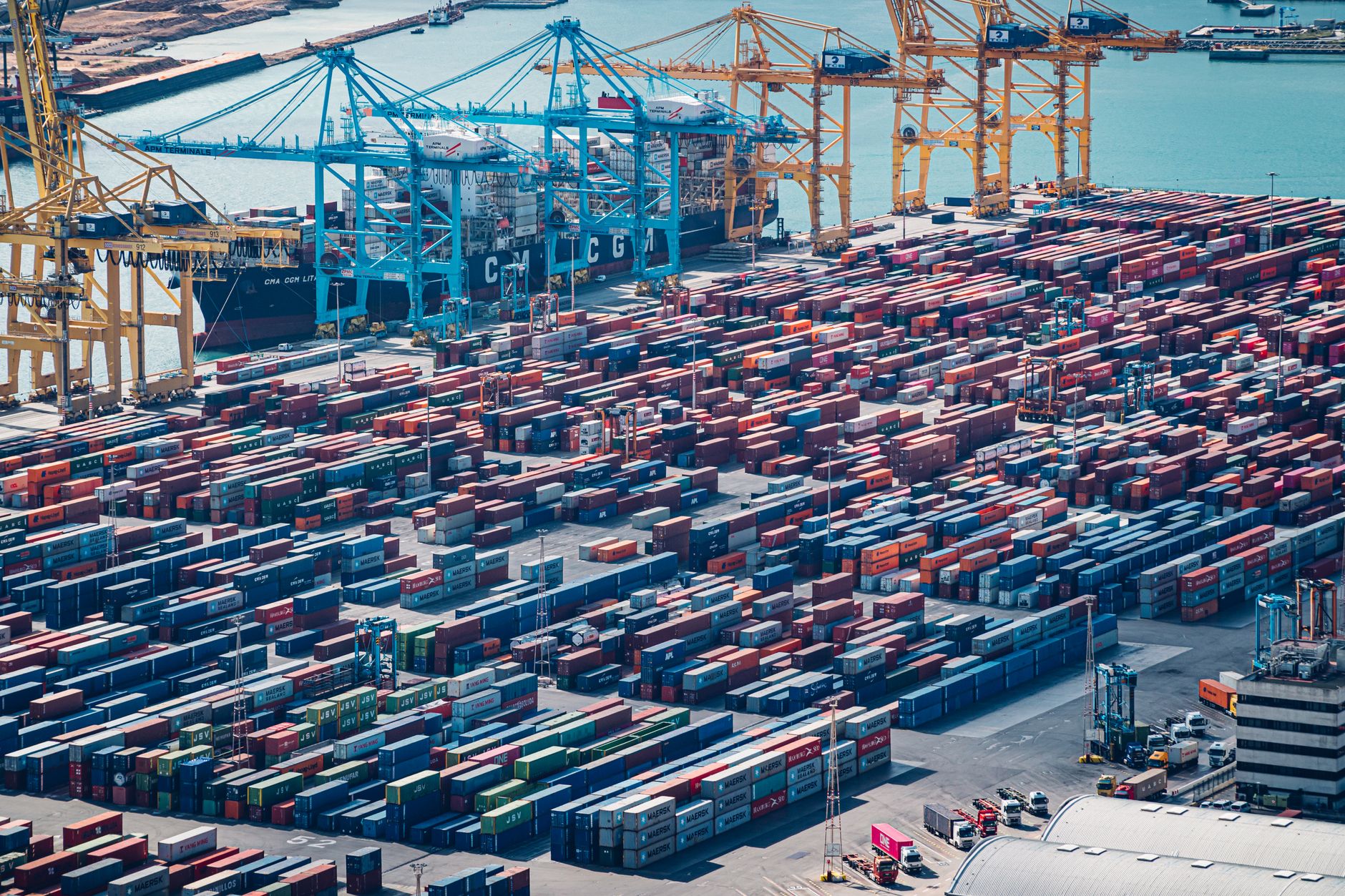
China has made clear that certain aspects of its economic framework are off the table as it prepares for crucial trade negotiations with the European Union and the United States. This development marks a significant moment in global trade relations, as the world's second-largest economy seeks to protect its unique blend of market mechanisms and state intervention while engaging with Western trading partners demanding structural reforms.
Understanding China's Economic Red Lines
Beijing's decision to establish clear boundaries reflects growing pressure from both Washington and Brussels to address what they consider unfair trade practices. The red lines typically encompass several core elements of China's economic model, including the role of state-owned enterprises, industrial subsidies, and government influence in key strategic sectors.
China's economic system has long been characterized by what officials call "socialism with Chinese characteristics," which allows for market competition while maintaining significant state control over critical industries. This hybrid approach has enabled China to achieve remarkable economic growth over the past four decades, lifting hundreds of millions out of poverty while building global manufacturing dominance.
Why Western Powers Want Changes
The United States and European Union have repeatedly raised concerns about what they view as an uneven playing field in international trade. Their main grievances include:
- State subsidies that give Chinese companies advantages in global markets
- Preferential treatment for domestic firms in government procurement
- Forced technology transfers required from foreign companies operating in China
- Intellectual property protections they consider inadequate
- Market access restrictions preventing foreign firms from competing fairly
These issues have fueled trade tensions for years, with the United States imposing tariffs on hundreds of billions of dollars worth of Chinese goods and the EU considering similar protective measures.
The Strategic Importance of Timing
China's decision to articulate its red lines ahead of formal negotiations represents a calculated diplomatic move. By establishing clear positions early, Chinese negotiators aim to manage expectations and prevent discussions from veering into areas Beijing considers sovereignty issues rather than trade matters.
The timing also reflects China's current economic challenges. With slower growth, a troubled property sector, and weak consumer confidence at home, Chinese leaders are balancing the need to maintain international trade relationships against domestic political pressures to preserve the economic model they credit with the nation's transformation.
Impact on Global Trade Relations
The establishment of these boundaries could significantly shape the outcome of upcoming talks. If Western nations push for changes that cross China's red lines, negotiations could stall or result in limited agreements that fail to address fundamental tensions.
For businesses operating globally, this standoff creates uncertainty. Multinational corporations with operations in China may face continued regulatory complexity, while exporters could encounter ongoing trade barriers and retaliatory measures.
What Lies Ahead for Negotiations
Despite the firm stance, complete breakdown in talks remains unlikely. All parties have strong economic incentives to maintain stable trade relationships. China remains a crucial manufacturing hub and consumer market, while Chinese companies depend on access to Western technology and markets.
Potential areas for compromise might include:
- Enhanced transparency in subsidy programs without eliminating them entirely
- Improved intellectual property enforcement mechanisms
- Limited market access improvements in specific sectors
- Dispute resolution procedures that respect both sides' concerns
The Broader Economic Context
China's assertiveness on economic sovereignty occurs against a backdrop of increasing geopolitical competition. As technological rivalry intensifies, particularly in semiconductors, artificial intelligence, and clean energy, economic policies have become intertwined with national security considerations on all sides.
The outcome of these negotiations will likely influence global trade architecture for years to come. Other emerging economies are watching closely, as the precedents set could affect how they balance economic development strategies with international trade obligations.
Looking Forward
As trade talks approach, the challenge for negotiators will be finding middle ground that allows commercial relationships to continue while addressing legitimate concerns from all parties. China's red lines make clear that transforming its economic system is not on the agenda, meaning Western powers must decide whether incremental progress is sufficient or whether broader strategic decoupling remains their preference.
The decisions made in these negotiations will affect not just bilateral trade flows but also supply chain stability, technology development, and the future shape of international economic governance. For businesses and investors worldwide, understanding these dynamics is crucial for planning in an increasingly complex global economy.