Canada's economy has demonstrated resilience in recent months, with multiple indicators pointing toward sustained growth that has captured the attention of international investors and policymakers. As one of the world's major advanced economies and a key trading partner for numerous nations, Canada's economic health has significant implications for global markets.
Key Drivers Behind Canada's Economic Strength
Several factors are contributing to Canada's improving economic outlook. The labor market has remained robust, with unemployment rates holding near historic lows and wage growth accelerating across multiple sectors. This employment strength has translated into increased consumer confidence and spending, which accounts for a substantial portion of Canada's gross domestic product.
The country's resource sector has also benefited from stabilizing commodity prices. As a major exporter of oil, natural gas, minerals, and agricultural products, Canada's economic fortunes are closely tied to global commodity markets. Recent price stability in energy and metals has provided a solid foundation for growth, particularly in provinces like Alberta, Saskatchewan, and British Columbia where resource extraction plays a major economic role.
Impact on the Canadian Dollar
Currency markets have responded positively to Canada's strengthening economy. The Canadian dollar, often referred to as the "loonie," has shown appreciation against several major currencies as investors reassess the country's growth prospects. A stronger currency can have mixed effects on the economy—while it increases purchasing power for Canadian consumers and businesses importing goods, it can make Canadian exports more expensive for foreign buyers.
The Bank of Canada's monetary policy decisions have also played a crucial role. Central bank officials must balance supporting economic growth with managing inflation pressures, and their interest rate decisions influence both domestic economic activity and international capital flows.
Implications for Global Trading Partners
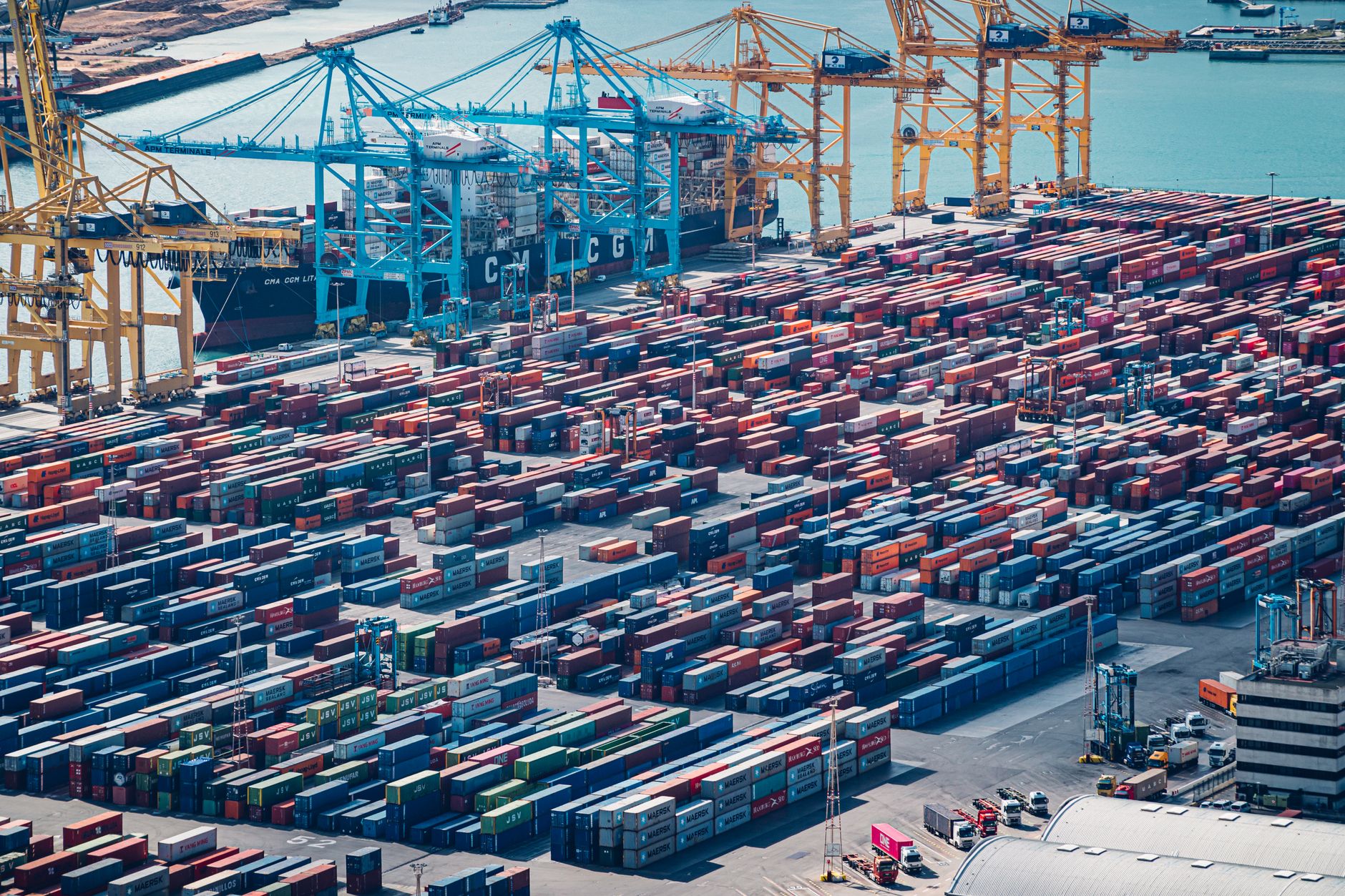
Canada's economic performance has direct consequences for its major trading partners, particularly the United States, which accounts for approximately 75 percent of Canadian exports. Stronger Canadian growth typically means increased demand for imported goods and services, benefiting exporters in the United States, Europe, and Asia.
The United States-Mexico-Canada Agreement (USMCA), which replaced NAFTA, continues to facilitate integrated supply chains across North America. When Canada's economy strengthens, it often signals positive momentum for the entire North American economic bloc, as manufacturing, agriculture, and services sectors are deeply interconnected across borders.
Sector-Specific Performance
Different sectors of the Canadian economy have contributed unevenly to recent growth. The technology sector, particularly in hubs like Toronto, Vancouver, and Montreal, has shown impressive expansion. Financial services, which represent a significant component of Canada's GDP, have remained stable despite global banking sector concerns earlier in the year.
The agricultural sector, particularly important in prairie provinces, has benefited from strong global demand for Canadian wheat, canola, and other crops. This performance is especially noteworthy given ongoing challenges related to climate variability and changing global trade patterns.
Real estate markets have shown signs of stabilization after a period of cooling, though regional variations remain significant. Housing affordability continues to be a concern in major metropolitan areas, even as transaction volumes and prices have moderated from previous peaks.
Investment Opportunities and Risks
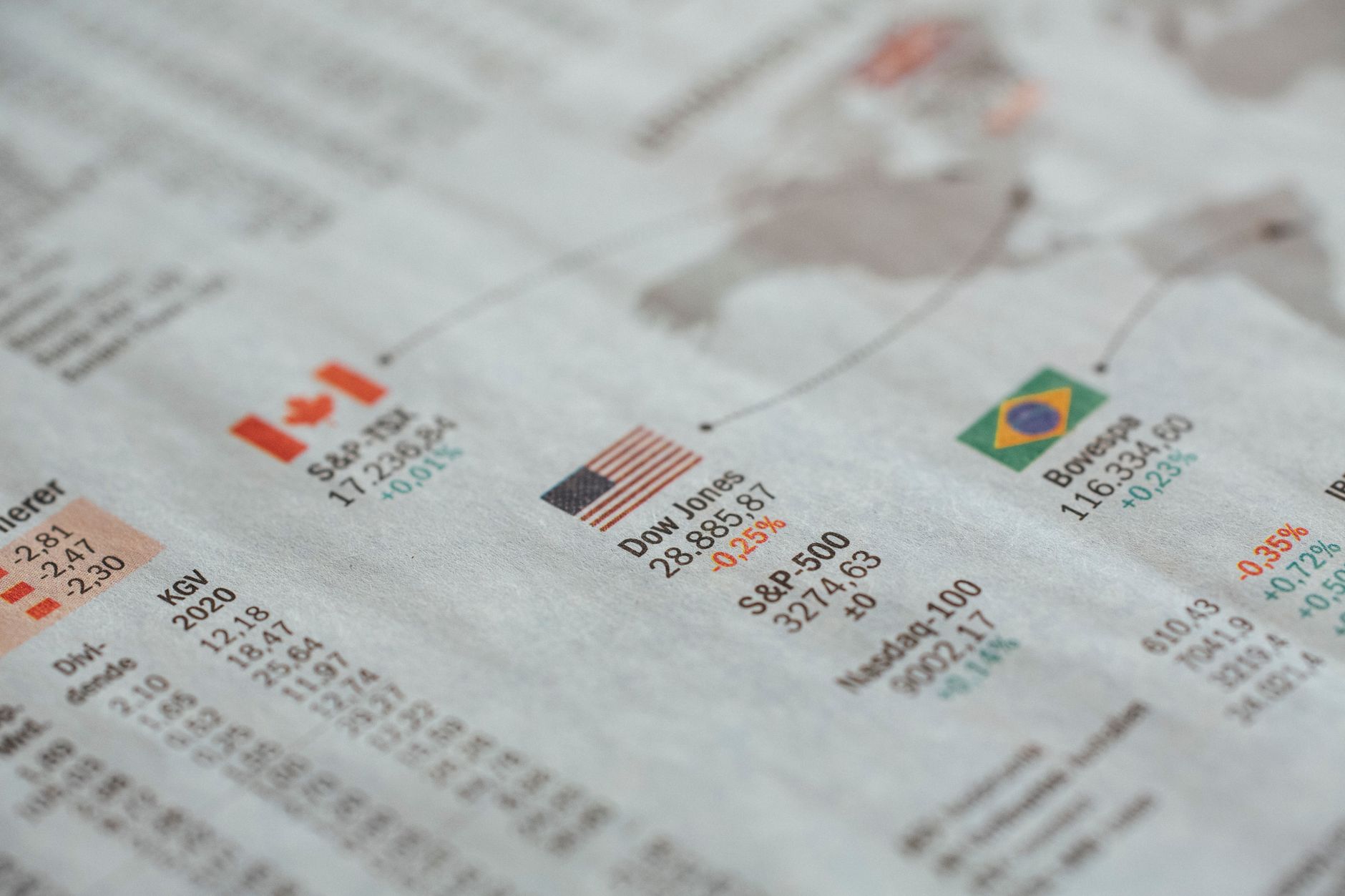
For international investors, Canada's strengthening economy presents several potential opportunities. The country's stable political environment, strong regulatory framework, and diverse economy make it an attractive destination for foreign capital. Equity markets have responded positively, with the Toronto Stock Exchange showing gains across multiple sectors.
However, investors should remain mindful of potential headwinds. Global economic uncertainty, potential trade disruptions, and the ongoing transition toward lower-carbon energy sources could affect different sectors of the Canadian economy in varying ways. Additionally, household debt levels in Canada remain elevated by historical standards, which could constrain future growth if economic conditions deteriorate.
Looking Ahead
Canada's economic trajectory will depend on numerous factors, including global growth rates, commodity price movements, immigration policies that affect labor supply, and domestic policy decisions regarding infrastructure investment and climate change mitigation. The country's ability to maintain economic momentum while addressing structural challenges will be crucial for sustained prosperity.
This article is for general informational purposes only and should not be considered investment advice. Economic conditions can change rapidly, and readers should consult with qualified financial professionals before making investment decisions based on macroeconomic trends.