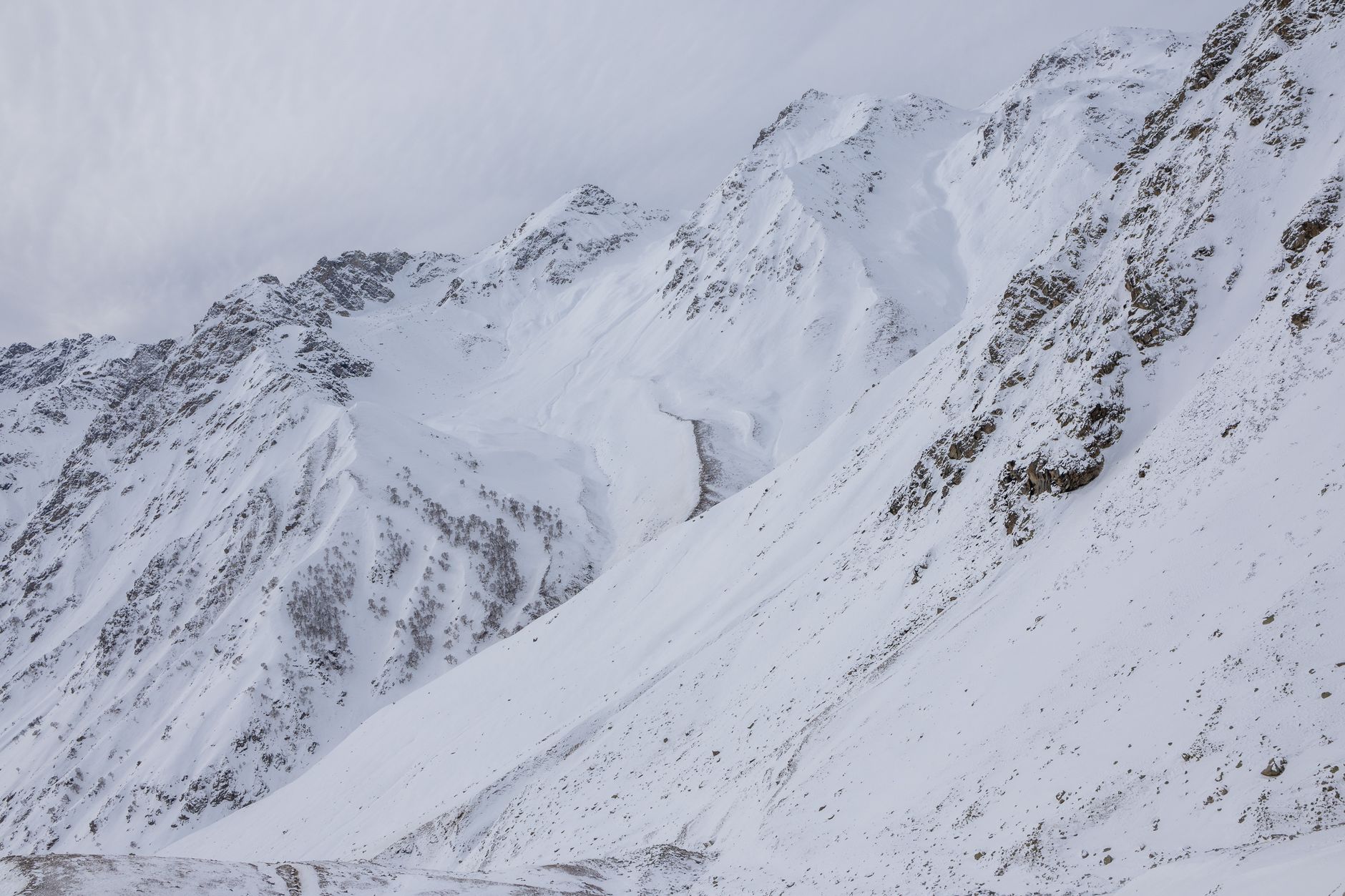
The international mountaineering community is mourning the loss of one of its most celebrated figures after rescue operations in Pakistan confirmed the recovery of bodies following a catastrophic avalanche. Nirmal Purja, the Nepalese climber who gained worldwide fame for his record-breaking achievements in high-altitude mountaineering, was among four climbers whose bodies were found in the aftermath of the natural disaster.
The Incident
The avalanche struck in one of Pakistan's treacherous mountain regions, known for both their stunning beauty and extreme danger. Pakistan is home to five of the world's fourteen peaks above 8,000 meters, including K2, the second-highest mountain on Earth and one of the most technically challenging climbs in the world. These peaks attract elite climbers from around the globe, but they also present some of the most hazardous conditions imaginable, with unpredictable weather, avalanches, and crevasses posing constant threats.
Rescue teams faced extremely difficult conditions while attempting to locate and recover the climbers. High-altitude rescue operations in such terrain require specialized equipment, experienced personnel, and often depend heavily on weather windows that allow helicopters to operate safely.
Nirmal Purja's Legacy
Nirmal Purja, affectionately known as "Nims" or "Nimsdai" in the climbing community, was a former Gurkha soldier and Special Boat Service member who transitioned into professional mountaineering. He achieved international recognition in 2019 when he completed "Project Possible," an audacious endeavor to climb all fourteen of the world's 8,000-meter peaks in just six months and six days. This shattered the previous record of nearly eight years.
His achievement was documented in the Netflix film "14 Peaks: Nothing Is Impossible," which brought his story to millions of viewers worldwide and inspired a new generation of climbers. Beyond his athletic accomplishments, Purja was known for his infectious positivity, his commitment to supporting fellow climbers on the mountain, and his efforts to showcase the contributions of Nepalese climbers to high-altitude mountaineering.
The Risks of High-Altitude Climbing
This tragedy underscores the inherent dangers of mountaineering at extreme altitudes, particularly in Pakistan's Karakoram range. Even the most experienced and physically capable climbers face risks that can prove fatal, regardless of their skill level or preparation.
Avalanches represent one of the most unpredictable and deadly hazards in mountain environments. They can be triggered by various factors including:
- New snowfall adding weight to existing snowpack
- Temperature fluctuations causing ice and snow instability
- Seismic activity
- The movement of climbers themselves
Winter expeditions, which have become increasingly popular among elite climbers seeking new challenges, carry additional risks due to more severe weather conditions, shorter daylight hours, and colder temperatures that can make rescue operations even more complex.
Impact on the Climbing Community
The loss of Purja and his companions represents a significant blow to the global mountaineering community. Purja was not only an exceptional athlete but also a mentor and supporter of other climbers, particularly those from Nepal. He frequently used his platform to advocate for better recognition and compensation for Sherpa climbers and other mountain workers who make high-altitude expeditions possible.
His death serves as a sobering reminder that mountaineering, despite advances in equipment, weather forecasting, and safety protocols, remains one of the most dangerous pursuits in the world. Each season, mountains around the world claim the lives of experienced climbers, guides, and porters.
Remembering the Fallen
As rescue operations conclude and the climbing community processes this loss, tributes have poured in from around the world. Fellow mountaineers, fans, and organizations have shared memories of Purja's accomplishments, his generous spirit, and his contributions to the sport.
The tragedy also brings attention to the three other climbers who lost their lives in the avalanche. While they may not have achieved the same level of international recognition, their loss is equally devastating to their families, friends, and communities.
This incident will likely prompt renewed discussions about safety protocols, the ethics of high-risk climbing pursuits, and the balance between human ambition and the overwhelming power of nature. For now, the mountaineering world pauses to honor those who pursued their passion at the highest peaks of the world and paid the ultimate price.